
Size
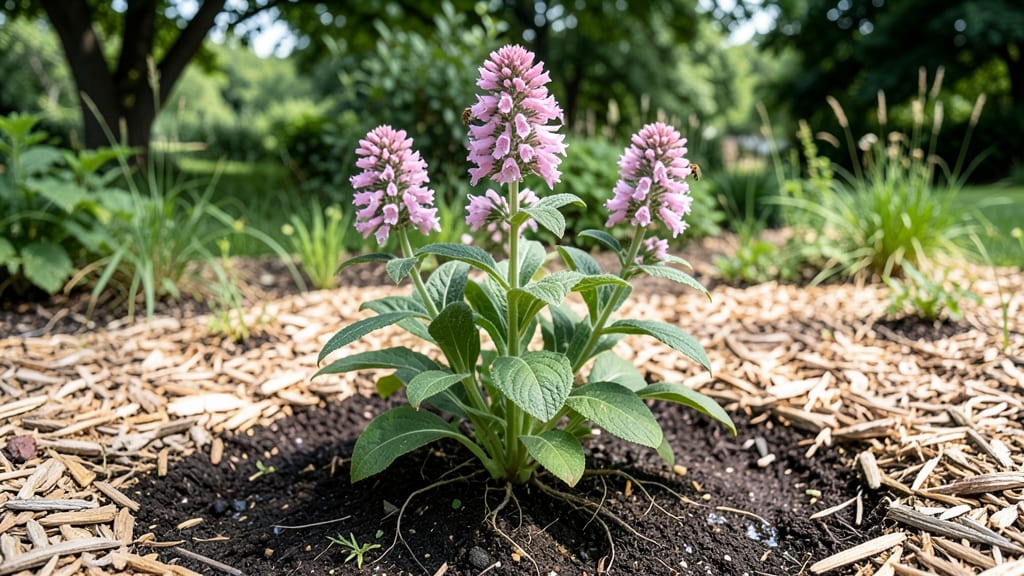
Tall part sun perennials are the secret weapon for adding drama to shady spots without the fuss of constant maintenance. 🌿 I’ve designed my backyard with these plants as the backbone—towering over other perennials while requiring just 3-6 hours of sunlight daily.
They thrive where sun-loving plants would struggle, offering height, texture, and seasonal color shifts that keep the garden interesting year-round.
The best part? These plants handle humidity and less-than-perfect soil like champions. Think 6-8 feet of vertical interest with minimal staking—perfect for back borders, focal points, or layered plantings where you need structure without the upkeep.
My go-to picks include Joe Pye weed (with its bold pink blooms and pollinator magnet appeal) and giant hyssop (a late-summer purple powerhouse that hummingbirds adore).
By mid-summer, your garden will feel like a lush, textured tapestry—tall stems swaying in the breeze, foliage rustling with hidden depth, and blooms that last from early summer into fall. These perennials also bring winter interest with seed heads or architectural stems, so the show never truly ends.
The key is pairing them with shorter, shade-tolerant plants to create that perfect layered look.
Whether you’re filling a shady corner or softening a fence line, these perennials deliver effortless elegance. Start with just one or two as statement pieces, then expand as you fall in love with their resilience. Your garden’s vertical space will thank you—and so will your back!
📚 In This Guide
- What you need
- Instructions
- Tips and common mistakes
- Wrapping up and next steps
What you need
- ● Tall part-sun perennials: Choose 3–5 varieties (e.g., Joe Pye Weed, Black-Eyed Susan, Coneflower, or Russian Sage) for height and texture contrast. Aim for 3–5 plants per 5 sq ft for full coverage.
- ● Well-draining soil: 1–2 cubic yards of garden soil mixed with compost (ratio: 3 parts soil, 1 part compost) to enrich nutrients.
- ● Mulch: 2–3 bags of organic mulch (shredded bark or straw) (1–2 inches deep) to retain moisture and suppress weeds.
- ● Watering can or hose: A 5-gallon capacity for deep watering (1–1.5 inches per week, including rain).
- ● Garden gloves & kneeling pad: For comfortable planting and maintenance.
- ● Hand trowel or transplant spade: For digging holes (6–12 inches deep, depending on root ball size).
- ● Pruning shears: Sharp, bypass-style for clean cuts (sterilize with rubbing alcohol between plants).
- ● Measuring tape: To space plants 18–36 inches apart (check plant tags for specifics).
- ○ Optional: Soil pH tester (aim for 6.0–7.0 for most perennials).
- ● Slow-release fertilizer (e.g., 10-10-10 or compost tea).
- ● Stakes or garden twine (for tall, floppy varieties like Joe Pye Weed).
- ● Sunlight assessment: Identify a spot with 3–6 hours of direct sun daily (morning sun + afternoon shade works best).
- ● Drainage check: Ensure no standing water after rain (amend heavy clay soil with sand if needed).
- ● Planting timeline: Spring (after last frost) or early fall for best root establishment.
How to design a stunning tall part-sun perennial garden
Here’s how I create bold, low-maintenance vertical interest that thrives in partial shade.
🌿 Step 1: Select the Right Tall Perennials for Your Space
Choose 4-6 varieties that reach 4-6 feet tall but tolerate 3-6 hours of sun daily. My top picks: Joe Pye weed (Eutrochium purpureum), culver’s root (Veronicastrum virginicum), giant fleece flower (Persicaria polymorpha), and bloom spike (Ptilimusa)—all drought-tolerant once established. Avoid overcrowding; space plants 2-3 feet apart to prevent competition.
Dig holes twice as wide as the root ball but only as deep as the container’s base. This encourages roots to spread horizontally, stabilizing tall stems. Amend heavy clay soil with 2-3 inches of compost to improve drainage—root rot is the #1 killer of tall perennials in part shade.
☀️ Step 2: Position for Maximum Impact and Light Balance
Plant tallest varieties at the back or north side of the bed to avoid shading shorter plants. I place Joe Pye weed (6+ feet) at the center, flanked by culver’s root (5 feet) and giant fleece flower (4 feet) to create a layered effect. Use stakes or rings for the first year to support stems before roots establish.
Monitor light exposure weekly. If leaves yellow between June and August, your plants are getting too much direct sun—prune nearby trees or add a 30% shade cloth temporarily. The goal is dappled light, not deep shade.
💧 Step 3: Water Deeply and Mulch for Long-Term Stability
Water once per week for the first 6-8 weeks, soaking 12-18 inches deep each time. Tall perennials develop deep taproots, so surface watering encourages shallow, weak roots. Use a soaker hose to avoid wetting foliage, which reduces fungal risks like powdery mildew.
Apply 3-4 inches of mulch (shredded bark or wood chips) around the base, keeping it 6 inches away from stems to prevent rot. Mulch retains moisture, regulates soil temperature, and suppresses weeds—critical for tall plants that can topple in windy conditions.
✂️ Step 4: Prune Strategically for Year-Round Interest
Cut back spent blooms in early fall, but leave 3-4 inches of stems to protect overwintering buds. In late winter, trim back one-third of the previous year’s growth to encourage fresh, vigorous shoots. Avoid heavy pruning in spring—tall perennials rely on stored energy from old stems.
Divide clumps every 3-4 years in early spring. Dig up the entire plant, separate into 3-5 inch sections, and replant immediately. This rejuvenates growth and prevents the center from dying out. I label divisions by year to track performance.
🪴 Step 5: Support and Protect for Longevity
Install hidden stakes or rings in the first year to prevent flopping. Bury stakes 6-8 inches deep and tie stems loosely with soft plant ties—too-tight ties strangle stems as they grow. For windy sites, add horizontal cables between stakes for extra support.
Fertilize lightly in early spring with a balanced 10-10-10 formula. Tall perennials in part shade rarely need extra nutrients, but a slow-release granule ensures steady growth without leaf burn. Avoid high-nitrogen fertilizers—they produce lush foliage at the expense of flowers.
Tips & tricks for stunning tall part-sun perennial gardens
These game-changing strategies will transform your garden into a year-round vertical masterpiece with minimal effort.
Plant Placement for Maximum Impact: In Step 2, when positioning your tallest varieties like Joe Pye weed at the back, consider adding a third tier with shorter perennials like black-eyed Susans (3 feet) in front. This creates a dramatic cascading effect while ensuring all plants receive their required 3-6 hours of sun. The key is to stagger heights by 1-2 feet between each layer for visual depth.
Soil Prep Secret: Before planting in Step 1, mix 1 cup of bone meal into the bottom of each hole—this provides phosphorus for strong root development. For heavy clay soils, add 1 part perlite to 3 parts compost when amending. This improves drainage while maintaining moisture retention, which is critical for those deep taproots developing during the first 6-8 weeks of watering.
Pruning Precision: When you're cutting back spent blooms in Step 4, use sharp pruners to make clean cuts at a 45-degree angle just above a leaf node. This encourages new growth from the exact spot you cut. For late winter pruning, focus on removing only the outermost third of each stem—this preserves the plant's energy reserves while still promoting fresh shoots. The 3-4 inch stem remnants you leave provide perfect protection for overwintering buds.
Support System Upgrade: For wind-prone areas mentioned in Step 5, install three stakes per plant in a triangular formation rather than just one. Use flexible plant ties that can stretch as stems grow, and check them monthly to prevent constriction. I've found that adding one horizontal cable between the top stakes creates a "safety net" that prevents flopping even in 20+ mph winds—something I learned the hard way after watching my first garden collapse during a summer storm.
Pro Tips for Tall Part Sun Perennials
- These game-changing strategies will transform your garden into a year-round vertical masterpiece with minimal effort.
- Plant Placement for Maximum Impact: In Step 2, when positioning your tallest varieties like Joe Pye weed at the back, consider adding a third tier with shorter perennials like black-eyed Susans (3 feet) in front.
- Soil Prep Secret: Before planting in Step 1, mix 1 cup of bone meal into the bottom of each hole—this provides phosphorus for strong root development.
Frequently asked questions
Got questions about adding tall part-sun perennials to your garden? You’re not alone!
Here are some of the most common queries—and their straightforward answers—to help you grow with confidence.
What’s the best way to prepare my soil for tall part-sun perennials?
These plants thrive in well-draining, slightly acidic to neutral soil (pH 6.0–7.5). Amend heavy clay with compost or sand, and ensure the area gets at least 4–6 hours of indirect sunlight daily. A slow-release fertilizer at planting time gives them a strong start!
When is the ideal time to plant tall part-sun perennials?
Plant in early spring or early fall when soil is workable but not frozen. Avoid summer heatwaves—root establishment is key! If transplanting mature plants, water deeply before and after to reduce shock. Pro tip: Mulch after planting to retain moisture.
Can tall part-sun perennials handle full sun? What if my yard gets too much direct light?
Most tall part-sun perennials (like Hosta or Astilbe) prefer morning sun + afternoon shade. If your yard is full sun, opt for heat-tolerant varieties (e.g., Cimicifuga) or provide dappled shade with trees/shrubs. Overly hot spots can scorch leaves!
What pests or diseases should I watch for with these plants?
Common issues include:
- Slugs/snails: Use beer traps or diatomaceous earth.
- Powdery mildew: Improve airflow and avoid overhead watering.
- Japanese beetles: Handpick or use neem oil.
Most perennials are low-maintenance, but regular inspection catches problems early. Deadhead spent blooms to encourage reblooming!
Are there low-maintenance alternatives to tall part-sun perennials?
Yes! Try:
- Heuchera (coral bells): Thrives in part shade, drought-tolerant.
- Ferns (e.g., Matteuccia struthiopteris): Lush, minimal care.
- Carex sedges: Grass-like, shade-friendly, and deer-resistant.
All three need moderate water but handle neglect better than some perennials.
Wrapping up and next steps
Ready to transform your garden into a stunning, low-maintenance masterpiece? Tall part-sun perennials are your secret weapon—offering year-round drama with minimal effort! From bold Joe Pye weed to elegant Russian sage, these plants thrive in partial sunlight while adding height, texture, and seasonal interest. 🌿✨
Your next step? Pick 2-3 favorites from this list, sketch a simple layout, and start planting! Whether you’re a beginner or a seasoned gardener, these perennials will reward you with effortless beauty for years to come. Happy gardening—your future garden will thank you! 🌸🌻