
Watering
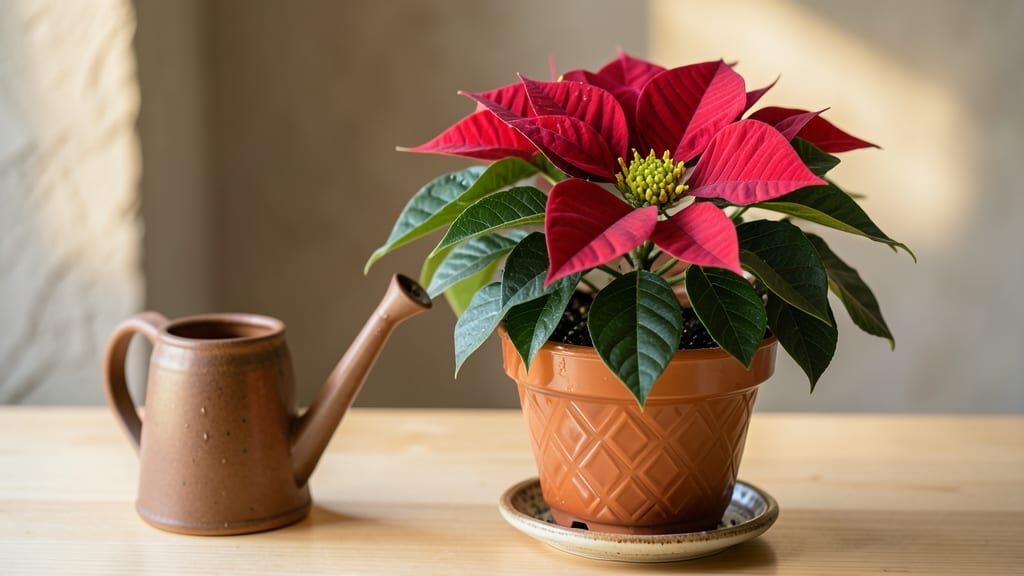
Watering a poinsettia 🎄 properly is the key to keeping its leaves vibrant and preventing those dreaded brown edges or droopy stems.
If you’ve ever watched your poinsettia’s leaves turn yellow or fall off just as the holidays approach, you’re not alone. Most gardeners overwater—or worse, underwater—without realizing it, and the results are the same: a plant that looks more sad than festive.
The truth is, poinsettias thrive on a schedule that balances moisture without drowning their roots, and it’s easier than you think.
Here’s the game-changer: a simple, science-backed routine that adjusts for the seasons, your home’s humidity, and even the type of pot you’re using. We’ll cover exactly how often to water, how to spot the signs of trouble early, and the one trick that saves struggling plants every year.
By the end, you’ll know not just when to water your poinsettia, but how to do it so it stays lush, colorful, and ready to shine through Christmas and beyond.
The ideal poinsettia watering schedule by season (with visual cues)
Poinsettias thrive on a consistent but careful watering routine that changes with seasons. Unlike outdoor plants, indoor poinsettias face stable humidity levels and controlled temperatures, making their water needs predictable once you understand the patterns.
The key is checking soil moisture before watering—never on a strict schedule, as environmental factors like heating vents or dry winter air can drastically alter needs.
Most gardeners overwater poinsettias because they assume more moisture equals healthier leaves. But soggy soil leads to root rot and yellowing foliage, while underwatering causes crispy edges and drooping stems. The solution?
Use your finger test: Insert it 1 inch into the soil. If it feels dry, water thoroughly until water runs from the drainage holes. If damp, wait 2–3 more days.
| Season | Watering Frequency | Soil Check | Environmental Notes |
|---|---|---|---|
| Spring (Mar-May) | Every 7–10 days | Top 1" dry | Increase light; reduce humidity |
| Summer (Jun-Aug) | Every 5–7 days | Top 1" dry | Higher evaporation; mist leaves |
| Fall (Sep-Nov) | Every 7–10 days | Top 1–2" dry | Critical for holiday blooms |
| Winter (Dec-Feb) | Every 10–14 days | Top 2" dry | Low light; avoid cold drafts |
In spring, poinsettias emerge from dormancy, so I increase watering slightly to support new growth. Aim for every 7–10 days, but reduce if your home has forced-air heating. Place the pot on a pebble tray with water to boost humidity without overwatering the soil.
Summer is the most demanding season for poinsettias because high temperatures and low humidity dry out soil faster. Water every 5–7 days, but check the soil daily—especially if your plant sits near a sunny window or AC vent.
A quick leaf misting in the morning can prevent leaf scorch.
Fall is when poinsettias bloom magic. Reduce watering to every 7–10 days as the plant focuses energy on flower production. Overwatering now causes bud drop. Use a moisture meter if unsure—aim for soil that’s 60% moisture at 1-inch depth.
Winter is the easiest season: water every 10–14 days. Most homes have dry air from heaters, so let the top 2 inches of soil dry out before watering. Avoid placing poinsettias near fireplaces or radiators, as the heat creates uneven moisture levels.
Watch for yellow leaves, which signal overwatering, or brown leaf edges, a sign of underwatering. Adjust your schedule based on these cues—poinsettias are forgiving if you act quickly.
For example, if leaves wilt by midweek, water immediately and place the pot in a shower stall for 10 minutes to restore humidity.
Pro tip: Use room-temperature water to avoid shocking the roots. Cold water from the tap can cause root stress, especially in winter. Always water in the morning so excess moisture evaporates by evening, reducing fungal risks.
Remember, poinsettias are tropical plants adapted to indoor living. They don’t need as much water as outdoor plants—think of them like a houseplant with high-maintenance leaves. Stick to the seasonal guide, and your poinsettia will reward you with vibrant bracts for years.
5 Common poinsettia watering mistakes that kill leaves (and how to fix them)
I’ve lost count of how many poinsettias I’ve nursed back to health after watering gone wrong. The irony? Most of these mistakes come from well-intentioned care.
Whether you’re drowning your plant in love or forgetting it entirely, watering errors are the #1 reason poinsettias shed leaves or fail to bloom. Let’s fix that.
Poinsettias thrive on consistency, not excess. Their roots need oxygen, and soggy soil suffocates them faster than dry soil wilts them. The key is checking soil moisture before watering—stick your finger an inch deep. If it’s dry, water; if damp, wait. Simple, but most of us ignore this step.
⚠️ WARNING: Root Rot is Silent
Yellowing leaves? Don’t assume it’s underwatering. Root rot from overwatering kills poinsettias in 3-5 days without visible signs above soil. Check roots—healthy ones are firm and white; rotten ones are mushy and brown. If you see this, act fast: repot in fresh soil and stop watering for 3 days.
Mistake #1: Watering on a schedule instead of by soil conditions. Poinsettias in small pots dry out faster than those in larger containers. I once had a 6-inch pot plant wilt because I watered it weekly—it needed watering every 3-4 days in summer heat. Always test soil moisture first.
Mistake #2: Letting poinsettias sit in saucers of water. This turns their roots into a science experiment. Poinsettias hate wet feet. If your pot has a saucer, empty it 10 minutes after watering. Pro tip: Use a self-watering pot with drainage holes to automate this.
Mistake #3: Ignoring seasonal changes. In winter, your poinsettia’s growth slows down, so watering needs drop by 50%**. I’ve seen gardeners drown their plants in December because they “forgot” it wasn’t summer. Reduce watering to every 10-14 days in winter unless your home is dry.
Mistake #4: Using tap water with high chlorine. If your leaves develop brown tips, it might be your water. Let tap water sit out for 24 hours before using, or switch to filtered or distilled water.
My poinsettia’s leaves went from crispy to lush after this simple swap.
Mistake #5: Reviving a poinsettia too late. If your plant is drooping and leaves are falling, don’t give up yet. First, trim dead leaves to redirect energy. Then, place it in bright indirect light and water only when the top 2 inches of soil are dry.
With patience, you can bring it back—just don’t expect instant results.