
Watering
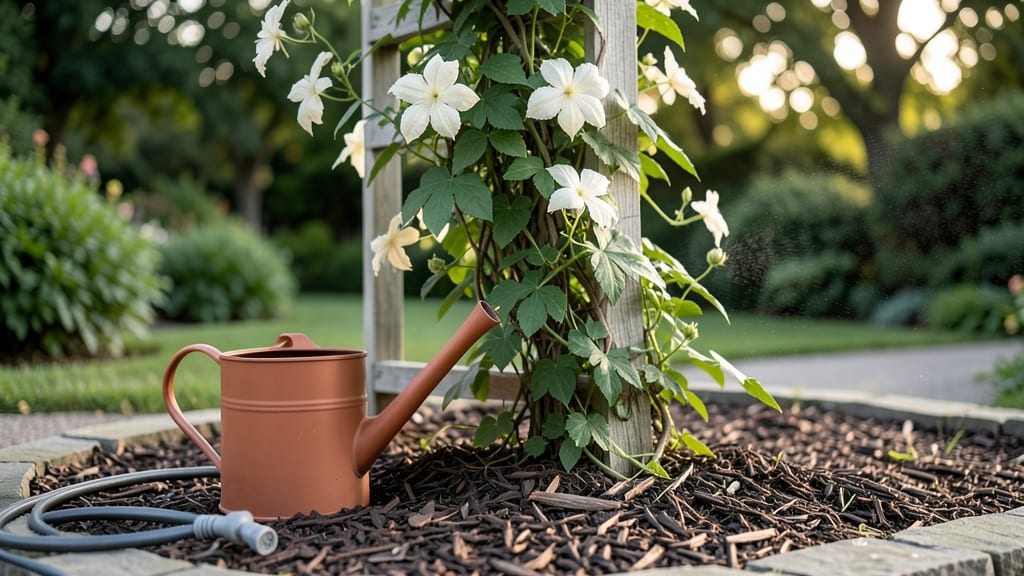
Watering clematis plants correctly is the secret to those stunning 🌸 blooms that climb your trellis like a living waterfall.
Picture this: You’ve just planted your clematis in USDA Zone 6a, dreaming of a garden showstopper—until you realize your vines are either wilting or turning yellow. Too much water, and you’re inviting root rot; too little, and you’re starving the plant’s thirsty roots.
The balance is everything, and once you crack the code, your clematis will reward you with vibrant flowers from spring through summer.
But here’s the catch: clematis don’t drink like other plants. They crave deep, infrequent watering—soaking the soil 12–16 inches down every 3–5 days in spring and summer, then tapering off as winter approaches. Skip the surface sprinkle, and you’ll miss the mark every time.
Below, I’ll walk you through the exact schedule, the telltale signs of over- or under-watering, and how to adjust for your local climate—so your clematis thrives, not just survives.
Ready to turn your garden into a blooming paradise? Let’s dive into the watering routine that keeps your clematis happy, healthy, and climbing higher than ever.
Seasonal watering guide for clematis: what to do in spring, summer, fall, and winter
Clematis vines thrive when their watering needs align with seasonal changes. Unlike many plants, clematis has unique moisture requirements that shift dramatically from spring growth to winter dormancy.
Overwatering in summer can cause root rot, while underwatering in spring stunts bloom production. Mastering these seasonal adjustments ensures your clematis stays healthy and vibrant all year.
Your clematis needs consistently moist but well-drained soil—never soggy. The key is deep, infrequent watering that encourages strong root development. In spring and summer, aim for 1-2 inches of water per week, while fall and winter demand far less.
Let’s break down each season’s approach to keep your clematis flourishing.
| Season | Watering Frequency | Depth | Technique | Adjustments |
|---|---|---|---|---|
| Spring | Every 3-4 days | 12-18 inches deep | Soaker hose or drip irrigation | Increase if dry |
| Summer | Daily or every 2 days | 12-18 inches deep | Morning watering only | Reduce if rainy |
| Fall | Every 5-7 days | 6-12 inches deep | Light watering, taper off | Stop by first frost |
| Winter | Bi-weekly | 2-3 inches deep | Mulch heavily | Avoid wet soil |
In spring, your clematis is waking up from dormancy and needs regular deep watering to support new growth. Water every 3-4 days until you see vigorous shoots emerging. Use a soaker hose or drip system to deliver water directly to the root zone, avoiding wetting the foliage.
This prevents fungal diseases like powdery mildew, which thrives in damp leaves.
Summer is the most critical watering period for clematis. With high temperatures and intense sunlight, your plant may need watering daily or every 2 days, depending on your climate.
Always water in the early morning to allow foliage to dry before evening. If you’re dealing with a drought, increase mulch around the base to retain moisture and reduce evaporation.
As fall approaches, reduce watering frequency to every 5-7 days. Your clematis is preparing for dormancy, so tapering off water helps it enter a restful state.
Stop watering entirely once the first frost hits, but keep the soil slightly moist if your region experiences freeze-thaw cycles. This prevents root damage during winter.
Winter watering is minimal but essential. Water bi-weekly only if the ground remains unfrozen. Focus on mulching heavily—use 4-6 inches of organic mulch like straw or wood chips—to insulate roots.
Avoid watering if the soil is frozen or saturated, as this can lead to root rot even in cold weather.
Watch for signs of stress like wilting leaves or yellowing foliage, which may indicate underwatering. Conversely, mushy stems or brown leaves signal overwatering. Adjust your approach based on your clematis’s response.
For example, if leaves curl in hot weather, increase watering slightly, but never let water pool around the base.
Pro tip: Install a rain gauge near your clematis to track natural rainfall. If you get 1 inch of rain per week, reduce manual watering by half. This simple tool helps you avoid overwatering while keeping your plant hydrated.
Pair it with regular soil checks—stick your finger 2 inches deep into the soil; if it’s dry, it’s time to water.
Don’t forget to adjust for container-grown clematis. Pots dry out faster, so water every 2-3 days in summer and monitor soil moisture closely. Use well-draining potting mix with perlite or vermiculite to prevent waterlogging.
If you notice roots circling the pot, it’s time to upgrade to a larger container.
With these seasonal adjustments, your clematis will reward you with stunning blooms and healthy growth. Consistency is key—stick to the schedule, and your vine will thrive for years to come. Happy gardening! 🌸
Signs your clematis is overwatered or underwatered (and how to fix it)
Clematis vines thrive when their watering needs are just right—too much or too little can spell disaster for your vertical garden star. The key is learning to read your plant's visual and tactile cues before symptoms become irreversible.
Yellowing leaves? Drooping stems? These could signal either overwatering or underwatering, and the fix depends entirely on diagnosing the root cause—literally.
I’ve seen clematis plants go from vibrant bloomers to sad, wilted shadows in just days because of watering mistakes. The good news? Most issues are reversible with quick action. Start by checking the soil moisture and stem condition—these two factors will tell you everything you need to know.
Overwatered clematis often feels soggy at the roots, while underwatered plants have dry, crispy soil and brittle stems.
If your clematis shows yellowing leaves with a mushy stem base, it’s likely overwatered. The first step is to stop watering immediately and let the soil dry out. Amend the soil with organic matter like compost or perlite to improve drainage.
For severe cases, you may need to repot the plant into fresh, well-draining soil. Always ensure your clematis has a well-draining pot or soil mix—this is non-negotiable for preventing root rot.
On the flip side, underwatered clematis will show crispy leaf edges and stems that feel brittle. The fix here is simple but critical: deep watering. Water until the soil is moist 6-8 inches down, then let the top inch dry out before watering again.
Mulching with organic mulch like wood chips helps retain moisture and keeps roots cool. If your clematis is in a container, ensure it has drainage holes and water more frequently, as pots dry out faster than garden beds.
One of my biggest mistakes was ignoring the pruning needs of stressed clematis. If your plant is severely underwatered or overwatered, prune back affected stems to encourage new growth. Focus on removing dead or dying foliage while leaving healthy stems intact.
This not only revives the plant but also redirects energy to new, vibrant growth. Just remember: prune in late winter or early spring for Group 1 clematis, or after flowering for Group 2 and 3 varieties.
Finally, pay attention to the time of day you water. Always water in the early morning to allow foliage to dry before evening. Wet leaves at night invite fungal diseases, which can further stress your clematis.
If you’ve been guilty of overwatering, consider installing a drip irrigation system to deliver water directly to the roots while keeping leaves dry. With these adjustments, your clematis will bounce back stronger than ever.