
Vegetables
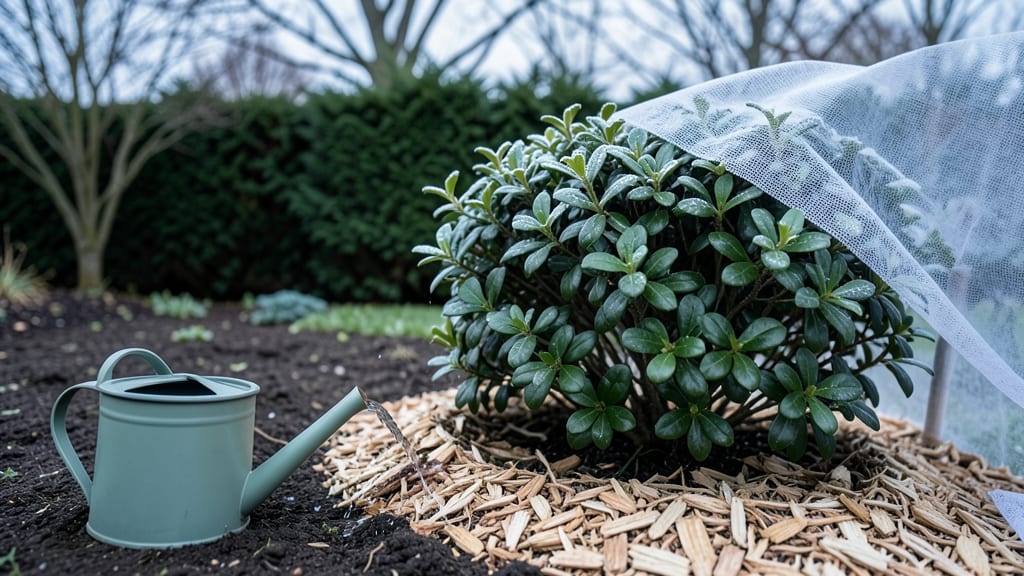
Winter watering your plants is all about timing and technique—because overdoing it can freeze roots while underwatering stresses them just as badly. That’s the tightrope you’re walking, especially when frost lurks just beneath the surface.
You might think winter means less watering, but the real challenge is avoiding frozen soil that locks out moisture. Evergreens, perennials, and even dormant bulbs still need just enough hydration to survive until spring—without turning your garden into a soggy mess.
Here’s the game-changer: a frost-proof schedule that adjusts for your climate, soil type, and plant needs. We’ll cover how often to water (spoiler: it’s not monthly for everything), the tools that make it easier, and warning signs your plants are thirsty—or drowning.
By the end, you’ll know exactly when to water, how much to give, and which mistakes to avoid—so your plants wake up healthy next spring instead of struggling to recover.


How often to water plants in winter without causing frost damage
Winter watering feels like a guessing game—too much moisture can freeze roots, while too little leaves plants dehydrated by spring. The key is understanding how soil temperature, plant type, and climate zone change the rules.
Evergreens, for example, need moisture to prevent desiccation, while dormant bulbs can rot if overwatered. Let’s break down the science-backed schedule to keep your garden thriving without turning your soil into an ice cube tray.
First, recognize that frost damage starts underground. When soil freezes, ice crystals form around roots, disrupting water uptake. This is why winter watering isn’t about hydration—it’s about moisture insurance.
The goal is to maintain 1-2 inches of soil moisture at all times, but only when the ground isn’t frozen. Use your finger: if the top 1 inch feels dry, it’s time to water—but only if the soil below is unfrozen.
Climate zones play a huge role. In USDA Zones 4-6, where hard frosts are common, watering should drop to once every 3-4 weeks for perennials. In milder Zones 7-9, evergreens may need bi-weekly watering to combat windburn. Containers dry out faster—check them every 5-7 days, even in winter, because they lack the insulating properties of in-ground soil.
Evergreens are the most sensitive to winter dehydration. Their needles transpire (lose moisture) even in cold air, so they need consistent water—just not too much. A 3-inch layer of mulch around the base acts like a blanket, insulating roots and slowing moisture loss.
For broadleaf evergreens like boxwood or holly, water when the soil feels dry 1 inch down, but avoid wetting the foliage, which can lead to fungal diseases like powdery mildew.
Perennials like hostas and lavender enter dormancy but still need moisture to survive. The trick is deep, infrequent watering. Instead of light sprinkles, aim for 1-2 gallons per plant every 3-4 weeks in colder zones.
Use a soil moisture meter to avoid guesswork—if it reads below 30% moisture at 2 inches deep, it’s time to water. Pro tip: Water in the early morning to reduce evaporation and give roots time to absorb moisture before nighttime freezing.
Bulbs are a special case. Once planted, tulips and daffodils need almost no
Winter watering mistakes that kill roots (and how to fix them)
Winter watering feels like a guessing game—too much and you risk root rot from soggy soil, too little and roots freeze solid. The worst part? Many gardeners make the same costly mistakes year after year, unaware their plants are silently suffering.
I’ve seen evergreens turn brown and perennials fail to return in spring because of these common errors.
One of the biggest misconceptions is that winter means "no watering." In reality, plants still need moisture to survive freezing temperatures. The key is adjusting your approach to match seasonal needs.
For example, container plants dry out faster than in-ground beds, while mulch-covered soil retains moisture longer. Without the right balance, roots can suffocate or freeze—both fatal outcomes.
⚠️ callout warning ⚠️
Watering when the ground is frozen is like pouring water into a concrete block—it runs off or pools, creating ice-lens layers that suffocate roots. Test soil moisture by pushing a screwdriver into the ground; if it resists, wait. High-risk plants: Evergreens, broadleaf perennials, and container-grown shrubs.
✅ FIX: Use a soil thermometer (ideal: water when soil temps are 40°F+). For frozen soil, switch to drip irrigation on a timer or hand-water at the base of plants.
Another silent killer is ignoring microclimates in your garden.
A south-facing wall can create a 5°F warmer zone than the rest of your yard, meaning plants there need water when others don’t. I once had a rosemary bush in a sunny microclimate that died because I assumed it was dormant like the rest of the garden.
Always check localized conditions—especially near foundations, patios, or dense shrubs.
Using the wrong tools can also backfire. A standard hose nozzle creates surface runoff in winter, while a soaker hose delivers water directly to roots where it’s needed. For container plants, I recommend self-watering globes—they release moisture slowly and prevent the soil from freezing solid.
If you’re still using a watering can, consider upgrading: frozen water droplets on leaves can lead to cold damage or fungal issues.
Here’s how to fix these mistakes step-by-step:
- Check soil temperature before watering (use a soil thermometer).
- Adjust frequency—water containers every 7–10 days and in-ground plants monthly (unless it’s a drought).
- Use the right tools: Drip irrigation or soaker hoses for even distribution.
- Mulch properly: Apply 3–4 inches of straw or shredded leaves to insulate roots.
Remember, winter watering isn’t about following a rigid schedule—it’s about observing your plants and adapting. If you see wilted leaves in winter, it’s often a sign of underwatering, not drought.
And if your soil feels dry 2 inches below the surface, it’s time to water—even in January. Your roots will thank you when spring arrives.