
Watering
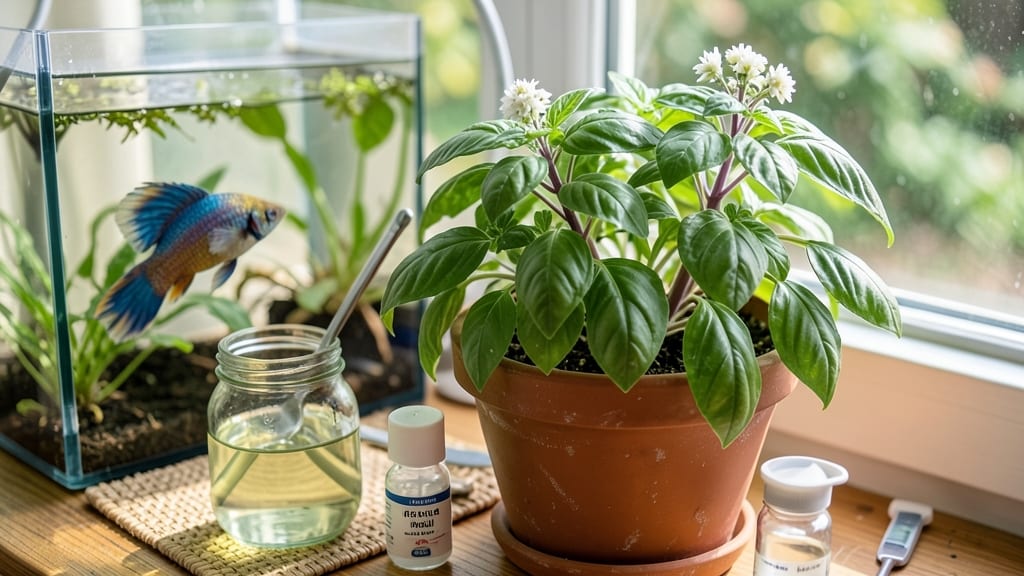
Watering plants with fish tank water can enrich soil with natural nitrogen and phosphorus but must be handled carefully to prevent chlorine, ammonia, or salt damage. Always let it sit uncovered for 24 hours, dilute it 1:1 with tap water, and watch for leaf discoloration or stunted growth.
Fish tank water acts like a natural fertilizer because it contains fish waste—rich in nitrogen and phosphorus—that plants crave. 🌱 The challenge? Untreated water may also carry harmful chlorine (from tap water used in tanks) or ammonia (from uneaten fish food or waste).
I’ve found that aging water for a full day removes most chlorine, while diluting it halves the risk of over-fertilizing sensitive plants like ferns or succulents.
For heavy feeders like tomatoes or peppers, you can use undiluted aged water every 2-3 weeks, but always test soil pH first—most aquarium water leans slightly acidic.
Pro tip: Add a pinch of baking soda if your tank water tests too acidic, or use a simple test kit to check nitrate levels before watering. Over time, your plants may show lush green leaves or faster growth—but if they develop brown tips or yellowing, cut back immediately.
The key is balance: fish tank water is a gardener’s secret weapon when used thoughtfully.
💡 In This Article
- Nutrient Benefits and Risks of Fish Tank Water for Plants
- Step-by-Step Guide to Safely Using Fish Tank Water on Plants
Nutrient benefits and risks of fish tank water for plants
Fish tank water is essentially a liquid goldmine for plants because it contains dissolved nutrients from fish waste, uneaten food, and decaying plant matter.
The primary benefits come from nitrogen (in the form of ammonia and nitrates) and phosphorus, which are essential for leafy growth and root development. 🌿 For example, a well-established tank with 5-10 fish can produce enough nitrates to provide 20-50 ppm of nitrogen—similar to a balanced liquid fertilizer.
However, this nutrient richness comes with a catch: the water also contains ammonia, which can be toxic to plants at concentrations above 5 ppm, and chlorine if tap water was recently added to the tank.
The chemical transformation in a fish tank follows a natural cycle: fish waste produces ammonia, which beneficial bacteria convert to nitrites, and then to nitrates.
While nitrates are plant-friendly, the intermediate ammonia and nitrites can harm roots if present in high amounts. 🔬 The pH of tank water typically ranges from 6.5 to 8.0, which is ideal for most plants, but can become acidic if the tank is heavily stocked or if decaying organic matter accumulates.
This is why aging water for 24-48 hours before use allows ammonia levels to drop significantly through bacterial action and evaporation.
Different plant types respond uniquely to these nutrients. Heavy feeders like tomatoes, peppers, and leafy greens thrive with the extra nitrogen, showing faster growth and darker green foliage.
On the other hand, sensitive plants such as ferns, orchids, or succulents may suffer from burnt leaf tips or yellowing if exposed to undiluted tank water.
The key is matching the water's nutrient profile to your plants' needs—think of it like giving them a vitamin boost, but with the right dosage.
Salt buildup is another hidden risk, especially in saltwater tanks or if you use saltwater-based additives.
Over time, accumulated salts can alter soil structure and reduce water absorption, leading to crusty soil surfaces or wilting despite adequate moisture. 💧 To mitigate this, always flush the soil with plain water after using tank water and avoid overusing it on salt-sensitive plants like cacti or citrus trees.
A simple soil test kit can help you monitor salt levels and adjust your watering approach accordingly.
One fascinating aspect is how tank water can influence beneficial soil microbes. The presence of nitrifying bacteria from the aquarium can actually improve soil microbial diversity, creating a more resilient ecosystem. However, this benefit only kicks in if the water is properly aged and free of harmful chemicals.
For instance, I once noticed my basil plants developed stronger roots and more vibrant leaves after using aged tank water weekly—proof that the microbial community in the soil was thriving alongside the added nutrients.
To put this into perspective, imagine comparing tank water to commercial fertilizers. While both provide nitrogen, phosphorus, and potassium (NPK), tank water offers these nutrients in a more natural, slow-release form.
Commercial fertilizers often contain synthetic chemicals that can disrupt soil biology over time, whereas tank water's organic compounds integrate more gently into the soil ecosystem. The trade-off? You need to be more vigilant about monitoring plant responses and water chemistry.