
Size
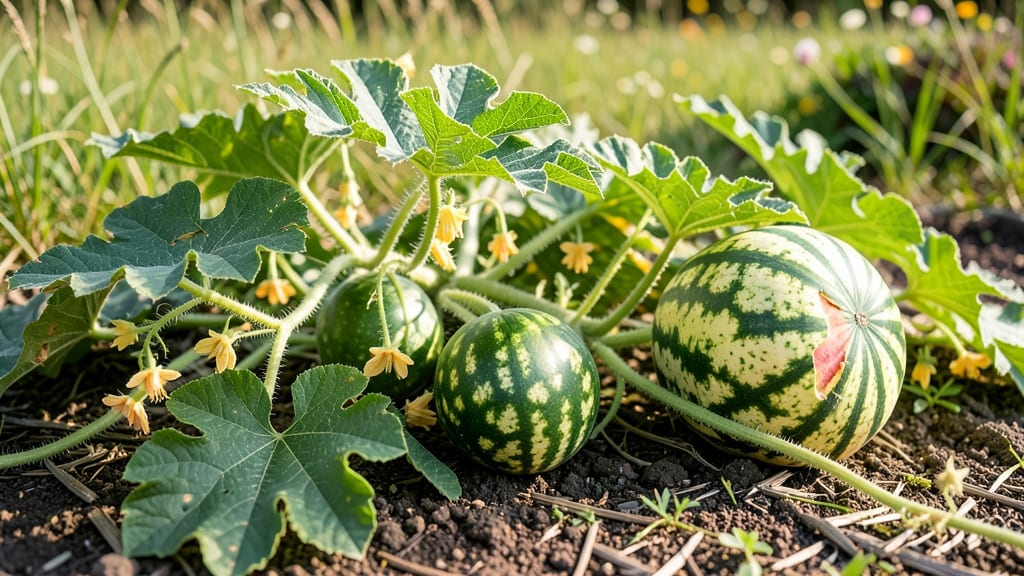
Watermelons need hot sun, sprawling space, and rich soil to grow into those sweet, juicy giants you crave 🍉 — but too many gardeners miss the little details that make the difference between a decent harvest and a bumper crop.
Picture this: you’ve sown your seeds, crossed your fingers, and waited patiently—only to end up with bitter, undersized fruits or vines that flop over like tangled spaghetti. The truth?
Watermelons are picky, but once you dial in their three big needs—sunlight, room to stretch, and the right soil mix—they reward you with melons that taste like summer in every bite.
In this guide, I’ll break down the exact conditions your watermelons crave: how much sun they really need (hint: it’s more than you think), why crowding your plants is a recipe for disaster, and the soil secrets that turn bland melons into flavor bombs.
No guesswork, just proven tips to set you up for a harvest that’ll make your neighbors jealous.
Ready to grow watermelons that put store-bought to shame? Let’s dive into the sunlight, space, and soil strategies that’ll turn your patch into a melon powerhouse—starting with the one mistake almost everyone makes.


Watermelon growing requirements: sunlight, heat, and space essentials
Watermelons thrive when given the right mix of sunlight, heat, and space—three critical factors that directly impact their growth and fruit production. Without these essentials, your vines may struggle to produce those sweet, juicy melons you crave.
Let’s break down exactly what your watermelons need to flourish and how to create the perfect growing environment.
First, sunlight is non-negotiable for watermelons. These plants are sun-worshippers, demanding 6 to 8+ hours of direct sunlight daily. Without enough light, vines grow weak, leaves turn yellow, and fruit development stalls. Even partial shade can reduce yields, so choose the sunniest spot in your garden for maximum success.
Next, heat plays a crucial role in watermelon growth. Ideal temperatures range from 70°F to 90°F, with soil temperatures above 70°F needed for seeds to germinate.
Cooler climates can delay growth, but with the right adjustments—like black plastic mulch or row covers—you can still coax watermelons to thrive even in less-than-ideal conditions.
Finally, space is often overlooked but equally important. Watermelon vines spread 6 to 10 feet in all directions, and crowding leads to poor air circulation, disease, and smaller fruits. Give each plant plenty of room to sprawl, or use trellises for compact varieties to save space without sacrificing yield.
| Requirement | Specification |
|---|---|
| Sunlight | 6-8+ hours of direct sunlight daily |
| Heat Tolerance | 70°F to 90°F (soil temp ≥70°F for germination) |
| Vine Spacing | 6-10 feet per plant (or trellis for compact varieties) |
| USDA Growing Zones | Zones 4-11 (with adjustments for cooler climates) |
| Cooler Climate Tip | Use black plastic mulch or row covers to warm soil |
If you’re growing watermelons in cooler climates (like USDA Zones 4-5), don’t let chilly temperatures discourage you. Start seeds indoors 4-6 weeks before the last frost, then transplant seedlings into warmed soil.
Use black plastic mulch to absorb sunlight and raise soil temperatures by 10-15°F, speeding up germination and growth.
For warmer regions (Zones 6-11), watermelons love the heat but may struggle if temperatures exceed 95°F. Provide afternoon shade with lightweight shade cloth (30-50%) to protect vines from scorching. Mulching also helps retain moisture and keeps roots cool, which is especially important during peak summer months.
When it comes to space, think big! Watermelon vines can spread wider than a small car, so plan accordingly. If your garden is small, opt for compact or bush varieties like 'Sugar Baby' or 'Tiny Tim,' which stay under 3 feet in diameter.
For larger varieties, allocate at least 10 feet per plant or use trellises to train vines vertically and save space.
Pro tip: Rotate your watermelon plants every year to prevent soil-borne diseases and nutrient depletion. Avoid planting them in the same spot where cucumbers, squash, or melons grew the previous season, as they share similar pests and diseases.
By giving your watermelons the right sunlight, heat, and space, you’ll set the stage for a bountiful harvest. Watch as those sprawling vines take over your garden—and soon, you’ll be feasting on homegrown melons that rival the sweetest store-bought varieties. ☀️🍉
Soil and nutrient secrets for juicier, larger watermelons
Your watermelons won’t reach their full potential unless the soil is just right—think rich, well-draining, and nutrient-packed. The secret lies in a slightly acidic to neutral pH (6.0-7.0) and plenty of organic matter like compost or aged manure.
Without these, your vines may struggle, and your fruits will stay small and bland.
Many gardeners overlook soil prep, assuming watermelons are low-maintenance. But poor soil quality is the #1 reason for stunted growth. I’ve seen firsthand how amending clay-heavy or sandy soil can transform a disappointing harvest into a bounty of sweet, 20-pound melons. Let’s break down what your soil actually needs.
What Do Watermelons Need to Grow?
- Test soil pH (6.0-7.0)
- Add compost (2-3 inches)
- Use aged manure (cow/chicken)
- Mix in sand for drainage
- Fertilize with 10-10-10 at planting
- Plant in compacted soil
- Over-fertilize with nitrogen
- Skip soil testing (pH matters!)
- Use fresh manure (burns roots)
- Ignore organic matter (key for juiciness)
🌱 Pro Tip: Work compost into the top 12 inches of soil before planting for best results.
Watermelons are heavy feeders, especially during fruiting. They crave a balanced mix of nitrogen (N), phosphorus (P), and potassium (K). Too much nitrogen early on will boost leafy growth but delay fruit production.
Instead, apply a 10-10-10 fertilizer at planting, then switch to a 5-10-10 when flowers appear to encourage sweeter fruit.
One common mistake? Amending only the surface of the soil. Watermelon roots can grow 3-4 feet deep, so mix organic matter into the subsoil too. I’ve had the best success by tilling in composted leaves or well-rotted manure to a depth of 12 inches.
This ensures roots access nutrients all season long.
If your soil is heavy clay, add coarse sand or perlite to improve drainage. Watermelons hate soggy roots, which can lead to rot and blossom-end rot. For sandy soils, incorporate peat moss or coconut coir to retain moisture.
A quick soil test (available at garden centers for ~$10) will reveal exactly what amendments you need.
Remember, juicier watermelons start with healthy soil. Focus on organic matter, proper pH, and balanced nutrients, and you’ll be rewarded with melons so sweet they’ll make your neighbors jealous. Happy growing!