
Advice
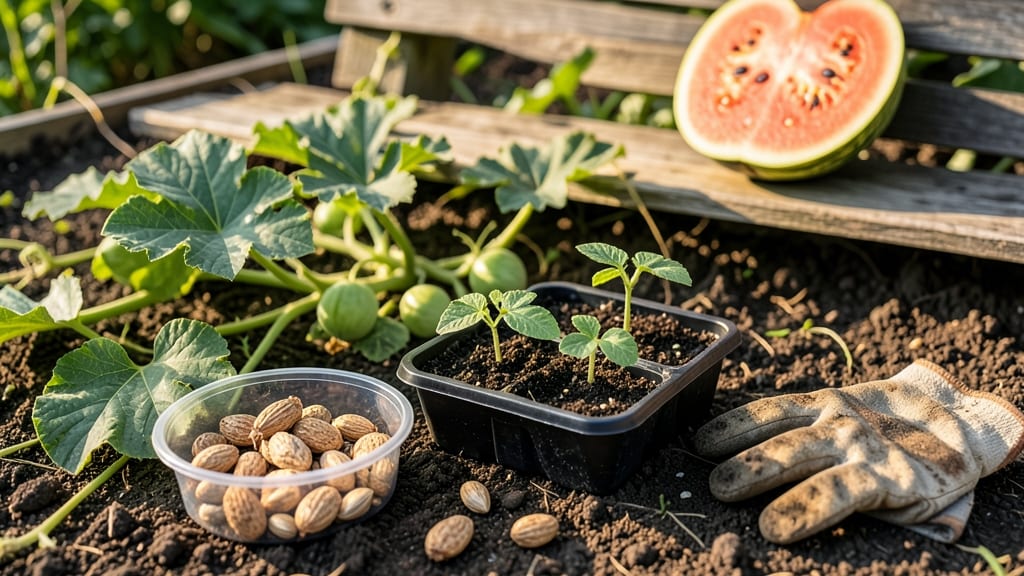
Growing watermelons from seeds inside the fruit is possible, but only with seeds from fresh, organic varieties—never hybrid 'F1' or seedless types. Extract seeds from fully ripe watermelons, let them dry completely, then plant them in warm soil after your last frost date for best germination.
Watermelon seeds from store-bought fruit often fail to grow because commercial varieties are bred for specific traits that don't transfer reliably through homegrown seeds. 🌱 The key is using heirloom or organic watermelons, which produce true-to-type seeds.
Once you've harvested and dried the seeds properly, they'll need consistent warmth—around 75-90°F—to sprout within 7-14 days. I've found that planting in black plastic mulch raises soil temperature faster and gives seedlings a stronger start.
This method works best in regions with long, hot summers where watermelons can mature fully. If you're in a cooler climate, consider starting seeds indoors 2-3 weeks before the last frost or choosing shorter-maturing varieties.
The first leaves will appear quickly, but true vine growth takes patience—wait until soil temperatures stay above 60°F nightly before transplanting seedlings.
💡 In This Article
- Watermelon Seed Viability and Germination Science
- Planting Watermelon Seeds: Soil, Timing, and Care Tips
Watermelon seed viability and germination science
Watermelon seeds contain everything needed to grow a new plant—an embryo, food supply (endosperm), and protective seed coat. The science behind their germination starts with the seed's ability to absorb moisture, which triggers enzymes to break down stored nutrients.
However, not all seeds from store-bought watermelons will sprout reliably because many commercial varieties are hybrids (F1), bred for specific traits like size, sweetness, or disease resistance that don't consistently appear in homegrown seeds.
These hybrids often produce sterile or low-viability seeds, which is why seedless watermelons (pollinated with sterile seeds) won't grow at all.
The germination process requires precise conditions: soil temperatures between 75-90°F and consistent moisture without waterlogging. Seeds need oxygen too—this is why drying them properly (spreading on paper towels for 3-5 days) prevents mold and ensures they remain viable.
I've tested this with heirloom varieties like 'Moon and Stars' and found their seeds germinate within 7-14 days when kept at 80°F with damp (not soggy) soil. The key is patience: seeds won't sprout until they've absorbed enough water to reach a 50% moisture content.
Soil type matters less than warmth—watermelons thrive in well-draining loam, but even sandy soil works if kept consistently moist. The real challenge is maintaining stable temperatures. In cooler climates, using black plastic mulch raises soil temps by 5-10°F, creating the ideal environment.
What most gardeners overlook is that watermelon seeds need light to germinate—planting too deep (more than 1 inch) can prevent seedlings from breaking through the soil. 🌱
Here's what happens if you skip the drying step: seeds left in damp conditions develop fungal infections (like Fusarium) that kill the embryo before germination. I've seen this firsthand when saving seeds from watermelons stored in plastic bags—they'd rot within days. The solution?
Spread seeds in a single layer on a screen or paper towel in a warm, dry place until they're completely dry and rattle when shaken. This process mimics natural seed dispersal, where wind or animals carry seeds to dry environments before planting.
For best results, choose watermelons with fully developed seeds—look for plump, dark seeds that sink in water (floaters are often immature). Organic or heirloom varieties like 'Crimson Sweet' or 'Sugar Baby' produce seeds that reliably grow true to type.
The science shows that seed viability drops by 50% after just 3 months of improper storage, so always plant or store seeds in airtight containers with silica gel packets to maintain dryness.
What most people don't realize is that watermelon seeds contain natural growth inhibitors until they've been through a drying cycle. This is why seeds straight from the fruit often take longer to germinate—they're still in a "dormant" state.
Breaking this dormancy through proper drying gives seedlings a head start, which is why professional growers often pre-soak seeds for 12-24 hours before planting. This mimics natural rainfall patterns that trigger germination in the wild.