
Flowers
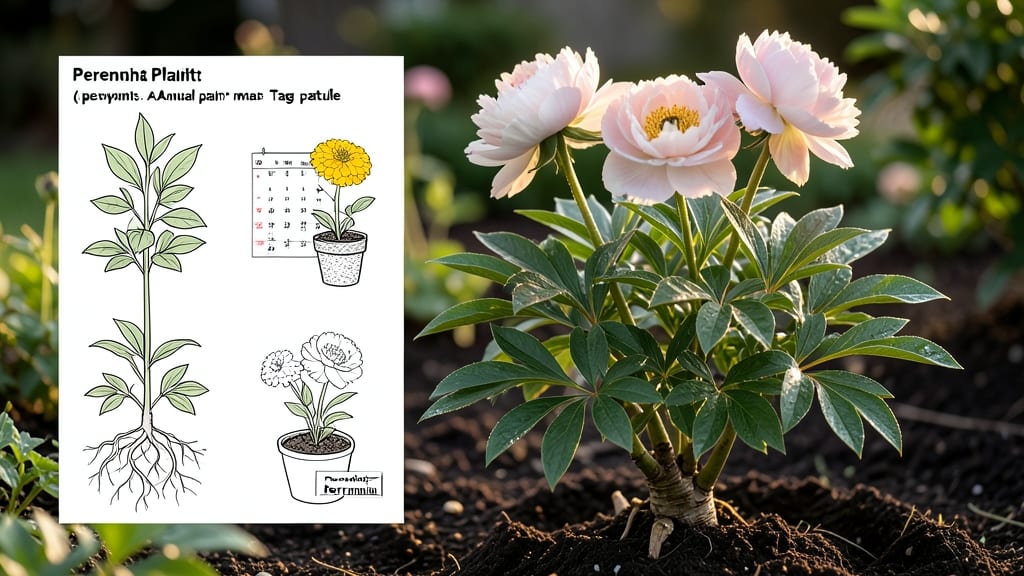
What does perennial mean? It refers to plants that live for more than two years, returning each growing season from the same root system with proper care. Unlike annuals or biennials, they don't die after one or two seasons—think of hardy favorites like lavender, hostas, and peonies.
Perennials stay alive because they store energy in underground structures like roots, rhizomes, or tubers, allowing them to survive harsh winters or dry spells. 🌱 This built-in resilience means they often need less frequent replanting, making them ideal for low-maintenance gardens.
The trade-off? They may take a year or two to reach full maturity compared to annuals that bloom quickly but fade away.
What sets perennials apart is their ability to adapt—many go dormant in winter but burst back to life when conditions improve. This makes them perfect for gardeners who want long-term beauty with minimal effort, though they do require proper soil prep and seasonal care to thrive year after year.
💡 In This Article
- How Perennial Plants Survive Through Seasons
- Choosing and Caring for Perennial Garden Plants
How perennial plants survive through seasons
The secret to perennial plants' longevity lies in their sophisticated underground storage systems. Most perennials develop extensive root networks that store carbohydrates—like starches and sugars—as energy reserves.
For example, peonies store energy in thick, fleshy roots called tubers, while daylilies rely on rhizomes (horizontal underground stems) that can grow several feet long. These structures allow the plant to survive winter dormancy by maintaining just enough energy to regenerate new shoots when temperatures rise. 🌱
Dormancy is another critical survival mechanism. During cold months, perennials like lavender and coneflowers enter a metabolic slowdown, reducing water loss and energy expenditure. Some even produce antifreeze proteins that prevent ice crystals from forming in their cells—a trick borrowed from cold-hardy animals!
This adaptation explains why perennials can thrive in zones as cold as USDA Zone 3, where annuals would freeze solid. The trade-off is that these plants often bloom later in the season compared to annuals, as they prioritize root development over immediate flowering.
Seasonal adaptation extends beyond winter survival. Many perennials develop deep taproots that access water from lower soil layers, giving them an edge during droughts. Hostas, for instance, can grow roots up to 3 feet deep, while shallow-rooted annuals like marigolds struggle when moisture becomes scarce.
This root depth also helps perennials compete with weeds, as their extensive networks can outcompete annual invaders for nutrients. The result? A garden that becomes more self-sustaining over time, with fewer weeds and more reliable blooms year after year.
Not all perennials use the same survival strategies. Some, like asparagus, produce crowns (thickened underground stems) that store energy, while others like iris rely on bulbs with layered scales.
These variations explain why some perennials (like bulbs) die back completely in winter, while others (like ornamental grasses) maintain some green foliage. The key difference is energy storage location—whether in roots, stems, or specialized structures—each adapted to the plant's native climate and growing conditions.
What most gardeners don't realize is how these survival mechanisms translate to care requirements. Perennials with extensive root systems often need less frequent watering once established, while those with shallow roots (like some daylilies) may require consistent moisture.
The same goes for soil amendments: deep-rooted perennials benefit from compost worked into the top 12 inches of soil, while bulb perennials need well-draining mixes to prevent rot. Understanding these biological adaptations helps explain why some perennials thrive in poor soil while others demand rich, fertile conditions.
Consider the example of Russian sage (Perovskia atriplicifolia), a drought-tolerant perennial that stores water in its woody stems. This plant can survive three months without rain in its native steppe environments, making it ideal for xeric gardens.
Compare that to an annual like cosmos, which bolts (goes to seed) quickly when stressed by drought—a clear demonstration of why perennials outlast their annual counterparts in challenging conditions. 💫