
Plants
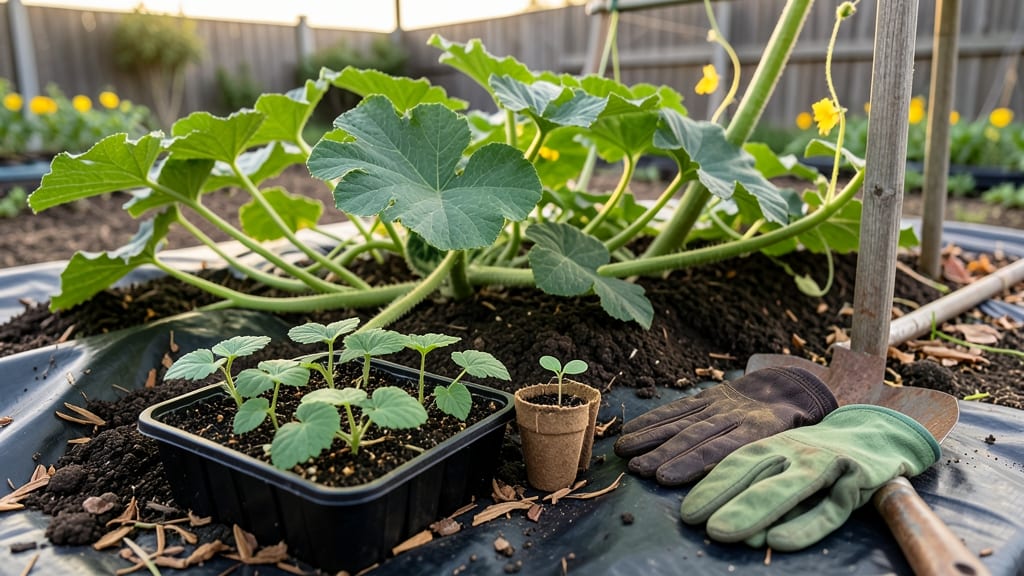
You plant watermelon in Missouri only after soil temperatures hit 70°F and all frost risk has passed—typically late April to early June, but timing varies wildly by zone.
Missouri’s unpredictable spring weather can turn watermelon planting into a gamble—unless you know the exact window for reliable germination and fruit development. One week too early, and a late frost wipes out seedlings overnight. Too late, and the season shrinks before the vines even spread.
Most gardeners in 5b-6b zones wait until mid-May, but northern Missouri’s cooler soils may need black plastic mulch to warm up faster. The key isn’t just the calendar—it’s soil thermometers, row covers, and choosing fast-maturing varieties like ‘Sugar Baby’ to beat the clock.
Below, I break down zone-by-zone planting dates, heat tricks to outsmart Missouri’s swings, and how to extend the season for bigger harvests—so you’re not left with half-sized melons or empty vines by July.
Missouri’s best planting windows for watermelon by hardiness zones
Missouri’s USDA zones 5a-7b create a tricky balance for watermelon growers. The key isn’t just avoiding frost—it’s waiting for soil temperatures to hit 70°F+.
In northern Missouri (5a-5b), this often means waiting until late May, while southern Missouri (6a-7b) can start as early as mid-April in ideal years. Without proper timing, your seedlings will either rot in cold soil or bolt in sudden heat.
Watermelons are warm-season crops that despise anything below 55°F. Even a light frost after planting can kill seedlings overnight. Missouri’s last average frost dates range from April 15 in southern zones to May 15 in the north—but these are just averages.
A false spring can fool you into planting too early, only for a late frost to wipe out your crop.
Your best bet is to use a soil thermometer to confirm 70°F+ soil temps at a 4-inch depth. This is more reliable than air temperature alone.
For early varieties like ‘Sugar Baby’, aim for late April to early May in southern Missouri. Standard varieties like ‘Crimson Sweet’ should wait until mid-May to early June statewide.
Here’s the critical comparison between indoor seed-starting and direct sowing in Missouri:
| Method | Zone 5a-5b (North) | Zone 6a-6b (Central) | Zone 7a-7b (South) |
|---|---|---|---|
| Indoor Start (6-8 weeks before last frost) | Start March 15-31, transplant May 1-15 | Start March 1-15, transplant April 15-May 1 | Start February 15-March 15, transplant April 1-15 |
| Direct Sow (after soil hits 70°F) | May 15-June 1 (soil thermometer required) | April 30-May 15 (soil thermometer required) | April 15-May 1 (soil thermometer required) |
| Key Advantage | Extends season by 4-6 weeks | Allows earlier harvests | Maximizes heat tolerance |
| Risk Factor | Late frosts (May 15+) | False springs (April frosts) | Overheating (90°F+ soil) |
If you’re direct sowing, use black plastic mulch to warm the soil faster—this can shave 1-2 weeks off your planting window. For indoor starts, harden off seedlings for 7-10 days before transplanting to avoid shock from Missouri’s temperature swings.
For northern Missouri gardeners (5a-5b), I recommend staggered planting: start a few seeds indoors in late March and direct-sow the rest in late May. This gives you a double harvest window from July to September.
The earlier batch might produce smaller melons, but the later batch will be sweeter from cooler nights.
In southern Missouri (7a-7b), you can push the envelope with early varieties. Plant ‘Sugar Baby’ as soon as soil hits 70°F in April, but always have row covers ready for late frosts.
The trade-off? Early planting can lead to bolting if nights stay too cool (below 60°F).
Pro tip: Missouri’s humidity levels can cause powdery mildew if you plant too early. Wait until June 1+ in northern zones to give your vines time to establish strong roots before the heat and humidity peak. This simple adjustment can double your yield by preventing fungal stress.
Remember, watermelons need 90-100 days to mature. If you plant too late, you’ll end up with small, underripe fruit. Use this rule of thumb: Count backward from your first frost date (mid-October) and plant 90 days before. For most of Missouri
Heat tolerance tricks to outsmart Missouri’s unpredictable spring
Missouri’s spring weather can swing from freezing nights to 90°F heat in a single week, making watermelon planting a high-stakes game. The key is extending your season with smart tricks that protect seedlings and speed up soil warming.
I’ve learned the hard way—planting too early after a false spring can mean lost crops when frost returns.
Your first line of defense is black plastic mulch, which warms soil by 10-15°F faster than bare earth. Lay it down 2-3 weeks before planting to hit that critical 70°F soil temp watermelon seeds need to germinate.
Without it, your seeds might just sit there, waiting for heat that never comes.
Don’t fall for the false spring trap—those 70°F days in April can fool you into planting too soon. I once lost a batch of seedlings when a 28°F night hit in early May.
Check your local USDA frost maps and wait until your area’s average last frost date has passed by at least 2 weeks.
For seedlings started indoors, harden them off by moving them outside for 1-2 hours daily, increasing time gradually. This toughens their cell walls so they survive Missouri’s temperature whiplash. Skip this step, and you’ll end up with wilting, stressed plants that never recover.
Once planted, monitor soil temps with a soil thermometer—watermelon roots need 75°F+ to thrive. If your area hits a heatwave after planting, mulch heavily to keep roots cool and hydrated. The goal is consistent warmth without stress, not scorched soil.
With these tricks, you’ll outsmart Missouri’s mood swings and enjoy juicy watermelons from July through September—no more gambling on the weather. 🍉