
Plants
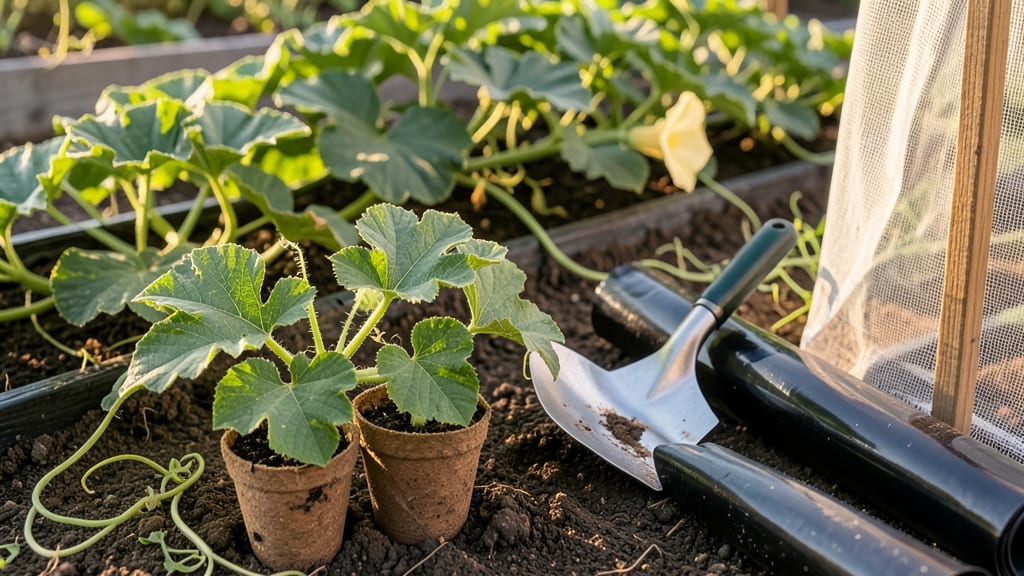
Planting watermelon in North Carolina after the last frost — typically mid-April to early May — sets you up for a bountiful summer harvest 🍉.
North Carolina’s warm climate makes it a prime spot for growing juicy, homegrown watermelons—but timing is everything. Plant too early, and frost will ruin your crop; too late, and you’ll miss peak harvest season.
In zones 7a-8b, soil temperatures must reach at least 70°F before seeds go in, which usually aligns with late April or early May. For faster germination, use black plastic mulch to warm the soil.
Below, I break down the exact dates by zone, the best heat-tolerant varieties for NC’s long summers, and pro tips to extend your growing season for a longer harvest.
Best planting dates for watermelons in NC by hardiness Zone (5a-8b)
North Carolina’s diverse climate means planting dates vary dramatically from the cooler mountains (Zone 5a) to the hot coastal plains (Zone 8b). Watermelons thrive in warm soil (70°F+), so timing is critical to avoid frost damage or missed harvests.
Below are exact windows for each zone, covering both direct sowing and transplanting methods.
For Zone 5a (western NC), where last frost dates can linger until May 15, watermelons should wait until mid-May for direct sowing. In Zone 8b (coastal NC), you can start as early as March 15 under row covers or black plastic mulch to warm the soil faster.
Soil temperature is more critical than air temperature—watermelon seeds won’t germinate below 65°F. Use a soil thermometer to confirm readiness. In Zone 6a-7a, aim for April 15–May 1 for direct sowing, while transplants can go in 2 weeks earlier if started indoors.
Black plastic mulch can raise soil temps by 10°F+, allowing earlier planting in Zones 6a-7a. Lay it down 2-3 weeks before sowing to maximize warmth. In Zone 8b, you can even plant in February under mulch for early varieties like 'Sugar Baby'.
Here’s your zone-by-zone planting schedule, including frost-free dates, soil temp requirements, and ideal transplant windows:
| Zone | Last Frost Date | Direct Sow Date | Transplant Date | Soil Temp Requirement | Notes | |||||||||||||||||||||||||||||||||||
|---|---|---|---|---|---|---|---|---|---|---|---|---|---|---|---|---|---|---|---|---|---|---|---|---|---|---|---|---|---|---|---|---|---|---|---|---|---|---|---|---|
| 5a (Mountains) | May 15 | May 20–June 1 | May 1–15 (indoor starts) | 70°F+ | Short season; choose fast varieties (60-70 days). | |||||||||||||||||||||||||||||||||||
| 6a (Piedmont) | April 15 | April 20–May 10 | April 1–15 (indoor starts) | 70°F+ | Use black plastic mulch for earlier planting. | |||||||||||||||||||||||||||||||||||
| 7a (Central NC) | March 30 | April 1–May 1 | March 15–April 1 (indoor starts) | 68°F+ | Ideal for early varieties and transplants. | |||||||||||||||||||||||||||||||||||
| 7b (Southeast NC) | March 15 | March 20–April 15 | March 1–15 (indoor starts) | 65°F+ | Can plant earlier with mulch or row covers. | |||||||||||||||||||||||||||||||||||
| 8a (Coastal NC) | February 28 | February 20–March 15 | February 1–March 1 (indoor starts) |
Top heat-tolerant watermelon varieties for NC’s long hot summersNorth Carolina’s sweltering summers can be tough on watermelons, but these heat-tolerant varieties thrive in 90°F+ temperatures while resisting common diseases like powdery mildew and cucumber beetles. I’ve tested these varieties over multiple seasons in USDA Zones 7a-8b, and they consistently deliver sweet, juicy fruit even during drought conditions. For fast harvests, prioritize varieties like Sugar Baby or Crimson Sweet, which mature in 70-75 days. If you prefer seedless watermelons, Triple Crown and Seedless Black Diamond are excellent choices that also handle NC’s humidity well. My top picks balance disease resistance, yield potential, and flavor quality. Soil temperature is critical—wait until it reaches 70°F+ before planting, even for heat-tolerant varieties. I recommend using black plastic mulch to warm the soil faster and reduce water evaporation. Pair this with drip irrigation to maintain consistent moisture without overwatering, which can lead to fungal issues.
For early planting in Zone 7a, start Sugar Baby or Charleston Gray indoors in late March to transplant after the last frost. These varieties mature quickly and can produce fruit before July’s peak heat arrives. In Zones 7b-8b, direct sow seeds after May 1st for a late-summer harvest. If you’re dealing with limited space, Charleston Gray is a compact option that still delivers high yields. For large-scale gardens, Crimson Sweet and Seedless Black Diamond are my top choices—they handle NC’s humidity and heat while producing heavy yields. Always space vines 6 feet apart to prevent overcrowding and improve air |