
Plants
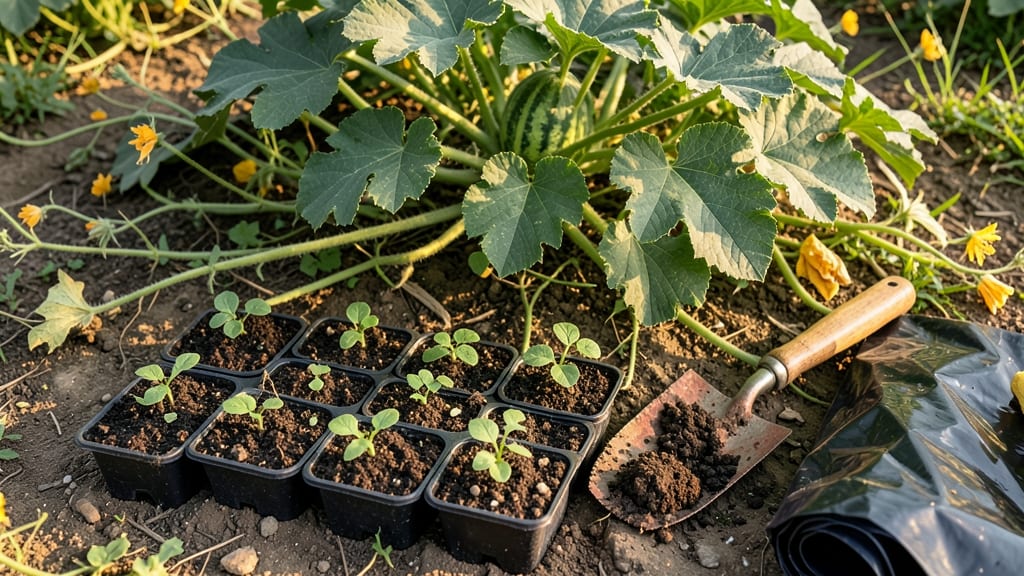
Planting watermelon in North Carolina after the last frost—typically between April 15 and June 1—sets the stage for a bountiful harvest.
North Carolina’s warm climate makes it a prime spot for growing juicy, homegrown watermelons—but timing is everything. Plant too early, and frost will wipe out your crop; too late, and you’ll miss the sweet harvest season.
In zones 7a-8b, soil temperature must reach at least 70°F before seeds sprout, which usually aligns with late April to early May. Starting indoors isn’t recommended since watermelons dislike transplant shock.
Below, I’ll break down the exact planting schedule by zone, soil prep tips, and how to extend your growing season for a longer harvest window.
North Carolina watermelon planting timeline by hardiness Zone (5-8)
North Carolina’s USDA Zones 5-8 offer diverse climates for growing watermelons, but timing is critical to avoid frost damage or missed harvests. Watermelons thrive in warm soil (70°F+) and need 120-140 frost-free days to mature. Below is your zone-by-zone planting schedule, including direct sowing and transplanting windows.
For Zone 5 (western mountains), plant after the last frost date (mid-April) and use black plastic mulch to warm soil faster. Zones 6-8 (coastal and piedmont) have longer growing seasons, allowing earlier starts and extended harvests into September.
🌱
| Zone | Last Frost Date | Direct Sow Window | Transplant Window | Soil Temp Requirement | Harvest Window |
|---|---|---|---|---|---|
| 5 | Mid-April | May 1 - May 15 | April 15 - April 30 (start indoors) | 70°F+ | Late July - Early Sept |
| 6 | Early April | April 15 - May 1 | April 1 - April 15 (start indoors) | 70°F+ | June - September |
| 7 | Late March | March 30 - April 15 | March 15 - March 31 (start indoors) | 70°F+ | May - October |
| 8 | Mid-March | March 1 - March 15 | February 20 - March 1 (start indoors) | 70°F+ | April - November |
In Zone 5, use row covers to extend the season or opt for early-maturing varieties like ‘Sugar Baby’ (70 days). Zones 7-8 can experiment with fall plantings (August-September) for late-season harvests, though yields may be smaller.
For transplanting, start seeds indoors 3-4 weeks before your zone’s last frost date. Harden off seedlings for 7-10 days before moving them outdoors to prevent shock. Use well-draining soil amended with compost to give watermelons a strong start.
🌿
If you’re in Zone 6 or warmer, consider succession planting every 2 weeks after your initial sowing to stagger harvests. This works especially well in Zone 8, where you can enjoy watermelons from May through October.
Just monitor soil moisture closely—watermelons need 1-2 inches of water weekly during fruiting.
Pro tip: Use a soil thermometer to confirm temperatures are consistently above 70°F before planting. Cold soil slows germination and can stunt vine growth. If nights are still chilly (55°F or below), wait another 1-2 weeks for better success.
💧
For gardeners in Zone 5, consider black plastic mulch or straw mulch
Key factors that determine the best planting time for NC watermelons
Getting your watermelon planting time right in North Carolina depends on more than just checking a calendar. The soil temperature must reach at least 70°F for seeds to germinate properly, while frost risk can still linger into May in higher elevations.
Even within the same county, microclimates—like urban heat islands or sheltered valleys—can shift your ideal planting window by 2-3 weeks. These variables explain why my Zone 7a neighbors in Raleigh plant in early April, while my friends in the mountains wait until late May.
Day length also plays a surprising role. Watermelons thrive with 14+ hours of daylight, which North Carolina typically hits by mid-April. Planting too early means slower vine growth, while waiting until June risks overripe fruit before the first frost.
The NC State Extension recommends using their frost-free date maps to pinpoint your local cutoff—because a late April frost in the Piedmont can still damage young seedlings.
🌱
⚠️ Critical Mistake: Planting Before Soil Hits 70°F
Seeds won’t germinate below 70°F soil temp. Use a soil thermometer ($10 at garden centers) to confirm—cold soil causes rotten seeds or stunted vines. In NC’s Zone 5 (mountains), wait until May 15 minimum, while Zone 8 (coastal) can start as early as March 20 if protected.
Don’t let last frost dates fool you—watermelons need 90-120 frost-free days to mature. That’s why I always cross-reference the NC State Extension’s Planting Calendar with my local Cooperative Extension office.
For example, Asheville’s Zone 7b has a May 10 average last frost, but I still plant June 1 for safety. Their free frost probability maps show a 10% frost risk in Raleigh until April 25, which is why I hold off until May 1 there.
Local microclimates can override general rules. A south-facing slope warms up faster than a north-facing valley, potentially letting you plant 2 weeks earlier. Urban areas with concrete and pavement (like Charlotte) stay warmer at night, while wooded areas remain cooler.
I’ve seen gardeners in Zone 7 successfully plant April 1 in open fields but fail with the same date in shaded backyards.
For troubleshooting, watch for yellowing leaves or poor germination—signs you planted too early. If your vines struggle in July heat, you likely started too late. The NC State Extension’s Vegetable Growing Guide offers a free planting schedule tool that adjusts for your ZIP code.
I’ve used it to shift my Zone 7a planting from April 15 to April 25 after a late frost in 2022.
Pro tip: Use black plastic mulch to warm soil faster, letting you plant 1-2 weeks earlier in cooler zones. Just remember to remove it after harvest to prevent soil overheating in summer. 🌿