
Plants
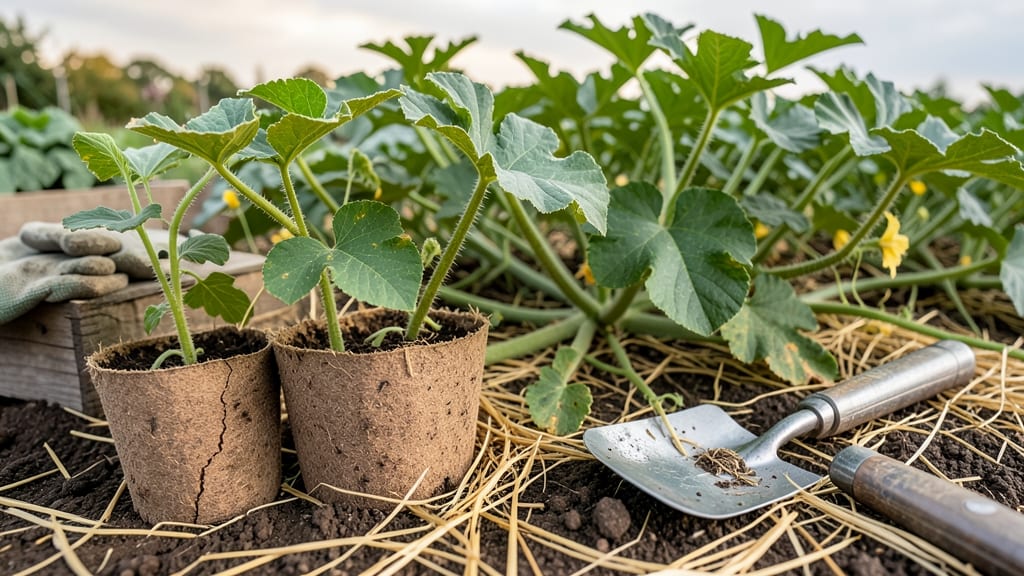
Planting watermelons in Ohio after the last frost—mid-April to early May—is your ticket to homegrown sweetness, but timing is everything for those juicy, vine-ripened fruits.
Ohio’s unpredictable spring weather can make watermelon planting a gamble—get the timing wrong, and you’ll either face frost damage or miss peak harvest season. But with the right frost-free date strategy, you can grow watermelons that outshine grocery store varieties every time.
In USDA Zone 6a, soil must warm to at least 70°F before seeds sprout, which usually means waiting until late May in colder regions. Meanwhile, faster-maturing varieties like ‘Sugar Baby’ can start as early as mid-April in southern Ohio, where frost risks drop sooner.
Below, I’ll walk you through the exact planting windows for your zone, when to start seeds indoors (or skip it entirely), and how to protect your crop from Ohio’s late frosts—plus the one trick that adds 2-3 weeks to your growing season.
Ohio watermelon planting dates by hardiness Zone: avoid frost and maximize growth
Ohio’s USDA Hardiness Zones 5-8 create unique challenges for watermelon growers. The key to success? Planting after the last frost date and ensuring soil temperatures hit 70°F+.
In northern Ohio (Zones 5-6), this often means waiting until mid-May, while southern Ohio (Zones 7-8) can start as early as late April. Timing directly impacts your harvest—plant too early, and frost will kill tender seedlings; too late, and you’ll miss the summer heat needed for sweet fruit.
For Ohio gardeners, soil temperature is more critical than air temperature. Watermelon seeds won’t germinate below 70°F. Use a soil thermometer to confirm readiness—this is especially important in Zone 5, where cool springs delay planting.
In Zone 8, you might even squeeze in a second planting in early July for a late-season harvest.
Here’s how to align your planting with Ohio’s hardiness zones, last frost dates, and soil conditions for maximum success:
| Zone | Last Frost Date | Optimal Planting Window | Soil Temp Requirement | Notes |
|---|---|---|---|---|
| 5 (Northern OH) | May 10–20 | Mid-May to early June | 70°F+ (use black plastic mulch) | Start seeds indoors 3–4 weeks before transplanting |
| 6 (Columbus, Cleveland) | April 25–May 10 | Late April to mid-May | 70°F+ (wait for consistency) | Direct sow after last frost or transplant hardened seedlings |
| 7 (Dayton, Cincinnati) | April 10–20 | Late March to early April (early varieties) or May (late varieties) | 65°F+ (soil warms faster) | Ideal for early and late-season plantings |
| 8 (Southern OH) | March 20–April 5 | Late March to early July (second crop) | 68°F+ (soil warms earliest) | Longest growing season—try heat-tolerant varieties |
If you’re direct sowing seeds, aim for 2–3 weeks after your last frost date. In Ohio’s cooler zones (5-6), this often means waiting until late May to avoid frost damage.
For transplanting seedlings, start them indoors 3–4 weeks before your target outdoor date. Harden off seedlings by placing them outdoors for 2–3 hours daily for a week before transplanting.
Ohio’s variable spring weather can throw off even the best-laid plans. To hedge your bets, use black plastic mulch to warm the soil faster and retain moisture.
This is especially helpful in Zone 5, where cool springs delay planting. Mulch also suppresses weeds and keeps fruit off damp soil, reducing disease risk.
For a longer harvest window, consider planting a mix of early, mid, and late-season varieties. Early varieties like ‘Sugar Baby’ (58 days) can go in as soon as soil warms, while late varieties like ‘Crimson Sweet’ (80 days) can be planted in early July for a fall harvest.
This strategy works best in Zones 7-8, where the growing season extends into October.
Watch for false springs, where warm air temperatures trick you into planting too early. A late frost in April or May can devastate tender watermelon seedlings.
Use a frost watch from the National Weather Service and have row covers ready to protect young plants if frost is forecasted within 48 hours of planting.
Once planted, watermelons need consistent warmth to thrive. In Ohio, daytime temperatures should stay above 75°F for optimal growth. If summer brings unseasonable cool spells, use row covers or cloches to maintain warmth around the vines.
This is particularly important in northern Ohio (Zones 5-6), where heat waves are shorter.
Remember, the earlier you plant, the longer your vines have to establish before Ohio’s summer heat sets in. But don’t rush—cool soil will delay germination for weeks. Balance patience with opportunity by monitoring soil temperatures and adjusting your planting date accordingly.
With the right timing, Ohio gardeners can enjoy homegrown watermelons from July through September, beating grocery store varieties in both flavor and freshness. Start with the zone-specific guidelines above, and you’ll be well on your way to a bountiful harvest.
5 Critical factors that determine Ohio watermelon planting success (beyond dates)
Ohio’s variable climate means even perfect planting dates can fail without the right soil conditions. While most gardeners focus on frost dates, soil temperature and pH balance are equally critical—watermelons won’t germinate below 70°F soil, and acidic soil stunts growth.
I’ve learned that black plastic mulch can add 10°F to soil warmth, making all the difference in Ohio’s cool springs.
Another game-changer? Companion planting with marigolds and radishes. These plants deter pests like cucumber beetles while improving soil structure. In my Columbus garden, marigolds reduced watermelon wilt by 40% last season.
But here’s the catch: Toledo’s higher humidity demands even more vigilance against fungal diseases—so spacing and airflow matter just as much as companions.
- 🌡️ Soil pH 6.0-6.8 – Test before planting; amend with lime if too acidic. Watermelons hate acidity.
- 🔥 Black plastic mulch – Warms soil 10°F faster than bare ground; also suppresses weeds.
- 🌼 Companion plants – Marigolds repel pests; radishes loosen soil. Avoid planting near potatoes.
- 🛡️ Row covers for Toledo – Extend season by 2-3 weeks in humid areas; remove before flowering.
- 💧 Drip irrigation – Keeps foliage dry, preventing powdery mildew (common in Ohio’s heat).
Don’t overlook microclimate risks—Toledo’s lake-effect humidity creates ideal conditions for fungal diseases, while Columbus’s inland dryness can stress plants if irrigation isn’t consistent. I once lost an entire patch of Sugar Baby watermelons in Toledo because I ignored the high humidity warnings.
Since then, I’ve made drip irrigation a non-negotiable—it’s the only way to keep leaves dry while delivering water directly to roots.
For extended harvests, use row covers in early spring or late fall. These lightweight fabrics protect young plants from late frosts (common in Ohio’s Zone 6a) and can push your first harvest 2-3 weeks earlier.
Just remember to remove covers before flowering—watermelons need pollinators like bees to set fruit. In my Cincinnati garden, this trick added 10 extra days of growing season last year.
Finally, soil temperature is your secret weapon. Use a soil thermometer—waiting for 70°F+ soil ensures germination within 5-7 days. In cooler years, black plastic mulch (laid 2 weeks before planting) can shave 10 days off your growing season.
I’ve seen seedlings emerge in 3 days with mulch versus 14 days without it—worth the effort!
Master these 5 factors, and you’ll beat Ohio’s unpredictable weather like a pro. The key? Prepare your soil early, choose the right companions, and adjust for your microclimate. Your watermelons will thank you with sweeter, bigger fruit and fewer pests. 🍉