
Pests and Diseases
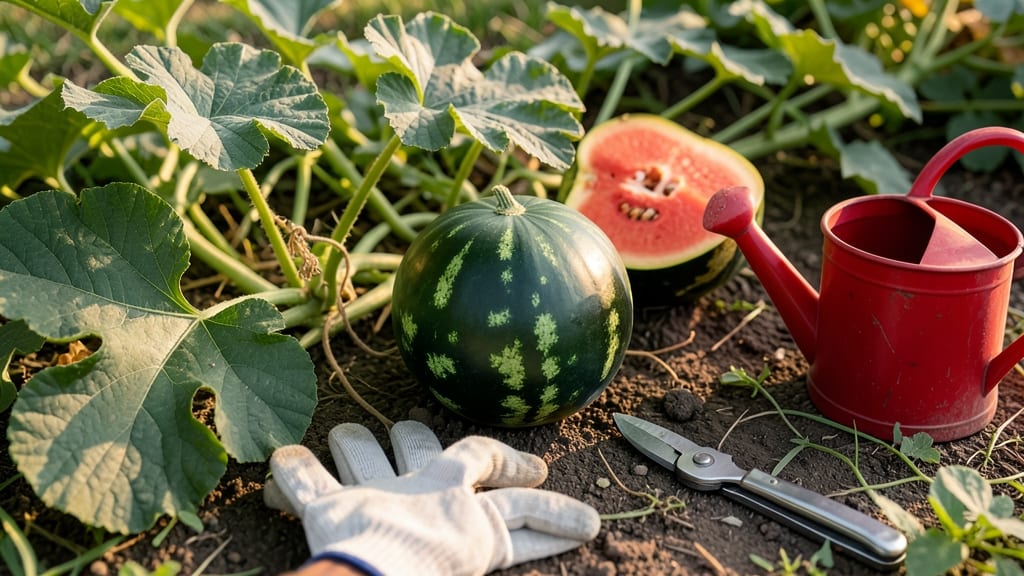
A Sugar Baby watermelon is ready to pick when its ground spot turns cream-colored, the rind resists pressure, and it sounds hollow when tapped—three foolproof checks that guarantee sweetness every time.
Picture this: you’ve been watching your 🍉 Sugar Baby grow for weeks, and now the moment is here. One wrong move, and you could end up with a mealy, underripe fruit—or worse, one that’s already overripe and mushy.
The key? Knowing the exact signs to look for, without cutting into the fruit to check.
Most gardeners wait 75–85 days after transplanting, but heat waves or cool snaps can throw off that timeline. That’s why I’ll walk you through the visual, tactile, and auditory cues that never fail, plus how to adjust for your local climate. No guesswork, just perfect melons.
By the end, you’ll harvest your Sugar Baby at its peak—bursting with flavor and ready to slice into refreshing, juicy wedges. Let’s get started.

3 Field-proven signs a Sugar Baby watermelon is ripe and ready
There’s nothing worse than slicing into a Sugar Baby watermelon only to find it underripe and bland—or worse, overripe and mushy. These small, sweet melons pack a flavor punch when harvested at the perfect moment, but timing is everything.
Unlike larger watermelons, Sugar Babies don’t always follow the same ripening cues, so you’ll need to pay close attention to three key signs to ensure you pick them at peak sweetness.
The good news? You don’t need fancy tools or lab tests. With just your eyes, fingers, and ears, you can determine when a Sugar Baby watermelon is ready to harvest. Start by checking the ground spot—the area where the melon touches the soil.
This is your first clue, followed by the rind’s hardness and the sound it makes when tapped. Master these cues, and you’ll never miss a perfectly ripe melon again.
-
1. Cream-Colored Ground Spot
Look for a cream or buttery yellow spot where the melon rests on the soil. This indicates the sugar content is peaking and the melon is ready. If the spot is still white or green, it’s not ripe yet. -
2. Hard Rind That Resists Pressure
Press your fingernail into the dark green rind. If it doesn’t leave a dent, the melon is ripe. A soft spot means it needs more time. Sugar Baby watermelons have thick rinds, so this test is especially reliable. -
3. Hollow Sound When Thumped
Tap the melon with your knuckles—it should sound deep and hollow, like a drum. A dull thud means it’s still filling with water and not sweet enough. This auditory cue is foolproof for Sugar Babies!
Don’t overlook the tendril nearest the stem—it should turn brown and crispy when the melon is ripe. This is a classic sign, but it’s especially important for Sugar Baby varieties, which mature faster than larger watermelons.
Combine this with the other cues, and you’ll have a foolproof method for harvesting at the perfect time.
One common mistake is waiting too long because the melon looks big enough. Size isn’t everything—a Sugar Baby might reach its full 4-6 inch diameter but still be underripe.
Always double-check the ground spot and rind hardness before picking. Overripe melons lose sweetness and develop a grainy texture, so timing is critical.
If you’re harvesting in hot, dry conditions, the melons may ripen faster. Keep an eye on them daily during heatwaves, as extreme temperatures can accelerate the ripening process. Conversely, in cooler climates, they might take a few extra days. Adjust your checks accordingly to avoid missing the window.
Pro tip: Harvest in the morning when temperatures are cooler. This helps preserve the melon’s sweetness and crispness after picking. Store them in a cool, dry place (not the fridge) for up to a week, but eat them as soon as possible for the best flavor.
The sooner you slice into a perfectly ripe Sugar Baby watermelon, the sooner you’ll experience that sweet, juicy payoff!
Now that you know the signs, grab your gardening gloves and head to the patch. With these three field-proven checks, you’ll never second-guess whether a Sugar Baby is ready again. Happy harvesting!
How to avoid overripe or underripe Sugar Baby watermelons: common mistakes and fixes
Even experienced gardeners sometimes struggle with Sugar Baby watermelons that turn out mushy or bland. The key is understanding how environmental factors and vine health influence ripeness timing. Heatwaves, humidity shifts, and uneven watering can all push your melons toward the wrong texture—here’s how to course-correct.
One of the biggest mistakes is ignoring vine health before harvest. A weak or diseased vine can’t support proper sugar development, even if the melon looks ripe. Check for yellowing leaves, powdery mildew, or wilted vines—these are red flags that your Sugar Baby watermelon may never reach peak sweetness.
If you spot issues, consider harvesting earlier or treating the plant immediately.
Extreme heat is another silent ripeness saboteur. When temperatures soar above 95°F (35°C), watermelons grow faster but develop less sugar. If your area is experiencing a heatwave, shade your plants with row covers or harvest slightly earlier than usual. Conversely, cool, cloudy weather slows ripening—don’t rush to pick just because the days-to-maturity clock is ticking.
⚠️ When Is a Sugar Baby Watermelon Ready to Pick?
Don’t wait for the 90-day mark—check these first:
- Ground spot turns cream-colored (not white or green)
- Tendril nearest fruit is brown and crispy
- Rind is hard to pierce with a fingernail
- Thump test sounds deep and hollow (not dull)
⚠️ Warning: If your melon is still growing rapidly or the vine feels soft, it’s not ready—wait 2–3 more days.
Another common pitfall is overestimating size as a ripeness indicator. While Sugar Baby watermelons typically weigh 4–8 lbs at maturity, some stay small but still pack flavor.
Focus on color uniformity and rind firmness over weight—an underripe melon might be heavy but bland, while an overripe one can be light but mushy.
To adjust harvesting timing, monitor daily temperature swings. If nights stay above 70°F (21°C) consistently, your melons will ripen faster. In cooler climates, extend the growing season with black plastic mulch to speed up maturation.
And always harvest in the morning—melons picked in the heat lose moisture and sugar faster.
Finally, don’t ignore the vine’s signals. A healthy vine will naturally detach the melon’s stem when you gently twist it—this is nature’s way of saying, “Pick me!” If the stem resists, the melon needs more time.
By tuning into these cues, you’ll avoid the heartbreak of overripe or underripe Sugar Baby watermelons and enjoy that perfect, sweet crunch every time. 🍉