
Plants
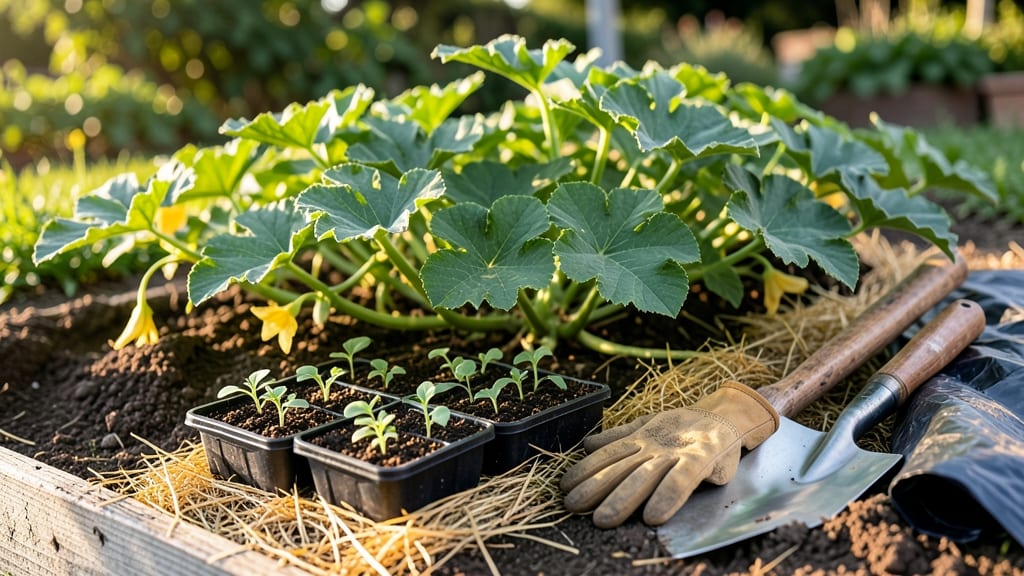
Planting watermelon in Florida at the right time means the difference between a fast, bountiful harvest and a season of frustration.
Florida’s long growing season makes watermelon cultivation a thrilling—but timing-sensitive—endeavor. Plant too early, and your vines may struggle with lingering cool spells; too late, and summer’s brutal heat can stunt growth.
The key is waiting for soil temperatures to hit 70°F or above, when seeds germinate quickly and vines take off.
For most of Florida’s 9a-11 zones, that means aiming for mid-February to early May for spring plantings or late July to early September for fall harvests. But don’t just guess—soil thermometers and local frost-free date maps are your best friends.
In this guide, I’ll break down the exact soil temperature triggers for fast germination, how Florida’s microclimates (North vs. Central vs. South) shift those windows, and the best varieties to pick for your region’s heat and humidity.
Florida watermelon planting calendar: soil temperature triggers for fast germination
Florida’s unique climate offers two prime windows for planting watermelon seeds: spring and fall. Unlike northern states, Florida’s frost-free zones (9a-11) eliminate winter dormancy concerns, but soil temperature remains the critical factor.
Watermelons germinate best in soil between 50°F–60°F, but for rapid vine growth, aim for 70°F+. Timing wrong can lead to stunted plants or poor fruit set.
Most Florida gardeners focus on spring planting (February–April) and fall planting (July–August). However, northern Florida (Zone 10a) faces rare frost risks in January–February, while southern Florida (Zone 11) can plant almost year-round. The key? Soil thermometers—they’re your best tool for precision planting.
🌱 Critical Note: Watermelons hate cold soil. If you plant too early, seeds rot before sprouting. If you wait too long, vines struggle with summer’s intense heat and may produce bitter fruit. Florida’s humidity also increases disease pressure when planting outside optimal windows.
Here’s your Florida Watermelon Planting Calendar broken down by region and soil temperature triggers:
| Region | Optimal Planting Window | Soil Temp for Germination | Harvest Window | Key Risks |
|---|---|---|---|---|
| North FL (Zone 10a) | Mid-February–Early April | 55°F–65°F (use row covers) | May–July | Late frost, slow growth |
| Central FL (Zone 9b) | Late February–Mid-April | 60°F–70°F (ideal) | June–August | Heat stress if planted late |
| South FL (Zone 11) | January–March or July–August | 65°F–75°F (year-round) | March–May or Sept–Nov | Pests/diseases if overwatered |
| Fall Planting (All Regions) | Late July–Early September | 70°F+ (critical for growth) | September–November | Hurricane season delays |
For spring plantings, northern Florida gardeners should start seeds indoors in early February (using heat mats) and transplant after soil warms to 65°F+.
Central and southern Florida can direct-sow in late February–March once soil hits 60°F–65°F. Fall plantings are riskier—aim for July–early August to avoid hurricane season disruptions.
Pro tip: Use a soil thermometer to confirm readiness. If your soil is below 50°F, wait—even if the air feels warm. Cold soil delays germination by weeks, giving pests and diseases a head start.
I once planted watermelon in April in Central FL with soil at 58°F; germination took 21 days instead of the usual 7–10 days.
Watch out for these timing mistakes:
- Planting too early (before March 15 in North FL) risks rotten seeds or weak seedlings.
- Planting too late (after May 1) exposes vines to summer’s 90°F+ heat, reducing fruit quality.
- Skipping mulch in Florida’s sandy soils causes rapid moisture loss, stressing young plants.
If you’re in Zone 10a or 11, consider year-round planting with shade cloth during peak summer to protect seedlings. For most gardeners, though, sticking to the spring and fall windows ensures the best balance of heat tolerance and disease resistance.
Start seeds indoors 2–3 weeks before transplanting to give them a head start.
🌡️ Final Tip: Monitor your local AgriMet station (University of Florida’s tool) for real-time soil temps. In my Central FL garden, soil temps can swing 15°F in a single week—a therm
How to prepare Florida soil for watermelon success: a step-by-step guide
Florida’s clay-heavy soils and humid climate demand special prep to grow juicy watermelons. The key? A well-aerated, nutrient-rich bed that retains moisture without drowning roots. Start by testing your soil pH—watermelons thrive in 6.0–6.8, and Florida’s native soils often skew acidic or alkaline.
Amend your soil with 2–3 inches of compost or well-rotted manure before planting. This boosts organic matter and improves drainage, which is critical in Florida’s heavy clay. Mix in coarse sand or perlite if your soil feels compacted when squeezed—it should crumble easily.
⚠️ callout warning
Florida gardeners often make the mistake of over-fertilizing with nitrogen for leafy growth, but this delays fruit production and weakens vines. Use a balanced 10-10-10 or 5-10-10 fertilizer instead. Apply it lightly at planting and again when vines start running—never more than 1 tbsp per plant.
Pro Tip: Side-dress with aged compost mid-season for a slow-release nutrient boost without burning roots.
Next, focus on drainage. Florida’s rainy season can turn your garden into a swamp if water pools. Raise beds 6–12 inches high or mound soil in hills to prevent soggy roots.
If planting in-ground, create raised rows with sand or install French drains around the perimeter to redirect excess water.
Mulch is your best friend in Florida’s hot, humid summers. Spread 3–4 inches of straw or black plastic mulch around plants to lock in moisture, suppress weeds, and keep soil temps stable. Black plastic also warms the soil faster in spring plantings, speeding up germination.
Finally, avoid working wet soil. Florida’s frequent rains can turn your garden into mud, compacting roots. Wait until soil is dry enough to crumble before tilling or planting. A soil probe or your finger can test moisture—if it sticks together, wait another day.
With these steps, your Florida soil will be prime for watermelon success, setting the stage for sweet, vine-ripened fruit. Just remember: patience and prep beat shortcuts every time in the Sunshine State! 🌱💧