
Plants
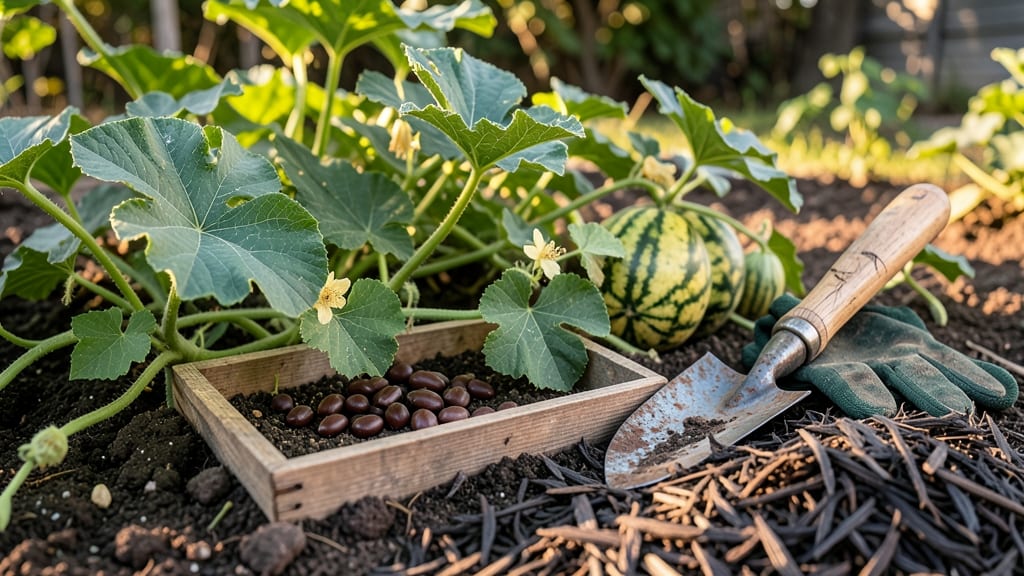
Plant watermelon in Florida between mid-March and early May for spring harvests or late July to early September for late-summer yields, when soil temperatures hit 70°F+.
Florida’s frost-free climate means you can skip the usual waiting game—but timing still matters. Plant too early, and your vines will wilt in the heat; too late, and you’ll miss the sweet spot for ripe fruit by October.
The key? Match your variety to the season and soil conditions to avoid common pitfalls like blossom-end rot or stunted growth.
Whether you’re starting seeds directly or transplanting, this guide breaks down the perfect planting windows by Florida zone, soil prep tricks for sandy soil, and how to stretch your harvest from June through November. No more guessing—just juicy, homegrown watermelons.
Ready to grow? I’ll walk you through the exact steps to plant, nurture, and harvest 🍉—plus the best Florida-friendly varieties that thrive in humidity and heat.
Florida watermelon planting calendar by zone: frost-free dates & heat tolerance
Florida’s frost-free growing season makes it ideal for watermelons, but heat tolerance and soil temperature still dictate the best planting windows. Unlike northern states, you won’t worry about last frost dates, but extreme summer heat (above 95°F) can stress vines.
Here’s how to time your planting by Florida’s three main zones—North, Central, and South—to avoid bolting or poor fruit set.
Watermelons thrive when soil temperatures reach 70°F or higher. In Florida, this typically happens by mid-March in South Florida and late March to early April in North Florida. For a second harvest, aim for late July to early August to escape the peak summer heat.
Each zone also has unique humidity challenges and pest pressures, so adjustments are key.
In North Florida, where humidity is lower but nights can still dip below 60°F, plant Sugar Baby or Crimson Sweet for reliable yields. These varieties handle moderate heat (up to 90°F) but may struggle if planted after mid-June.
Use black plastic mulch to warm soil faster and retain moisture.
Central Florida offers the longest growing season, but July and August heat can cause blossom drop. For a second crop, opt for heat-tolerant varieties like Jubilee or Triple Crown and plant in early August. Avoid late plantings—vines won’t mature before hurricane season or fall rains arrive.
South Florida’s year-round warmth lets you plant as early as February, but extreme heat (above 95°F) stresses vines. Choose Allsweet or Charleston Gray, which thrive in high humidity and intense sun.
For container growing, use 5-gallon pots with well-draining mix to prevent root rot in Florida’s heavy rains.
Pro tip: Use a soil thermometer to confirm 70°F soil temps before planting. In North Florida, cover seeds with row covers at night if temps drop below 65°F. For Central and South Florida, focus on shade during peak afternoon heat (12–4 PM) to protect young vines.
Watermelons need 60–90 days to mature, so calculate backward from your first expected frost (rare in Florida but possible in the Panhandle). For example, if you want a July harvest, plant in early May.
In South Florida, you can even get two crops per year with careful timing!
Remember: Florida’s sandy soils dry out fast, so mulch heavily and water deeply 2–3 times per week. Avoid overhead watering to prevent powdery mildew, a common issue in Florida’s humid summers. With the right timing, you’ll enjoy juicy, vine-ripened watermelons from spring through fall.
🍉
How to adjust planting time for early vs. late varieties in Florida’s climate
Florida’s two distinct watermelon seasons—spring and late summer—require different strategies for early-bearing vs. heat-tolerant varieties. Early varieties like ‘Sugar Baby’ thrive in cooler spring soil, while late-season types such as ‘Crimson Sweet’ handle Florida’s 90°F+ temperatures better.
The key? Adjusting planting dates to match your chosen variety’s heat tolerance and maturity timeline.
For spring plantings, aim to sow seeds when soil reaches 70°F—typically mid-March to early April in North Florida and February to March in South Florida. This timing ensures vines mature before summer’s intense heat causes bolting or blossom-end rot.
Late summer plantings, however, should wait until late July to early August when soil cools slightly after peak summer heat.
Early Varieties (Spring Planting)
Pros:
- Faster harvests (60-70 days)
- Better flavor in cooler weather
- Lower disease risk (fungal pressure)
Cons:
- Limited timeframe (must finish before heat)
- Smaller fruit size in hot transitions
- Risk of bolting if planted too early
Late Varieties (Late Summer Planting)
Pros:
- Extended harvest (October-November)
- Larger fruit in ideal heat
- Heat-tolerant varieties available
Cons:
- Hurricane risk in late summer
- Slower early growth in heat
- Blossom-end rot if water inconsistent
To extend your harvest, consider transplanting seedlings instead of direct sowing. Start seeds indoors 4-6 weeks before your target planting date, then transplant when soil is 70°F+. This method gives you a 2-week head start on vine establishment, critical in Florida’s short growing windows.
For example, transplant ‘Charleston Gray’ in early April (spring) or early August (late summer) for a staggered harvest.
Avoid common mistakes like planting too early in cool soil (below 65°F), which causes seed rot, or overcrowding vines, which leads to poor fruit development. Instead, space plants 3-4 feet apart and use black plastic mulch to warm soil faster and suppress weeds.
Monitor for cucumber beetles, which thrive in Florida’s humidity and can transmit viral diseases.
For bolting prevention, choose day-neutral varieties like ‘Black Diamond’, which produce fruit regardless of daylight length. If you notice vines flowering prematurely, provide afternoon shade during peak summer heat to slow bolting.
Water deeply at the base of plants in the morning to prevent blossom-end rot, a common issue in Florida’s high humidity.
By matching your watermelon variety to Florida’s seasonal heat patterns and adjusting planting times accordingly, you’ll enjoy sweet, ripe fruit from June through November—without the stress of failed harvests or wasted seeds. 🍉