
Plants
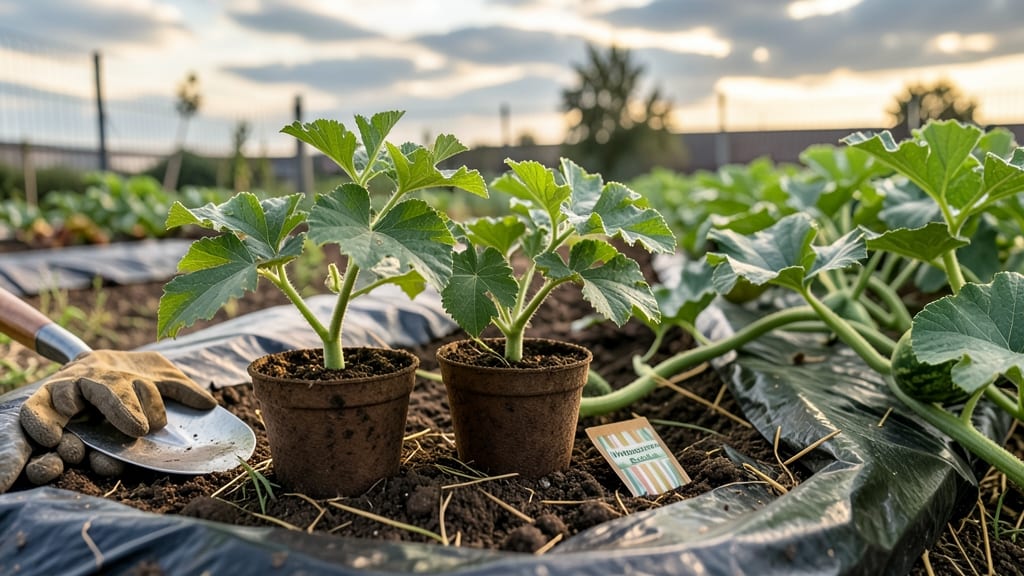
Planting watermelon in Texas at the right time means the difference between a bumper crop and a sad, wilted vine 🍉—and the best window depends on whether you're in North or South Texas.
Texas gardeners know timing is everything—plant watermelon too early, and frost will kill your crop; too late, and the scorching summer heat can stunt growth. But get it right, and you’ll harvest juicy, vine-ripened melons straight from your backyard.
For spring plantings, aim for mid-March to mid-May in North Texas (Zone 8a) or as early as February in South Texas (Zone 10b). Summer plantings, however, shift to late July or early August, when soil temperatures hit the sweet spot of 70°F+.
Below, I break down the exact frost-free windows by region, how to prep soil for maximum yield, and why some gardeners swear by two plantings a year—plus the one trick that keeps vines thriving even in Texas’ brutal summer heat.
Texas heat-Zone planting calendar: exact weeks for watermelon success
Texas gardeners know timing is everything—plant watermelon too early, and frost will kill your crop; too late, and the scorching summer heat can stunt growth. But get it right, and you’ll harvest juicy, vine-ripened melons straight from your backyard.
The key lies in understanding your USDA hardiness zone and soil temperature thresholds, which vary dramatically from North to South Texas.
Watermelons thrive in warm soil (70°F+) and need at least 60-90 frost-free days to mature. In Texas, this means two planting windows: spring (March-May) and summer (July-August). Let’s break down the exact weeks for each region to maximize your harvest potential.
🌱 PRO TIP: Use a soil thermometer to confirm temperatures before planting—cold soil delays germination and weakens seedlings.
| Texas Region | Spring Planting Window | Summer Planting Window | Soil Temp Requirement | Last Frost Date |
|---|---|---|---|---|
| North Texas (Zones 7b-8a) | Week of April 1-15 | Week of July 15-30 | 70°F+ (21°C+) | March 15 |
| Central Texas (Zones 8a-8b) | Week of March 20-April 5 | Week of July 1-15 | 70°F+ (21°C+) | February 28 |
| South Texas (Zones 9a-10b) | Week of February 20-March 10 | Week of June 20-July 10 | 70°F+ (21°C+) | January 15 |
*Adjust planting dates 1-2 weeks earlier for early varieties (60-day maturity) or later for late varieties (90-day maturity).
In North Texas, where frost lingers until mid-March, wait until the second week of April to plant watermelons. This ensures your seedlings aren’t nipped by late frosts while giving them enough time to mature before summer’s peak heat.
For Central Texas, you can start as early as late March, but monitor soil temperatures—cold snaps can still occur.
Gardeners in South Texas have the advantage of an early start, with planting possible as early as late February. However, summer’s brutal heat means a second planting in late June often yields better results. Use shade cloth during extreme heat (above 95°F) to protect young plants.
For early varieties like 'Sugar Baby' (60 days to maturity), you can push planting dates 1-2 weeks earlier than the table suggests. Conversely, late varieties such as 'Crimson Sweet' (90 days) may need a later start to avoid heat stress before harvest.
Always pair your planting window with proper soil prep: watermelons thrive in loose, well-draining soil with a pH of 6.0-6.8. Amend heavy clay soils with compost or sand to improve drainage. In sandy soils, add organic matter to retain moisture.
One final tip: Mulch heavily after planting to conserve soil moisture and regulate temperature. In Texas’ intense sun, mulch can reduce soil temperature fluctuations by up to 10°F, creating a more stable environment for root development.
With these precise planting windows, you’ll avoid both frost and heat-related setbacks, setting your watermelons up for a bountiful harvest. Happy growing! 🌞
How to extend your Texas watermelon season: cold frames, row covers, and succession planting
Watermelons thrive in Texas heat, but cooler zones like North Texas or late-season heat can shorten your harvest window. With the right strategies, you can extend your season by 4-6 weeks—giving you earlier spring melons or fall harvests before frost.
The key? Low-tech solutions like cold frames, row covers, and succession planting tailored to your region.
For North Texas gardeners, frost risk in spring and fall means protecting young plants with row covers or mini greenhouses. Meanwhile, South Texas growers face intense summer heat that can stunt growth—shade cloth and drip irrigation become your best friends.
Let’s break down the step-by-step methods to maximize your watermelon season, no matter where you’re planting in the Lone Star State.
-
🌱 Early Spring Extension (North Texas)
- Plant 4-6 weeks before last frost (typically mid-February) using row covers or low tunnels.
- Remove covers when flowers appear to allow bee pollination.
- Use black plastic mulch to warm soil 5-10°F faster.
-
🌡️ Summer Heat Management (South Texas)
- Install 30-50% shade cloth over vines to reduce soil temps by 10-15°F.
- Water deeply at dawn to prevent heat stress and drip irrigation to keep foliage dry.
- Choose heat-tolerant varieties like 'Sugar Baby' or 'Crimson Sweet'.
-
🍂 Fall Succession Planting (Statewide)
- Sow second planting in late July for fall harvests before frost.
- Use cold frames to delay frost by 2-3 weeks in fall.
- Select fast-maturing varieties (60-70 days) like 'Black Diamond'.
Don’t overlook succession planting—this technique lets you stagger harvests by sowing seeds every 2-3 weeks during the optimal window. For example, in Central Texas, start your first batch in mid-March, then follow up with two more plantings in April to ensure a steady supply.
This works especially well for small gardens where space is limited.
If you’re in North Texas, combine row covers with black plastic mulch for a double protection against late frosts. The mulch warms the soil while the cover shields young plants.
For South Texas, prioritize shade and hydration—watermelons here can bolt (go to seed) prematurely if stressed by heat. A 5-gallon bucket of water per plant during peak summer can make all the difference.
Pro tip: Monitor soil temperature with a soil thermometer—watermelon seeds won’t germinate below 70°F (21°C). In cooler zones, use a clear plastic tunnel to trap heat. For extended fall harvests, cover plants with row covers at night when temps drop below 50°F (10°C).
With these methods, you’ll push your season limits and enjoy watermelons from May through October.
Remember, consistency is key. Whether you’re battling spring frosts or summer scorching, these strategies will help you harvest bigger, sweeter melons for longer. Happy growing! 🌿