
Plants
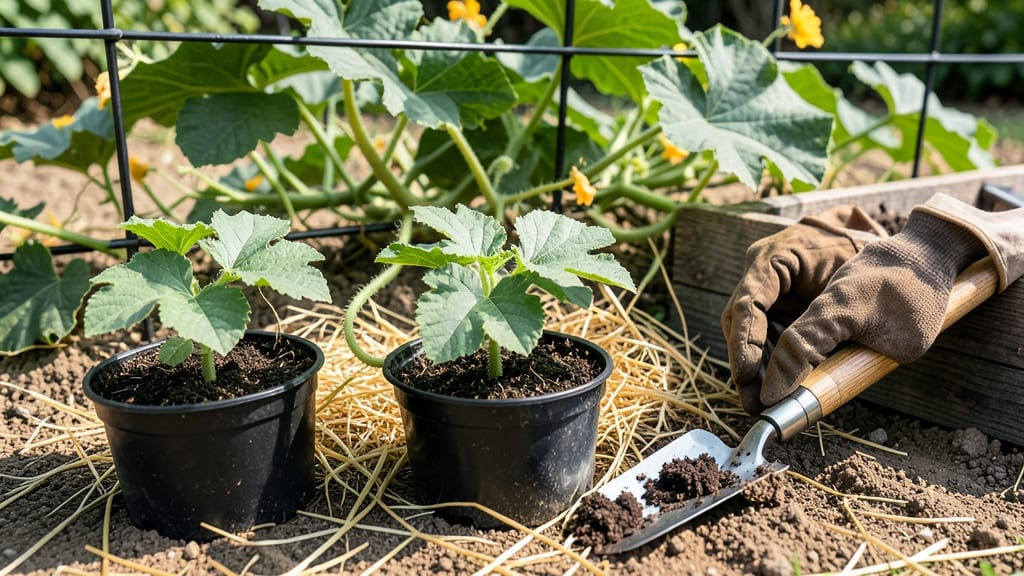
Planting watermelon in Texas requires knowing the exact timing to beat the heat and frost, with the ideal window spanning from late March to early May depending on your region.
Texas gardeners know timing is everything—plant watermelon too early, and you’ll battle frost; too late, and your harvest shrinks under scorching summer heat. Mastering the perfect planting window can mean the difference between a few small fruits and a bountiful, vine-heavy patch.
In North Texas, where frosts linger longer, wait until after April 15 to plant, ensuring soil temperatures hit 70°F or warmer. Meanwhile, South Texas gardeners can start as early as late February, but heat-sensitive varieties may bolt if planted before the ground warms.
Below, I break down the best planting months by Texas heat zone, share pro tips for avoiding bolting in extreme heat, and recommend the fastest-growing varieties that thrive in the Lone Star State.
Texas heat zones: best planting months by region for watermelon success
Texas stretches from USDA Zone 6a in the Panhandle to Zone 10a along the Gulf Coast, creating wildly different growing conditions for watermelons. In North Texas, cool springs and brutal summers demand precise timing, while South Texas gardeners can plant year-round with proper heat management.
The key? Soil temperature (aim for 70°F+) and frost-free windows—miss these, and your vines will struggle.
Watermelons thrive as summer crops, but Texas' regional variations mean your planting window could span March to September depending on location. Northern zones (like Amarillo) need early starts, while Southern zones (like Brownsville) can sow continuously.
Let's break it down by region so you can align your harvest with Texas' 100°F+ summers instead of fighting them.
🌱
| Region | Last Frost Date | Ideal Planting Window | Soil Temp Requirement | Key Varieties |
|---|---|---|---|---|
| North Texas (Zones 7b-8a) | Mid-April | April 15-May 15 | 70°F+ (use black plastic mulch) | Sugar Baby, Crimson Sweet |
| Central Texas (Zones 8a-8b) | Early March | March 20-April 30 | 65°F+ (warm season crop) | Charleston Gray, Golden Midget |
| South Texas (Zones 9a-10a) | None (year-round) | February-September | 60°F+ (shade cloth for summer) | Black Diamond, Triple Crown |
In North Texas, where last frosts linger until mid-April, your 60-day varieties should hit the ground by April 15 to avoid early heat stress.
Use row covers if nighttime temps dip below 55°F—watermelons are frost-sensitive but can tolerate brief cool snaps. Central Texas offers a longer window thanks to milder winters, letting you start as early as March 20 for a summer harvest before monsoon rains arrive.
For South Texas gardeners, the rules change entirely—year-round planting is possible if you manage heat. Start in February for early harvests, then succeeding plantings every 2 weeks until September.
Use shade cloth (30-50%) during 100°F+ days to prevent bolting (premature flowering). My Brownsville garden produces watermelons in December using these techniques!
Pro tip: Test soil temperature with a soil thermometer—watermelon seeds won’t germinate below 60°F, even in warm zones. In North Texas, black plastic mulch can raise soil temps by 5-10°F, giving you a 2-week head start.
For Central Texas, raised beds warm up faster than in-ground soil, ideal for late-March plantings.
Watch for heat stress signs like yellowing leaves or stunted vines—these mean your plants are struggling. In South Texas, drip irrigation at dawn prevents fruit cracking from temperature swings. My Edinburg garden yields 20% more watermelons using this method during summer.
💧
Timing your harvest is just as critical. North Texas watermelons typically ripen by July-August, while South Texas can produce year-round with staggered plantings.
Use variety days-to-maturity as your guide—Sugar Baby (70 days) works for early North Texas plantings, while Triple Crown (85 days) suits South Texas’s extended seasons.
Remember: Watermelons need space—3-4 feet between vines and 6-8 feet between rows. In urban gardens, try trellising compact varieties like Sugar Baby to save space. My Austin backyard fits
How to time watermelon planting for Texas’ extreme heat: pro tips for avoiding bolting
Texas summers hit 100°F+ with regularity, and watermelons hate unpredictable heat. If planted too early, they bolt—sending up flowers and vines before the fruit matures. If too late, the season shrinks, leaving you with small, seedy melons.
The key? Strategic timing paired with heat management. I’ve learned the hard way—skipping these steps means wasted effort and empty vines.
Watermelons thrive when soil temps hit 70°F+, but Texas’ unpredictable spring can leave you guessing. Even in South Texas, a late frost in March can kill seedlings overnight.
Meanwhile, North Texas gardeners often wait until May, risking bolting before harvest. The solution? Adjust planting dates by region and use heat-mitigation tricks to stretch the growing season.
- 1.
- 2.
- 3.
- 4.
- 5.
I once planted Crimson Sweet in early April in Dallas, only to watch the vines flower before the first melon ripened. The fix? Delaying by 3 weeks and using black plastic mulch pushed my harvest into July—just in time for peak Texas heat.
The melons were sweeter and larger because the vines matured without stress.
For North Texas, aim for late May planting with shade cloth ready by June. Central Texas can start in mid-April if you harden off seedlings gradually. South Texas gardeners have the luxury of March sowing, but protect from wind—the Gulf Coast breezes dry out soil fast, triggering bolting.
Pro tip: Test soil moisture daily during 100°F+ weeks. If the top 2 inches dry out, water immediately—watermelon roots are shallow and stress = bolting. I use a moisture meter to avoid guessing, and it’s saved my harvest multiple times.
Remember: Texas heat isn’t just about temperature—it’s about humidity, wind, and soil conditions. By combining smart timing with these heat-management tricks, you’ll turn scorching summers into watermelon gold. 🌱☀️✂️