
Picking
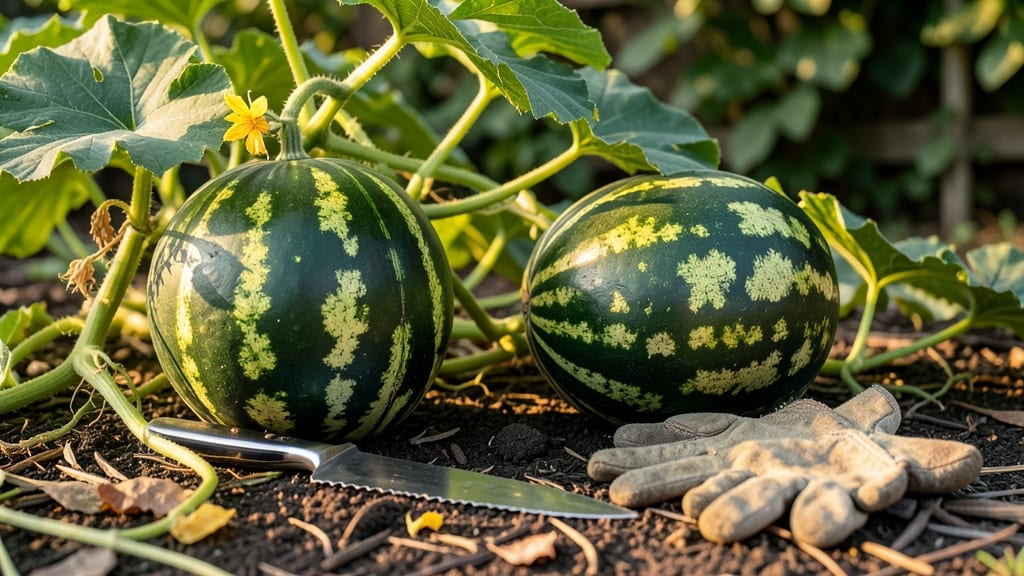
To pick a Sugar Baby watermelon at its peak sweetness, watch for the cream stripe along the rind and a hollow thump when tapped near the stem — these clues mean your 🍉 is ready to harvest.
Picking too early means a bland, watery melon, while waiting too long risks overripeness and pests. The difference between a juicy reward and a disappointing bite often comes down to timing and visual cues.
Beyond the classic stripe and thump test, you’ll also want to check the tendril near the stem — it should turn brown and dry out. Combine these signs with your local climate to nail the harvest window.
In this guide, I’ll walk you through every step, from spotting the perfect melon to storing it for maximum freshness after the pick.

3 Visual signs your Sugar Baby watermelon is ripe for harvesting
There’s nothing quite like biting into a perfectly ripe Sugar Baby watermelon—that burst of sweet, juicy flavor makes every gardening effort worthwhile. But how do you know when your melon is truly ready?
Unlike some fruits that ripen off the vine, watermelons must be picked at peak ripeness for the best taste and texture. The secret lies in three key visual cues that reveal when your Sugar Baby is ready to harvest.
The first mistake many gardeners make is waiting too long or picking too soon. Overripe watermelons turn mushy and lose sweetness, while underripe ones remain hard and bland.
Learning to read these visual signals ensures you harvest at the perfect moment, when the melon is at its sweetest and most flavorful. Let’s break down the three unmistakable signs your Sugar Baby is ready to pick.
🍉 3 Visual Signs Your Sugar Baby Watermelon Is Ripe
Look for a shift from dull green to a creamy yellow or white stripe along the side where the melon rested on the ground. This field spot is your first clue—when it turns pale, the melon is nearing ripeness.
The dark green stripes on the rind should become more defined and slightly lighter in color. A fully ripe Sugar Baby will have stripes that look almost silver or grayish, signaling peak sweetness.
Check the stem near the melon. If it’s dry, brown, and crispy (almost like paper), that’s your final green light. A still-green stem means the melon needs more time on the vine.
The rind color change is often the easiest sign to spot, especially on Sugar Baby watermelons, which are smaller and lighter in color than their larger cousins.
When the field spot (the area that touched the soil) turns from green to white or cream, it’s a clear indicator that the melon has been absorbing sunlight and maturing properly. This change happens because the melon’s chlorophyll breaks down as it ripens, revealing the underlying color.
Pay close attention to the stripe pattern on the rind. For Sugar Baby varieties, these stripes should become more pronounced and lighter in hue. If you’re unsure, run your thumb along the stripe—it should feel slightly firmer and less waxy than an underripe melon.
This texture shift is a subtle but reliable sign that the sugars inside are developing.
Finally, the stem drying is a foolproof indicator that’s often overlooked. The Sugar Baby watermelon vine produces a small tendril near the stem of each melon. When this tendril turns brown and crispy, it’s a signal that the melon has finished growing and is ready to be picked.
This happens because the vine stops sending nutrients to the melon once it’s fully ripe, causing the tendril to dry out.
One common misconception is that size determines ripeness. While Sugar Baby watermelons typically reach 3-5 pounds at maturity, some may stay small even when ripe. Always rely on the visual cues rather than assuming a melon is ready just because it’s reached a certain size.
A small but perfectly ripe Sugar Baby can be just as sweet as a larger one!
If you’re growing your Sugar Baby watermelons in a container or raised bed, these visual signs are even more critical. Limited space can sometimes delay ripening, so keep an extra-close eye on the rind color and stem condition.
Once you spot all three signs, it’s time to harvest before the melon overripens and loses its sweetness.
Pro tip: If you’re unsure, wait another 2-3 days and check again. Overripe watermelons can develop a soft spot or even crack, which ruins their texture and flavor. The goal is to pick your Sugar Baby at the exact moment it’s ready—no earlier, no later.
Once you’ve confirmed ripeness, use a sharp knife or pruners to cut the melon from the vine, leaving about 1-2 inches of stem attached. This helps prevent the fruit from rotting after harvest.
Store your freshly picked Sugar Baby in a cool, dry place (around 50-55°F) to preserve its sweetness for up to 2 weeks.
Now that you know what to look for, you’re ready to enjoy the fruits of your labor. There’s nothing like the satisfaction of slicing into a perfectly ripe Sugar Baby watermelon—sweet, juicy, and bursting with flavor—straight from your own garden. Happy harvesting! 🍉🌱
How to test Sugar Baby watermelon ripeness beyond appearance
While visual cues like rind color and stripe patterns give clues, the real test for Sugar Baby watermelon ripeness lies in touch and sound. These tactile methods help you avoid the common mistake of picking too early—when melons still taste bland and watery.
Let’s explore how to use your hands and ears to nail the perfect harvest.
Start with the thump test, a classic trick that works surprisingly well. Hold the melon near its stem end and give it a firm tap with your knuckles. A ripe Sugar Baby watermelon will sound hollow, like knocking on a drum.
If it thuds like a basketball, it’s not ready yet. This method works best when the melon is off the vine and at room temperature—cold melons can trick you into thinking they’re ripe.
Next, check the stem twist test. Gently grasp the stem near the melon and twist it slightly. If it snaps cleanly with minimal resistance, that’s your cue to harvest. A stubborn stem means the melon needs more time.
This test is especially useful for container-grown Sugar Babies, where visual cues can be harder to spot. Pro tip: Use this test in the morning when the vine is hydrated.
Don’t overlook the weight check, another foolproof way to gauge ripeness. A ripe Sugar Baby watermelon feels surprisingly heavy for its size—almost as if it’s packed with dense, juicy flesh. Lift it in your hands: if it feels light or spongy, it’s underripe.
Pair this with a visual inspection of the field spot (the cream-colored patch where it rested on the ground). A fully ripe melon’s spot will be solid white or pale yellow.
⚠️ callout-warning- Picking based on size alone—small melons can be overripe, while large ones may still be firm and underripe.
- Thumping on hard surfaces—this can crack the rind. Always tap with your knuckles on a soft surface.
- Ignoring the tendril—the vine’s small tendril near the stem should be brown and crispy, not green and flexible.
- Harvesting in extreme heat—melons picked during midday sun can overripen quickly. Wait until early morning for the best flavor.
For container gardeners, combine these tests with a floating method: Place the melon in a tub of water. If it floats with the field spot up, it’s ripe. If it sinks, it needs more time.
This works because ripe melons have less water content in their seeds and rind, making them buoyant. Just be sure to dry the melon thoroughly after the test to prevent rot.
Finally, trust your instincts. If multiple tests point to ripeness but your melon still feels too soft or the stem won’t snap, wait another 2-3 days. Overripe Sugar Baby watermelons develop a mushy texture and fermented smell—far from the crisp, sweet reward you’re after.
When in doubt, pick one melon for testing and let the rest mature further.
With these hands-on techniques, you’ll never second-guess your Sugar Baby watermelon harvest again. The key is patience—let the melon teach you its cues, and you’ll be rewarded with the perfectly sweet, juicy slice every time. Happy harvesting! 🍉