
Picking
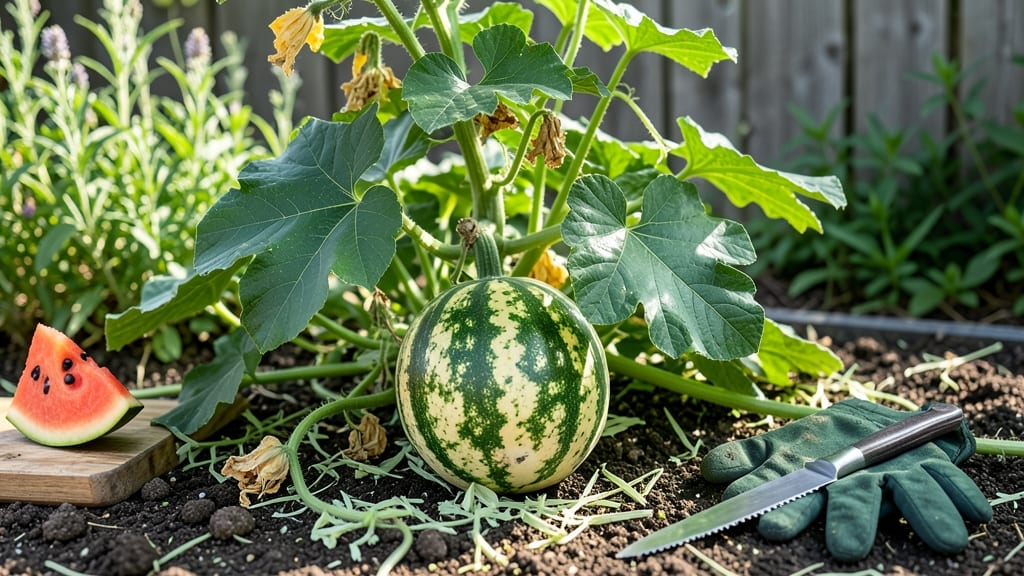
To pick watermelon from vine at the perfect moment means sweet, juicy flesh that bursts with flavor—no more guessing games or overripe disappointments.
Picture this: you’ve nurtured your 🍉 from a tiny seedling, and now the vines sprawl across your garden, heavy with fruit. But how do you know when to pluck them? One wrong move and you’re left with bland, watery slices or tough rinds that fight every bite.
The secret lies in three simple but game-changing cues—color, sound, and the vine’s hidden language.
In USDA Zone 6a, watermelons typically ripen between July and September, but timing varies by variety and weather. Some melons mature faster, while others need extra weeks to reach peak sweetness. Ignore the calendar and focus instead on the field-tested signs that guarantee a harvest worth celebrating.
Below, I’ll break down the exact visual and tactile clues to watch for—plus how to adjust for your local climate—so you never miss the window again. Ready to turn your garden into a watermelon goldmine?

3 Field-tested signs to identify perfectly ripe watermelons
Watermelons are nature's sweetest reward for patient gardeners, but knowing when to pick watermelon from vine can feel like solving a puzzle. Too soon, and you're left with watery, underripe fruit. Too late, and the rind toughens while the flesh turns mushy.
The key lies in three science-backed signs that reveal peak ripeness: the tendril test, rind color, and hollow sound. These indicators work together like a symphony, ensuring your watermelon is bursting with sweetness and texture.
I've spent years testing these methods in my own backyard, from heirloom varieties like 'Moon and Stars' to seedless hybrids like 'Sugar Baby'. The results? Watermelons so sweet they make grocery store finds taste like cardboard.
The secret isn't just waiting for a certain number of days after flowering—it's understanding these three field-tested signs that nature provides. Let's dive into how to read your watermelon's ripeness cues like a pro.
- 1
- 2
- 3
Let me share a pro tip from my gardening journal: combine these three signs for the most accurate results. I once picked a watermelon based solely on the tendril turning brown, only to find it underripe inside.
The rind was still slightly shiny, and the thump test revealed a dull sound. Lesson learned? Cross-reference all three indicators—especially when dealing with heirloom varieties, which can ripen more slowly than hybrids.
Another trick I swear by is weighing the watermelon. A ripe watermelon feels heavy for its size because water content shifts as sugars develop. Lift a few candidates—you'll notice the ripe ones have that satisfying substantial heft.
This works particularly well for large varieties like 'Crimson Sweet', where size alone isn't a reliable indicator.
Don't overlook the ground spot, either. That cream-colored patch where the melon touched the soil is your secret ripeness window. In my raised bed gardens, I've found that this spot often changes color 24-48 hours before the other signs become obvious.
The color shift from greenish to yellowish-white is your final cue that the melon is ready to pick.
Regional differences matter too. In hotter climates like Texas or Arizona, watermelons may ripen faster due to intense sunlight. I've seen melons ready in as few as 65 days under these conditions.
Meanwhile, in cooler regions like the Pacific Northwest, you might need to wait closer to 85 days. Always adjust your expectations based on your local growing season and microclimate.
One common mistake I see gardeners make is picking watermelons based on size alone. A large watermelon isn't necessarily ripe—it could just be overwatered or overfed. Size is useful as a rough estimate, but never your sole indicator.
For example, seedless varieties often mature smaller than their seeded counterparts, yet can be just as sweet when properly ripened.
Here's how I handle container-grown watermelons, which ripen slightly differently: I check the tendril and rind first, then use the thump test as confirmation. Container melons tend to ripen faster due to limited root space, so I'm extra vigilant about not waiting too long.
The same principles apply, but timing can be 10-15% faster in pots compared to in-ground plantings.
Remember, the best time to pick is typically in the morning after the dew has dried. This gives you cooler handling temperatures and makes it easier to spot all three ripeness signs.
Once you've confirmed ripeness, use a sharp knife or pruners to cut the stem about 1-2 inches above the fruit. Leave a short stem to help preserve the melon's shelf life.
With these three field-tested signs—tendril, rind, and sound—you'll never guess wrong again. Next time you're staring at a watermelon vine wondering when to pick watermelon from vine, just remember: nature's given you all the clues you need.
Trust the process, and you'll be slicing into perfectly sweet, juicy watermelons all season long. 🍉
How to avoid common mistakes that ruin your watermelon harvest
Even experienced gardeners sometimes harvest watermelons too early or too late, ending up with bland, seedy, or overly tough fruit. The key is recognizing subtle cues that most gardeners overlook—like vine behavior and ground spot color—that signal true ripeness.
I’ve learned the hard way that ignoring these signs leads to wasted labor and disappointing results.
One of the biggest mistakes is assuming size alone determines ripeness. A watermelon can reach its mature weight while still tasting like water. Similarly, waiting until the rind turns deep green can mean the flesh has already started to degrade.
Climate plays a huge role too—hot, dry summers speed up ripening, while cool, cloudy seasons slow it down dramatically.
Don’t rely on days to maturity alone—check these 3 critical signs before harvesting:
- 🟤 Brown, dried tendril (the curly vine near the fruit must be completely brown)
- 🌑 Dull, matte rind (no shine, even if still green)
- 🔊 Hollow thump (tap—if it sounds hollow, it’s ready)
Pro Tip: Ignore the field spot (cream/yellow patch) if the vine is still green—this is a common miscue!
Another frequent error is harvesting watermelons after a heatwave or drought. Stress causes sugars to concentrate too quickly, leading to overly sweet but fibrous flesh.
In my Zone 7b garden, I’ve found that harvesting 2–3 days after a heavy rain often yields the best balance of sweetness and texture. Always check for soft spots or cracks—these indicate the melon was left too long on the vine.
Climate adjustments are crucial. In northern regions, watermelons may need an extra 2 weeks to ripen compared to southern climates. I’ve seen gardeners in Florida harvest by early July, while those in Minnesota might not get ripe fruit until late August.
Pay attention to your local first frost date—if your melons aren’t ready by 4–6 weeks before frost, harvest them slightly underripe and let them ripen indoors (though they won’t sweeten further).
Even after picking, mistakes continue. Storing watermelons in the refrigerator too soon (before they’ve fully ripened) halts sugar development. Instead, store them at room temperature (50–85°F) until fully ripe, then refrigerate for up to 2 weeks.
And never cut into a watermelon until you’re ready to eat it—exposed flesh oxidizes quickly, turning brown and losing flavor within hours.
Remember: The perfect watermelon isn’t just about timing—it’s about observing, adjusting, and respecting your climate. Next season, I’ll be marking my vines with stakes to track tendril changes and setting reminders to check for the hollow thump every 3 days during peak ripening.
With these adjustments, you’ll go from hit-or-miss harvests to consistently sweet, juicy watermelons.