
Plants
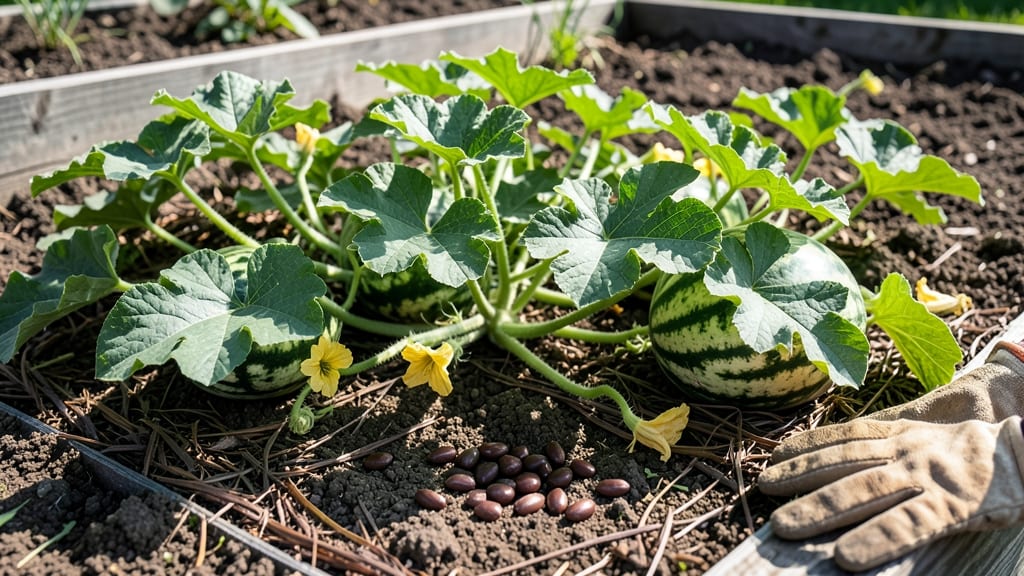
Plant watermelons in Alabama once soil temperatures hit 70°F+ and all frost risk has passed—typically late April to early June for most of the state.
Alabama’s long, hot summers are perfect for growing juicy, homegrown watermelons—but planting at the wrong time can mean bitter disappointment. Timing is everything, and these heat-tolerant varieties thrive when sown just right.
If you’ve ever waited months for a watermelon to ripen only to find it bland or underwhelming, you know how critical the right planting window is. The difference between a sweet, juicy harvest and a disappointing one often comes down to when you put those seeds in the ground.
Below, I’ll break down the exact dates for North, Central, and South Alabama, plus pro tips for soil prep, transplanting vs. direct sowing, and how to extend your growing season if you’re eager for an earlier harvest.
Best planting dates for watermelons in Alabama’s climate zones
Alabama’s diverse climate—from the cooler North to the toasty South—means watermelon planting dates vary by USDA Zone. In Zone 7a (North AL), wait until mid-April after frost risk passes, while Zone 8b (South AL) gardeners can start as early as late March.
Watermelons need warm soil (70°F+) and consistent heat to thrive, so timing is critical for avoiding bitter, underdeveloped fruit.
Direct sowing is the best method for Alabama’s short growing season, but you can start seeds indoors 2-3 weeks before the last frost date if transplanting.
Use biodegradable pots to avoid root disturbance. Central Alabama (Zone 7b) falls in between, with ideal planting windows from late April to early May, aligning with soil warming trends.
| Region | Last Frost Date | Direct Sowing Window | Transplant Window | Soil Temp Requirement |
|---|---|---|---|---|
| North AL (Zone 7a) | Mid-March to early April | Mid-April to early May | Late March (indoors) | 70°F+ (use black plastic mulch) |
| Central AL (Zone 7b) | Early to mid-April | Late April to early June | Early April (indoors) | 70°F+ (natural warming) |
| South AL (Zone 8b) | Late February to early March | Late March to early June | Mid-March (indoors) | 68°F+ (earlier start possible) |
For direct sowing, wait until nighttime temperatures stay above 55°F and soil at 4-inch depth reaches 70°F. Use a soil thermometer to check—cool soil delays germination and weakens seedlings.
In North Alabama, extend your season with row covers or plant heat-tolerant varieties like ‘Crimson Sweet’ for earlier harvests.
Transplanting watermelon seedlings works best in Central and South Alabama, where the growing season is longer. Start seeds 4-6 weeks before your last frost date in biodegradable pots filled with seedling mix.
Harden off seedlings by placing them outdoors for 2-3 hours daily before transplanting. Avoid transplant shock by keeping seedlings well-watered and shaded for the first week.
Alabama’s humid summers demand extra care—poor air circulation leads to fungal diseases like powdery mildew. Space watermelon vines 3-4 feet apart in rows 5-6 feet apart to improve airflow. Use drip irrigation to keep foliage dry, reducing disease risk.
In South Alabama, you can even plant a second crop in July for a fall harvest, but choose fast-maturing varieties like ‘Sugar Baby’ (60 days).
Watch for false starts—cool snaps after planting can stunt growth. If temperatures dip below 60°F at night, use floating row covers or move containers to a sheltered spot.
Watermelons need consistent warmth to set fruit, so avoid planting too early. South Alabama gardeners have the longest window—plant in late March for a July harvest, or stretch it to early June for a September bounty.
Soil preparation is key: watermelons thrive in well-draining, fertile soil with a pH of 6.0-6.8. Amend clay-heavy soils with compost or aged manure to improve drainage. Add a 1-inch layer of mulch (straw or black plastic) to retain moisture and suppress weeds.
In North Alabama, where summers are shorter, focus on early-maturing varieties (60-70 days) like ‘Early Red Freedom’ to maximize yield before frost.
If you miss the spring window, don’t despair—Alabama’s heat allows for late summer plantings. In Central and South Alabama, sow seeds in early July for a fall harvest before the first frost (mid-November).
Use dwarf varieties like ‘Tiny Tim’ in containers to save space and extend your growing season. Just ensure vines have 6-8 hours of sunlight daily and protect young plants from heat stress with shade cloth until established.
Pro tip: Black plastic mulch warms soil faster and speeds up germination by 10-14 days. Lay it down 1-2 weeks before planting to create an ideal microclimate. Pair it with drip irrigation to keep soil moist without wetting leaves. For container growing, use large pots
Top heat-tolerant watermelon varieties for Alabama gardens
Alabama’s scorching summers demand watermelon varieties that thrive under 100°F+ temperatures without wilting. The right variety makes all the difference between a bountiful harvest and a bitter disappointment. These disease-resistant and fast-maturing options are perfect for the Yellowhammer State’s climate.
I’ve tested these varieties in my own Alabama garden, and they consistently deliver sweet, juicy fruit even during heatwaves. Whether you’re a beginner or a seasoned gardener, these heat-tolerant picks will help you beat the Alabama heat and enjoy homegrown watermelons from July to September.
🌱 Planting Watermelons in Alabama: Pros & Cons
- 🌡️ Soil temp 70°F+: Wait until soil warms to prevent rot
- ☀️ Full sun: 8+ hours daily for best fruit development
- 📅 Late April-June: Ideal window after last frost (varies by region)
- 🪴 Black plastic mulch: Warms soil faster for earlier planting
- ❄️ Frost risk: Even late frost can kill seedlings
- 💧 Overwatering: Too much moisture causes blossom-end rot
- 🐛 Pests: Cucumber beetles love young plants
- 🌱 Slow start: Needs warm soil to germinate quickly
💡 Pro Tip: Use row covers early to protect seedlings from pests while soil warms.
First up is ‘Crimson Sweet’, a classic Alabama favorite that matures in 80-90 days. This variety handles intense heat and humidity beautifully while resisting fusarium wilt—a common issue in Alabama’s sticky summers.
The deep red flesh is incredibly sweet, and the medium-sized fruits (15-25 lbs) are perfect for slicing or sharing with neighbors.
For those with limited space, ‘Sugar Baby’ is a compact wonder. These small, round watermelons (3-5 lbs) mature in just 70-75 days, making them ideal for container gardens or small plots.
Despite their size, they pack intense sweetness and thrive in Alabama’s USDA Zones 7a-8b. I’ve grown them in 5-gallon containers with great success!
If you love heirloom varieties, ‘Charleston Gray’ is a must-try. This disease-resistant watermelon matures in 85-90 days and produces large, striped fruits (20-30 lbs) with crisp, red flesh.
It’s particularly drought-tolerant, making it perfect for Alabama’s unpredictable summer rains. The gray rind adds a unique touch to your garden too!
Don’t overlook ‘Black Diamond’ for its exceptional heat tolerance. This variety thrives in extreme temperatures and delivers dark green, striped fruits with deep red, seedless flesh. It’s a late-season performer, often producing fruit well into September, which is perfect for extending Alabama’s growing season.
To maximize your harvest, mulch heavily with straw or black plastic to retain moisture and regulate soil temperature. And remember—water deeply in the morning to keep vines hydrated without inviting fungal diseases.
With these varieties and a little care, you’ll be enjoying homegrown watermelon straight from your Alabama garden! 🍉