
Plants
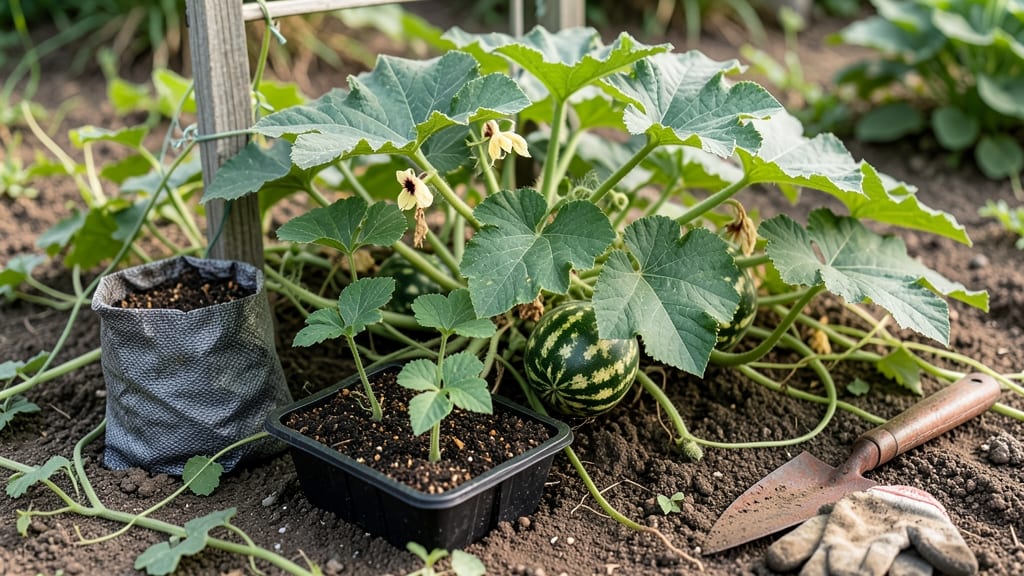
To plant watermelons in Texas, aim for late March to early April in most regions — after the last frost but before the soil heats up past 85°F.
Texas gardeners know timing is everything — plant too early, and your 🌱 watermelon seedlings will bolt in the summer heat; too late, and you’ll miss the growing season entirely.
The key is balancing frost risk with heat tolerance, especially in North Texas where nights can still dip into the 40s.
This guide breaks down the exact planting windows by region, from the Panhandle’s cooler springs to South Texas’s early starts. You’ll also learn which heat-resistant varieties (like 'Crimson Sweet') handle Texas summers best and how to extend your harvest with mulching and succession planting.
Skip the guesswork: discover the 3-step soil prep that cuts transplant shock, companion plants that boost yields, and when to stop watering to sweeten those melons faster.
Best planting dates for watermelons in Texas by region
Texas' diverse climate means North Texas, Central Texas, and South Texas each have unique planting windows for watermelons. The key is planting when soil temperatures reach 70°F+—watermelons won’t germinate in cooler soil.
In Texas, this typically aligns with mid-April to early June, but exact dates vary by region. Early varieties need a head start, while heat-tolerant types can wait until late spring.
For North Texas (USDA Zones 7b-8a), the last frost date usually falls around March 15. This means you can start seeds indoors 4-6 weeks before your last frost date or plant directly outdoors after April 15.
Use black plastic mulch to warm the soil faster and extend your growing season. If you’re planting late varieties, aim for May 1 to avoid summer’s brutal heat.
In Central Texas (Zones 8a-8b), you’ve got more flexibility. The last frost typically occurs around March 1, so you can start planting outdoors as early as mid-March for early varieties or wait until April 15 for a more reliable harvest.
Central Texas’ hot summers mean shade cloth can help protect young plants from scorching. For a fall crop, consider succession planting in late summer.
South Texas (Zones 9a-9b) is the most forgiving—no frost risk means you can plant watermelons year-round, but the best windows are February to May and August to September.
The heat is intense, so focus on heat-resistant varieties like 'Sugar Baby' or 'Charleston Gray.' Avoid planting in peak summer (June-July) unless you’re using drip irrigation and shade to prevent stress.
Here’s a quick reference for your region’s planting timeline:
| Region | Last Frost Date | Optimal Planting Window | Soil Temp Requirement | Heat Tolerance Tip |
|---|---|---|---|---|
| North Texas (Zones 7b-8a) | March 15 | April 15–May 1 | 70°F+ | Use black plastic mulch to warm soil faster |
| Central Texas (Zones 8a-8b) | March 1 | Mid-March–April 15 or August–September for fall crop | 70°F+ | Shade cloth for young plants in summer |
| South Texas (Zones 9a-9b) | None | February–May or August–September | 70°F+ | Focus on heat-resistant varieties like 'Sugar Baby' |
For early varieties, like 'Sugar Baby' or 'Crimson Sweet,' start seeds indoors 4-6 weeks before your region’s last frost date. Transplant seedlings outdoors after all danger of frost has passed, and the soil is at least 70°F.
If you’re planting directly outdoors, wait until the soil is warm enough—stick a soil thermometer in the ground to check. Pro tip: Watermelons love warmth, so avoid planting before April unless you’re using row covers or cold frames.
In Central and South Texas, you can also try succession planting for a fall harvest. Start seeds indoors in late July and transplant outdoors in August. This gives watermelons enough time to mature before cooler temperatures arrive.
Just be sure to monitor soil moisture—fall rains can lead to fungal issues if the soil stays too wet.
One common mistake Texas gardeners make is planting watermelons too early and hoping for the best. Seedlings won’t survive if nighttime temperatures drop below 55°F. Instead, use row covers or wait until the soil is consistently warm.
Another tip: Plant after Memorial Day in North Texas for the best results—this aligns with peak soil warmth and avoids late-spring frosts.
If you’re in a hotter microclimate (like the Rio Grande Valley), consider drip irrigation to keep roots cool and mulch heavily to retain moisture. Watermelons need 1-2 inches of water per week, but too much water can split the fruit.
Balance is key—especially in Texas’ unpredictable humidity and intense sun.
Finally, keep an eye on the 75-90 day maturity window for most varieties. If you plant too late, your melons may not ripen before frost (in North/Central Texas) or extreme heat (in South Texas).
Adjust your planting dates based on your specific variety’s days to maturity—some, like 'Black Diamond,' mature faster in heat.
Heat-resistant watermelon varieties that thrive in Texas summers
Texas summers can be brutal, but with the right heat-resistant watermelon varieties, you can still grow sweet, juicy melons that survive the 100°F+ temperatures.
The key is selecting varieties bred for drought tolerance and high heat endurance. These top performers deliver consistent yields even when other plants struggle.
My favorite Texas-proven watermelon varieties include Crimson Sweet, Sugar Baby, and Black Diamond, each offering unique benefits. Whether you prioritize quick maturity, drought resistance, or rich flavor, there’s a perfect match for your garden. Let’s dive into the specifics to help you choose wisely.
🌱 Summary Table: Heat-Resistant Watermelon Varieties for Texas
Sugar Baby is my top recommendation for Texas heat because it matures in just 70-80 days, making it ideal for late spring plantings. Its small size also means it requires less water, which is a huge plus during droughts. For those who love seedless watermelons, Black Diamond is unmatched—it thrives in extreme heat and delivers a rich, deep flavor that’s hard to beat.
If you’re growing watermelons in South Texas, where temperatures soar earlier, opt for Jubilee or Sugar Baby. Both handle 100°F+ days with ease and produce consistently sweet fruit.
For North Texas, where summers are long but slightly cooler, Crimson Sweet is a reliable choice with a classic flavor that appeals to everyone.
Pro tip: Plant heat-tolerant varieties after the last frost date, typically mid-April to May in most of Texas. Use black plastic mulch to warm the soil faster and retain moisture, which is especially helpful during Texas’ scorching summers. With the right variety and