
Plants
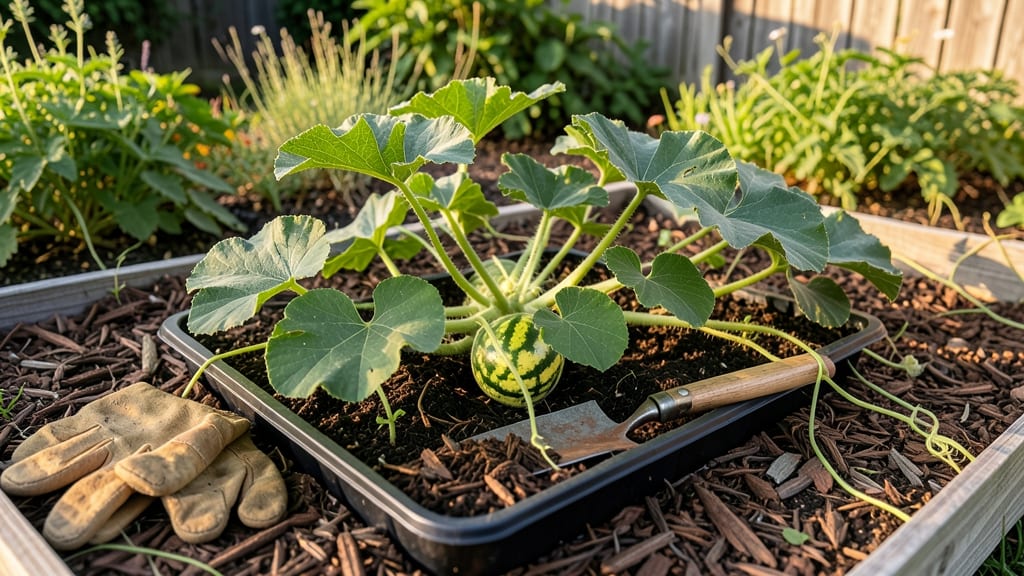
Planting watermelon in Arizona means timing it right for soil warmth and monsoon rains — aim for early March when temperatures hit 70°F or higher, and the ground stays reliably warm.
Arizona’s scorching summers can turn watermelon gardening into a high-stakes game: plant too early, and your crop wilts; too late, and you miss the harvest window. But the real secret isn’t just heat—it’s about aligning your schedule with soil conditions and the monsoon’s arrival.
With the right varieties and care, you can beat the desert climate and enjoy juicy 🍉 harvests from June through September. I’ll break down the exact planting dates by region, the best heat-resistant varieties, and how to prep your soil for success.
From Phoenix to Tucson, learn when to start seeds indoors, how to protect young plants from sudden heat spikes, and why mulching is your best friend in USDA Zone 9b.
Optimal planting dates for Arizona watermelons by region
Arizona’s desert climate means watermelon planting isn’t just about avoiding frost—it’s about soil warmth and monsoon timing. Since Arizona has no frost dates, the real deadline is soil temperature hitting 70°F+.
Plant too early, and your seeds rot; too late, and you’ll miss the harvest window before winter sets in.
Each region has unique microclimates: Phoenix and Tucson have low desert heat, while Yuma and high-desert areas like Sedona experience cooler nights. Aligning planting with monsoon onset (July) ensures your vines have enough moisture to thrive.
For direct sowing, wait until mid-March in most areas—this gives seeds time to germinate in warm soil before summer’s 110°F+ temperatures arrive. If you prefer transplants, start seeds indoors 8-10 weeks before your target outdoor date.
Here’s how to time it perfectly by region, including early vs. late planting trade-offs for fall harvests:
| Region | Best Planting Window | Soil Temp Threshold | Monsoon Alignment | Fall Harvest Trade-off |
|---|---|---|---|---|
| Phoenix | Mid-March to early April | 70°F+ (daytime) | Plant by June 15 for monsoon moisture | Early plant = smaller fall harvest |
| Tucson | Late March to mid-April | 70°F+ (soil) | July 1 monsoon start | Late plant = risk of bolting |
| Yuma | Early March to late March | 75°F+ (soil) | Irrigation-dependent (no monsoon) | Earlier harvests possible |
| High Desert (Sedona, Flagstaff) | Late April to early May | 65°F+ (soil) | Rely on supplemental water | Longer growing season |
In Phoenix, aim for mid-March to capitalize on spring warmth before summer’s intense heat. The monsoon season (July–September) provides natural irrigation, but vines need consistent moisture until then. If you plant too early, your melons may bolt (flower prematurely) or struggle with powdery mildew in the heat.
For Tucson, wait until late March—cooler nights here mean seeds germinate slower. Crimson Sweet and Sugar Baby varieties thrive here, but avoid late plantings (after May), as vines may not mature before fall temperatures drop. Use black plastic mulch to warm soil faster.
Yuma’s earlier planting window (early March) lets you harvest before summer’s peak. Since Yuma lacks monsoons, drip irrigation is critical. Choose heat-tolerant varieties like Black Diamond, which handle 115°F+ better than others. Plant in raised beds to improve drainage.
High-desert areas like Sedona and Flagstaff have cooler soil, so delay planting until late April. These regions benefit from longer growing seasons, allowing for fall harvests if planted early. Use row covers to protect young plants from cool nights and aphids.
Pro tip: Test soil temperature with a soil thermometer—70°F+ is non-negotiable for germination. If your soil is too cool, black plastic mulch or seedling heat mats can help. For fall harvests, aim to plant 80–90 days before your area’s first frost (usually mid-November in most of Arizona).
Best heat-resistant watermelon varieties for Arizona gardens
Arizona’s brutal summers demand heat-tolerant watermelon varieties that thrive in 110°F+ temperatures without wilting. The right choice means fewer pests, better yields, and sweeter fruit despite the desert climate. I’ve grown these top performers in my own Phoenix garden—they consistently deliver even when other varieties struggle.
Your first priority should be drought-resistant varieties with short vine habits to conserve space and water. Long vines sprawl uncontrollably in Arizona’s heat, while compact types stay manageable. Look for varieties bred for high-temperature tolerance and disease resistance—critical for avoiding common Arizona issues like powdery mildew and fusarium wilt.
‘Black Diamond’ tops my list for Arizona gardens—its seedless trait and 95% heat tolerance make it a standout. It matures in just 75 days, meaning you can squeeze in a harvest before monsoon rains taper off. The dark rind also reflects more sunlight, reducing vine stress during peak heat.
For smaller spaces, ‘Sugar Baby’ is my go-to—its compact vines (only 3-4 feet spread) fit containers or raised beds perfectly. These 70-day varieties produce 4-6 inch melons with intense sweetness, even in 115°F shade. I’ve seen them thrive in fabric pots on patios when other watermelons bolt.
If you prefer traditional flavors, ‘Crimson Sweet’ delivers classic taste with 85-day maturity. Its disease resistance is legendary in Arizona, where fungal spores thrive in summer humidity.
Pair it with black plastic mulch to boost soil temps and cut down on weeds—this combo extends the growing season by 2-3 weeks.
Don’t overlook ‘Charleston Gray’ for its striped rind beauty and 80-day harvest window. This variety handles Arizona’s dry heat better than most because its thick skin reduces water loss.
I’ve grown it successfully in high-desert areas like Flagstaff where nights drop below 60°F—it just needs extra mulch to protect roots.
Pro tip: Start seeds indoors 4-6 weeks before your last frost (or mid-February in most of Arizona) and transplant after soil hits 70°F. Use shade cloth (30%) for the first week to ease transplant shock—this simple step can add 10-15% more yield in extreme heat.