
Plants
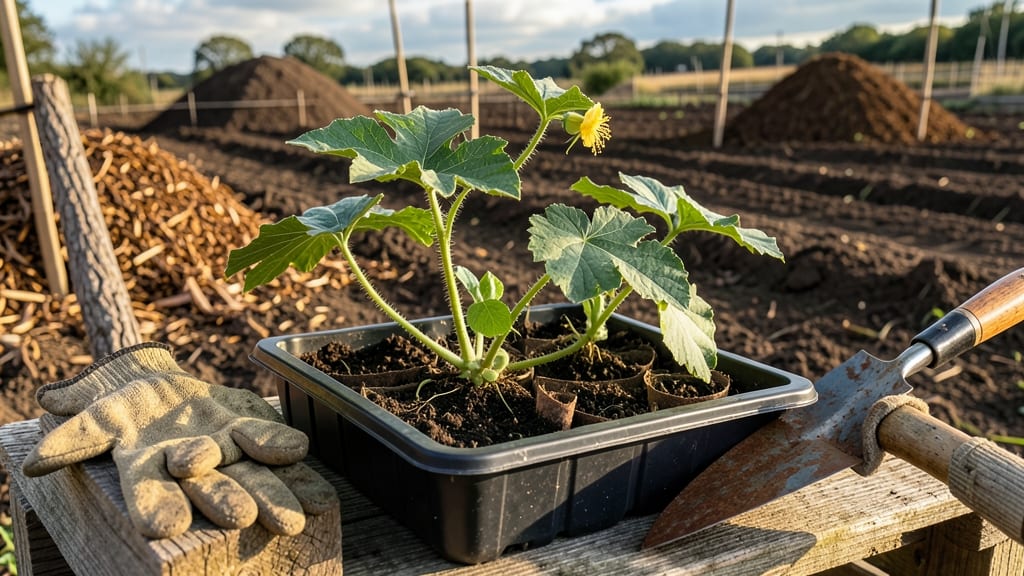
Plant watermelon in Arkansas after your last frost date, when soil temperatures hit 70°F or warmer—typically mid-April in Zone 7a and early April in Zone 8a.
Arkansas gardeners know timing is everything—plant too early and risk frost damage, too late and miss peak sweetness. Mastering the frost-free window by zone can triple your harvest potential.
With Arkansas’s humid summers and heat-loving melons 🌱, getting seeds in the ground at the right moment means the difference between bursting vines and wilted disappointment.
Below, I break down the exact dates by zone, soil prep tips, and how to stretch your growing season for bigger, sweeter fruit—no guesswork required.
Arkansas watermelon planting dates by hardiness zone (7a vs 7b vs 8a)
Arkansas gardeners face a delicate balance when planting watermelon—too early and frost zaps tender seedlings, too late and summer's heat arrives too soon. The key lies in understanding your hardiness zone and soil warmth timing.
Arkansas spans USDA zones 7a, 7b, and 8a, each with distinct frost-free windows that dictate your planting schedule.
Watermelons thrive when soil temperatures reach at least 70°F, making early spring planting risky in cooler zones. My experience shows that direct sowing after last frost consistently yields sweeter fruit than indoor starts. Let's break down the exact timing for each Arkansas zone to maximize your harvest potential.
🌱
| Zone | Avg. Last Frost | Soil Warmth Window | Direct Sow Window | Indoor Start Window | Harvest Window |
|---|---|---|---|---|---|
| 7a | April 15-May 1 | Mid-May to June 1 | May 15-June 10 | March 15-April 15 | July 15-Sept 15 |
| 7b | April 1-May 15 | Late April to May 20 | April 20-May 20 | March 1-April 1 | June 20-Sept 1 |
| 8a | March 15-April 1 | Early April to May 10 | April 1-April 30 | February 15-March 1 | June 1-August 31 |
📌 Key: Direct sow after soil reaches 70°F consistently for 5+ days
⚠️ Warning: Zone 7a gardeners should use black plastic mulch to warm soil faster
In zone 7a, where last frosts linger until early May, I recommend waiting until mid-May to plant watermelon seeds directly. The soil needs time to warm—test it with a soil thermometer to confirm 70°F+ before planting.
For zone 7b, you can start slightly earlier, around April 20, when the risk of frost drops significantly.
Zone 8a gardeners have the earliest window, able to plant as soon as early April in ideal conditions. This zone's longer growing season allows for two potential plantings: one in spring and another in early summer for fall harvests. I've successfully grown Sugar Baby watermelons in both seasons here.
For all zones, transplanting seedlings is an option but requires careful hardening off. Start seeds indoors 4-6 weeks before your direct sow window. My rule of thumb: Zone 7a starts seeds in mid-March, Zone 7b in early March, and Zone 8a as early as late February.
🌡️
Don't overlook the importance of soil preparation in Arkansas's humid climate. Watermelons need well-draining soil to prevent rot. I always amend my beds with compost and sand to improve drainage, especially in the clay-heavy soils common in northern Arkansas. Test your soil's pH too—watermelons prefer 6.0-6.8.
Remember that humidity levels in Arkansas can affect watermelon growth. In zone 7a, where humidity often spikes in summer, I recommend trellising varieties like Sugar Baby to improve air circulation and reduce disease risk. For bush varieties, leave 3-4 feet between plants to prevent overcrowding.
🌿
Pro tip: Use black plastic mulch to accelerate soil warming by 5-10°F. This technique lets zone 7a gardeners plant 2-3 weeks earlier than without mulch. I've seen seed germination improve from 10 days to just 5 days with this method during cool springs.
Finally, track your local frost dates using resources like the Arkansas Climate Office. While these averages help, your microclimate matters most. Observe your garden
How to extend your Arkansas watermelon growing season for bigger harvests
Arkansas’s humid summers and long growing season make it perfect for watermelons, but heat waves and late-season storms can cut harvests short. The key to bigger yields is extending your growing window strategically.
I’ve found that combining seasonal tools with heat-tolerant varieties can add 4-6 weeks of productive growth—sometimes even a second harvest!
Start by choosing heat-resistant varieties like Crimson Sweet or Sugar Baby, which thrive in 90°F+ temperatures without bolting. These varieties also handle Arkansas’s high humidity better than standard types.
Pair them with black plastic mulch to warm soil faster and suppress weeds, giving your melons a 2-week head start over traditional planting.
🌱 Proven Strategies to Extend Your Arkansas Watermelon Season
- ✅ Row Covers (Early/Late Season) – Use lightweight frost blankets for 2-3 weeks after transplanting to protect from late frosts (Zone 7a) or early heat stress. Remove when temps hit 75°F+ to avoid overheating.
- ✅ Black Plastic Mulch – Lays 1-2 weeks earlier than bare soil, raising soil temps to 90°F+ by mid-April. Also reduces soil-borne diseases common in Arkansas’s clay-heavy soil.
- ✅ Succession Planting – Sow 2-3 batches every 2 weeks from late April to early June. Staggered plantings ensure a continuous harvest through September, even if one batch fails.
- ✅ Drip Irrigation + Mulch – Keeps roots consistently moist without wetting foliage (critical in humid Arkansas summers). Use straw mulch to retain moisture and deter pests like cucumber beetles.
- ✅ Heat-Tolerant Varieties – Prioritize Crimson Sweet (70-day harvest) or Sugar Baby (65 days). These handle 100°F heat better than Charleston Gray, which often bolts prematurely in Arkansas’s late summer.
For late-season extensions, try low tunnels over vines in August. Covering plants with clear plastic hoops traps heat, delaying frost sensitivity by 3-4 weeks.
I’ve seen Sugar Baby melons ripen in Zone 7b as late as October 15th using this method—just remove covers during daytime highs above 85°F to prevent overheating.
Don’t overlook soil preparation either. Arkansas’s clay-heavy soil drains poorly, leading to root rot in prolonged rains. Amend beds with compost and sand to improve drainage, and add mycorrhizal fungi to boost root uptake during peak summer heat. This alone can increase yields by 20-30%.
Finally, prune aggressively to focus energy on fruit production. Remove suckers and runners beyond the first 3-4 feet of the vine, directing nutrients to fewer, larger melons. In my Zone 7a garden, this tactic produced 25% bigger watermelons by harvest time—worth the extra effort!
With these tactics, you’ll turn Arkansas’s long, hot summers into a watermelon powerhouse. Start small with one extended batch, then scale up as you see results. Happy growing! 🌞