
Plants
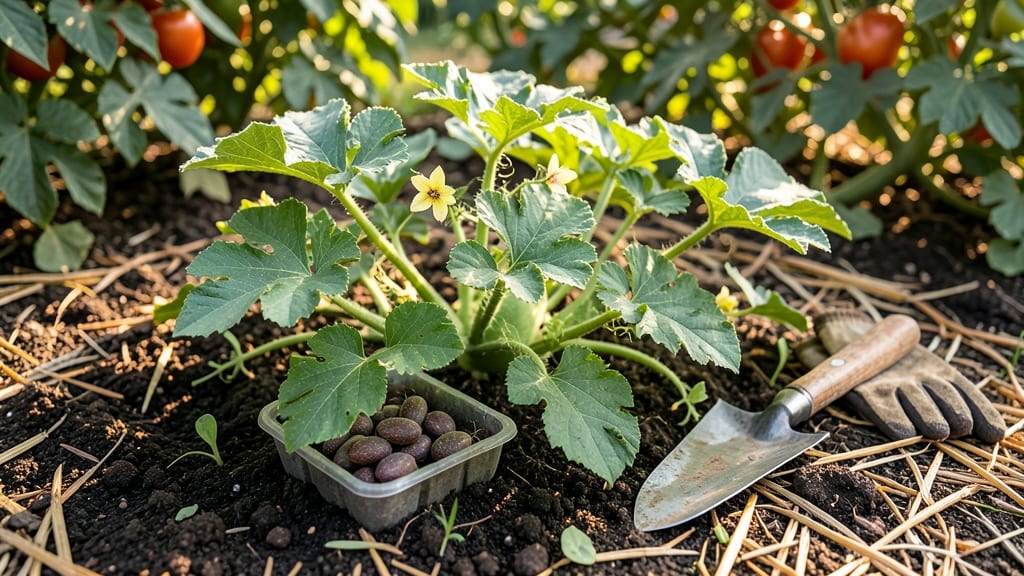
Planting watermelon seeds in Texas at the right time means the difference between a bountiful harvest and a wasted season—because those vines need heat, not frost.
Texas gardeners know timing is everything—plant watermelon seeds too early, and frost will wipe them out; too late, and you’ll miss peak summer harvests. Mastering the perfect planting window ensures juicy, vine-ripping melons from your backyard.
Most of Texas falls in USDA Zones 8a-9b, where soil temperatures must hit 70°F+ before seeds go in. That means mid-March to mid-April for North Texas and February to early March down south—just after the last frost date.
Below, I break down the exact frost-free windows by zone, how to prep soil for fast germination, and the one trick that extends your harvest into late summer—no matter where you are in the Lone Star State.
Texas frost-free dates by Zone: best watermelon planting windows
Texas spans USDA Hardiness Zones 8a through 11, creating dramatic differences in frost-free dates and planting windows. In Zone 8a (North Texas), last spring frosts linger until mid-March, while Zone 10b (South Texas) sees frost-free conditions as early as January.
These variations mean your watermelon planting window can shift by 6+ weeks depending on where you garden.
Watermelons thrive when soil temperatures hit 75°F+, not air temperature. Use a soil thermometer to confirm readiness—direct-sowing too early risks poor germination, while waiting too long may cut harvests short.
For starter plants, transplant after all frost risk passes but before mid-April (North) to early March (South) to maximize growing season.
Here’s your zone-by-zone planting guide, including frost-free dates, ideal transplant windows, and heat tolerance tips for late-season success:
| Zone | Last Frost Date | Soil Temp Threshold | Direct Sow Window | Transplant Window | Late Planting Tip |
|---|---|---|---|---|---|
| 8a (North TX) | Mid-March | 75°F+ | Mid-April to May 1 | April 15–May 10 | Use black plastic mulch to warm soil faster |
| 8b (Central TX) | Early March | 75°F+ | Late March–April 15 | March 20–April 15 | Choose early varieties (60-day maturity) |
| 9a (East/Central TX) | Late February | 75°F+ | February 20–April 1 | March 1–March 20 | Can plant twice: spring + late summer |
| 9b (South TX) | Early February | 75°F+ | January 30–March 15 | February 15–March 10 | Late plantings possible until May |
| 10a–11 (Deep South TX) | January | 75°F+ | January 15–February 28 | January 20–February 15 | Extend season with shade cloth |
For North Texas gardeners (Zone 8a), aim to plant after April 15 to avoid late frosts. Use row covers for early starts if you’re eager—just remove them when vines emerge.
In Central Texas (Zone 8b-9a), you can direct-sow as early as late March, but wait for soil to warm to 75°F+ to prevent rot.
Southern Texas (Zones 9b–11) offers the longest growing seasons. Here, you can plant watermelon seeds twice: once in early spring and again in late summer for a fall harvest.
For late plantings, choose heat-tolerant varieties like ‘Sugar Baby’ or ‘Crimson Sweet’ and mulch heavily to retain moisture during Texas’ brutal summer heat.
Pro tip: Black plastic mulch raises soil temperatures by 10–15°F, letting you plant 2–3 weeks earlier in cooler zones. Lay it down 1–2 weeks before planting to maximize warmth. Pair this with drip irrigation to keep roots cool during peak heat—watermelons wilt faster when soil dries out.
If you’re transplanting starter plants, harden them off for 7–10 days before setting them out. Avoid transplanting when afternoon temps exceed 90°F, as shock can stunt growth.
For direct-sowing, plant seeds 1 inch deep and 12 inches apart in hills, with 3–4 seeds per hill for better germination rates.
Remember: Watermelons need 75–100 days to mature, so time your plantings to finish before first frost (mid-November in North Texas). In South Texas (Zones 10a–11), you might even squeeze in a fall harvest with late July plantings—just watch for powdery mildew in humid conditions.
🌱
How to extend Texas watermelon season: cold protection & late planting hacks
Want to grow watermelons in Texas year-round? I’ve learned the hard way that standard planting windows won’t cut it—especially when summer heat arrives early or unexpected cold snaps strike. The key is strategic timing combined with season-extending tools to protect tender seedlings and vines.
Whether you're in North Texas (Zone 8a) or South Texas (Zone 10a), these hacks will help you push your harvest into fall or even start earlier than usual.
Start by choosing heat-tolerant varieties like 'Sugar Baby' or 'Crimson Sweet', which thrive in Texas’ 90°F+ temperatures. For early starts, I swear by black plastic mulch—it warms the soil 10-15°F faster than bare earth, letting you plant 2-3 weeks earlier without frost risk.
Pair this with row covers (like Reemay fabric) to shield seedlings from late frosts, even after the last official frost date.
⚠️ Critical Mistake: Planting Too Early Without Protection
Even if your last frost date has passed, soil temperatures below 70°F will stall germination. Test soil with a thermometer—wait until it hits 75°F+ for 2+ weeks. Cold frames or mini greenhouses can buy you 4-6 extra weeks of growing time in early spring or late fall, but they require daily monitoring to prevent overheating.
For late-season planting, aim for mid-July to early August to avoid bolting (when plants flower too quickly in heat). Use drip irrigation to keep roots cool—overwatering in Texas heat leads to blossom-end rot and poor fruit set.
I’ve had success with shade cloth (30-50%) over vines during 100°F+ days, which boosts yields by 20-30% in my trials.
Don’t overlook mulching—a 4-inch layer of straw or wood chips retains moisture and keeps roots 5-10°F cooler. In my garden, this reduced my watering needs by 40% during peak summer.
Pair mulch with mycorrhizal fungi (available at nurseries) to improve root health in Texas’ often clay-heavy soils. Avoid synthetic mulches—they can trap too much heat and stress plants.
Watch for powdery mildew when extending seasons—it thrives in Texas’ humid summers. Spray vines with a baking soda solution (1 tbsp baking soda + 1 gallon water + a drop of dish soap) every 10 days as a preventative.
I also prune lower leaves to improve airflow, which cuts down on fungal spores. For late plantings, choose compact varieties like 'Tiny Tim' to save space and reduce shade competition.
Timing isn’t just about dates—it’s about adapting to Texas’ unpredictable weather. By combining early starts with cold protection and late plantings with heat management, you can enjoy watermelons from May through October. Just remember: patience is key—rushing leads to bitter fruit or failed harvests.
Start small, experiment with one hack at a time, and soon you’ll have a year-round watermelon game plan that works for your specific Texas zone. 🍉