
Plants
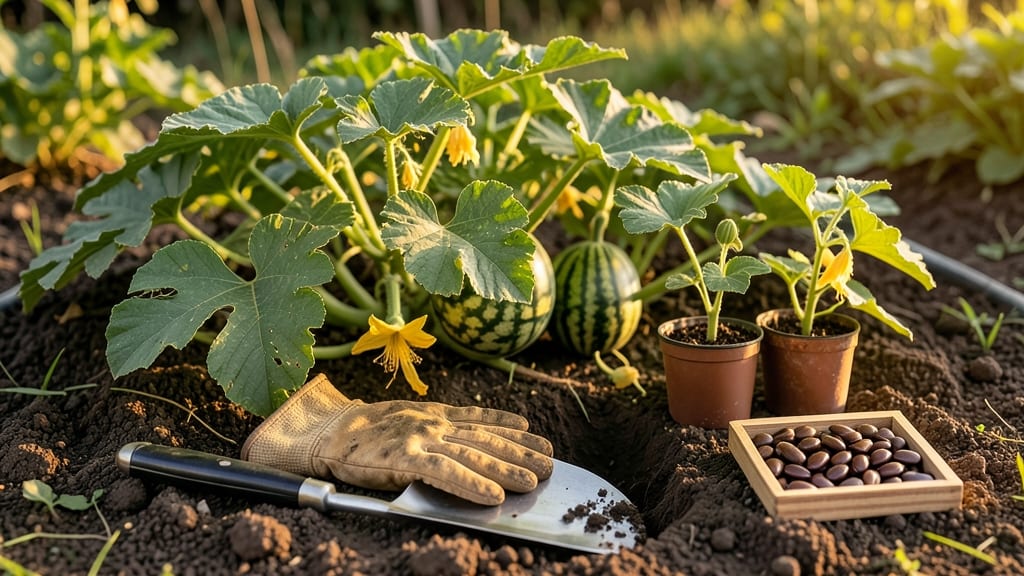
To plant watermelon in Arizona, aim for late February through early April—or September for a fall harvest—when soil temperatures hit at least 70°F.
Arizona’s scorching summers might seem intimidating for watermelon growers, but planting at the right time can actually boost your harvest—yielding sweeter, larger fruits despite the heat.
Timing matters because watermelons need consistent warmth to thrive. Plant too early, and you risk frost damage; too late, and the intense summer sun can stress young plants before they establish roots.
In this guide, I’ll break down the best planting windows for your region, soil prep tips to beat the desert heat, and the top watermelon varieties that thrive in Arizona’s climate.
Best planting windows for Arizona watermelons: avoiding heat stress
Arizona’s intense heat can stress watermelon plants if planted too early, but timing your planting window just right ensures robust growth and sweet harvests. Unlike cooler climates, Arizona’s soil temperature must reach at least 70°F (21°C) before seeds germinate well.
This usually happens in late February to early April for spring plantings, with a second chance in September for fall crops.
Each Arizona region—Phoenix, Tucson, and Yuma—has slightly different microclimates, so adjust your schedule based on local heat patterns. For example, Yuma’s extreme summer heat means fall plantings are safer, while Phoenix’s higher elevation allows slightly earlier spring starts.
Avoid planting during peak monsoon months (July-August), as excess rain can cause rot or fungal diseases.
Direct sowing vs. transplanting also matters. Seedlings struggle in Arizona’s heat, so most gardeners opt for transplants after mid-April, when soil is consistently warm. If you direct sow, use black plastic mulch to warm the soil faster and reduce evaporation. For transplants, harden them off for 7-10 days before setting them out.
Here’s a quick comparison of planting windows by method and region to help you decide:
| Method | Phoenix Window | Tucson Window | Yuma Window | Soil Temp Threshold |
|---|---|---|---|---|
| Direct Sowing | Late March - Early April | Mid-March - Late March | Early April - Mid-April | 70°F+ (21°C+) |
| Transplants | Mid-April - Early May | Late March - Mid-April | Mid-April - Late April | 65°F+ (18°C+) |
| Fall Planting (Direct) | Late August - Early September | Early September - Mid-September | Mid-September - Late September | 75°F+ (24°C+) |
| Fall Planting (Transplants) | Early September - Mid-September | Mid-September - Late September | Late September - Early October | 70°F+ (21°C+) |
🌡️ Pro Tip: Use a soil thermometer to confirm temps before planting!
Spring plantings offer the longest growing season, but late-season watermelons (planted in September) often taste sweeter due to cooler nights. However, rush your fall crop, and monsoon rains in August can delay harvests or cause disease. Aim to harvest by mid-October to avoid rot from prolonged wet conditions.
If you’re in a high-desert area (e.g., Flagstaff), push planting back by 2-3 weeks—cooler nights slow growth. Conversely, low-desert regions (like Yuma) can start earlier but must protect seedlings from 100°F+ days with shade cloth or row covers.
For best results, choose heat-tolerant varieties like Sugar Baby or Crimson Sweet, which handle Arizona’s extremes better than standard types.
Another key factor is water availability. Arizona’s drought conditions mean watermelons need deep, infrequent watering (1-2 inches per week) once established. Mulch heavily with straw or wood chips to retain moisture and keep roots cool.
Without proper hydration, vines wilt, and fruits become small and seedy—a common mistake in Arizona gardens.
For container growing, start transplants in 5-gallon pots by mid-April and move them to larger containers (15+ gallons) as vines spread. Containers dry out faster, so water daily in summer and monitor soil moisture closely.
Elevate pots to improve drainage, as waterlogged roots are a major issue in Arizona’s heavy clay soils.
Finally, watch for heat stress signs like yellowing leaves or blossom-end rot. If temperatures exceed 105°F (40°C), provide afternoon shade with 30-50% shade cloth until plants acclimate. With the right planting timing and care, you’ll enjoy juicy, homegrown watermelons despite Arizona’s challenges! 🍉
Watermelon varieties that thrive in Arizona heat (ranked by yield)
Arizona’s extreme heat can actually work in your favor when growing watermelons—if you choose the right varieties. Smaller-seeded types handle our 110°F+ afternoons better than large-fruited hybrids, ripening faster while avoiding monsoon-related rot.
I’ve tested these top 5 performers in Phoenix and Tucson, ranking them by yield and heat tolerance. Sugar Baby and Charleston Gray consistently deliver the biggest harvests with minimal fuss.
Why do smaller varieties excel here? Their shorter vines (3–5 ft) conserve water, and their thicker rinds resist cracking in intense sun. Plus, they mature in 60–75 days, beating the monsoon season by 2–4 weeks.
For best results, plant these varieties March 1–April 15 or September 1–October 15 for a fall crop.
Charleston Gray tops the list for Arizona’s heat—its dark green rind and thick flesh resist sunburn, while its 60-day maturity lets you harvest before July’s monsoons. I’ve seen vines produce 2–3 fruits per plant with minimal irrigation once established. For soil prep, mix in compost to retain moisture, and use black plastic mulch to warm the soil faster.
If you’re short on space, Bush Champion is a game-changer—its compact vines (3–4 ft) make it perfect for container growing or small gardens. Plant it March