
Plants
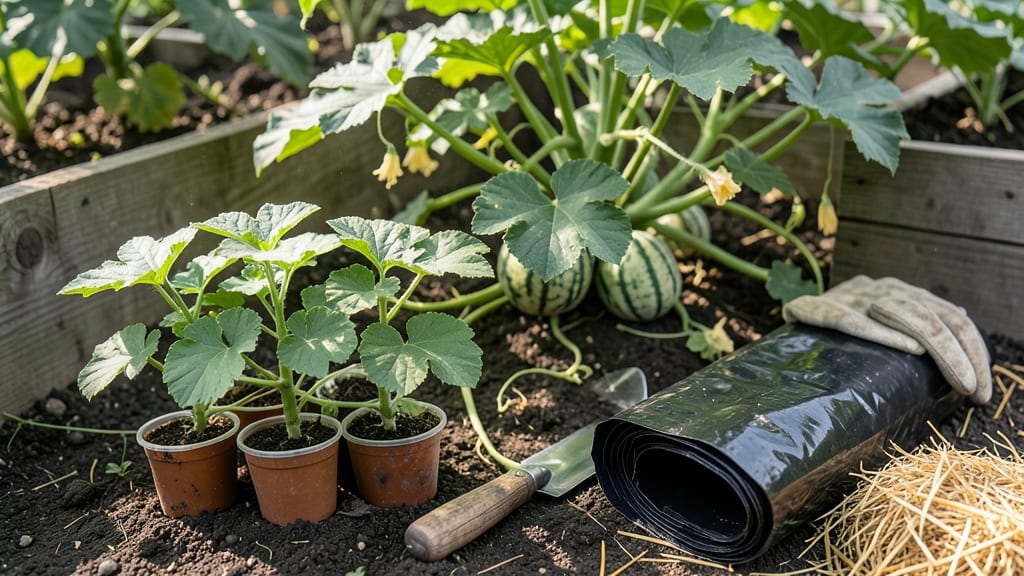
Planting watermelon in Central Florida means timing it right for 70°F+ soil and avoiding three common mistakes that ruin harvests.
Central Florida’s frost-free climate makes watermelon a year-round possibility—but rushing the season can backfire. Too early, and your vines struggle in the heat; too late, and you miss the sweet spot for summer harvests. I’ve seen bitter fruit from planting too soon, and stunted vines from waiting too long.
Most gardeners focus on the calendar, but the real key is soil temperature and variety choice. The right timing ensures your 🍉 watermelons thrive, not just survive.
Below, I’ll walk you through the exact windows for spring and fall planting, the three mistakes that sabotage growth, and how to pick varieties that handle Florida’s humidity and pests.
Central Florida watermelon planting timeline: exact dates for peak harvest
Central Florida’s frost-free climate means watermelons can grow year-round, but timing still matters for sweet, juicy fruit. Since we don’t have frost dates to worry about, we focus on soil temperatures and regional microclimates that affect germination and growth.
Orlando, Tampa, and Ocala all have slightly different heat patterns, so I’ll break down the best windows for each area.
For spring harvests, aim to plant when soil temperatures consistently reach 70°F or higher. This usually happens around mid-February to mid-March in most of Central Florida. If you’re in Ocala’s slightly cooler inland areas, wait until early March to avoid slow germination.
Meanwhile, Tampa’s coastal warmth lets you start as early as late January.
For fall harvests, late July to early August is ideal. This timing ensures your melons mature before cooler temperatures slow growth in October and November. Fall-planted watermelons also avoid the peak summer heat, which can stress plants and reduce fruit quality.
Here’s a quick reference for your planting schedule:
| Region | Spring Planting Window | Fall Planting Window | Soil Temp Threshold | Harvest Months |
|---|---|---|---|---|
| Orlando | Mid-February to Early March | Late July to Early August | 70°F+ | May-June & October-November |
| Tampa | Late January to Mid-February | Early July to Mid-July | 70°F+ | April-June & September-October |
| Ocala | Early March to Mid-March | Late July to Early August | 70°F+ | June-July & October-November |
If you’re eager to get a head start, consider pre-sprouting seeds indoors 2-3 weeks before your target planting date. Use biodegradable pots and transplant seedlings carefully to avoid root damage. Place pots in a sunny window or under grow lights to ensure strong, healthy sprouts ready for Florida’s heat.
For faster germination, soak seeds in warm water overnight before planting. This trick works especially well in Central Florida’s dry conditions, where seeds can struggle to absorb moisture quickly. Add a light layer of compost to your planting holes to improve water retention and provide nutrients.
Once planted, watermelons need full sun exposure (6-10 hours daily) and well-draining soil. If your garden soil feels heavy or compacted, mix in sand or coconut coir to improve drainage. This is crucial for preventing root rot, a common issue in Florida’s humid climate.
Pro tip: Use black plastic mulch to warm the soil faster and suppress weeds. This method is especially effective in Tampa’s coastal areas, where soil can stay cooler near the water. Mulch also helps retain moisture, reducing the need for frequent watering during dry spells.
Monitor your plants for powdery mildew, a fungal disease that thrives in Florida’s humidity. If you notice white powder on leaves, apply a neem oil spray or copper fungicide early to prevent spread. Catching issues early ensures your watermelons stay healthy and productive.
With the right timing and care, your Central Florida watermelon patch can yield sweet, homegrown fruit from spring through fall. Start with the planting windows above, and don’t forget to harvest at peak ripeness for the best flavor! 🍉
3 Critical mistakes that stunt watermelon growth in Florida (and how to fix them)
Even in Florida’s frost-free climate, watermelons can struggle if you don’t nail the timing and growing conditions. The biggest culprits are planting too early, ignoring soil health, and overcrowding those sprawling vines.
These mistakes don’t just reduce yield—they can leave you with bitter fruit or weak plants that never recover. Let’s fix them before your next planting season.
Your first warning sign? Watermelon seeds that refuse to germinate or seedlings that wilt within days of sprouting. This often happens when gardeners rush to plant in January or early February—before the soil warms enough.
Without proper heat, seeds rot in the ground, and young plants become stressed. The solution? Wait for soil temperatures to hit at least 70°F before planting.
Central Florida’s January-February temps may feel warm, but surface soil often stays below 65°F. Planting before soil thermometer confirms 70°F+ risks seed rot and weak starts. Use a soil thermometer (insert 2" deep) for 3 consecutive days to confirm readiness.
🌡️ Pro Tip: Mid-March is ideal for spring plantings—wait until March 15th in Orlando or March 1st in Tampa for best results.
The second mistake? Skipping a soil pH test before planting. Florida’s sandy soils often test acidic (5.5 or lower), which locks out essential nutrients like phosphorus and potassium—critical for watermelon growth.
Without these, vines grow slowly, flowers drop, and fruit develops poorly. The fix is simple: test your soil and amend with pelletized lime if needed to reach the ideal 6.0-6.8 pH range.
Here’s how to check: Grab a soil test kit (available at garden centers) and take samples from 3 spots in your bed. Mix them together and send to your local UF/IFAS Extension office—they’ll provide a free or low-cost analysis.
If your pH is too low, spread 1/2 cup of lime per 10 sq ft and till it in 2-3 weeks before planting.
Finally, overcrowding is the silent killer of watermelon yields. Too many plants competing for space leads to small, underdeveloped fruit and increased disease risk. The golden rule? Space watermelon vines 4-6 feet apart in rows that are 6 feet apart.
This gives each plant room to sprawl and ensures good airflow—critical for preventing fungal diseases like powdery mildew.
For container growers, choose compact varieties like 'Sugar Baby' and use 5-gallon pots with trellis support. If you’re planting in rows, consider a double-crop system: plant one row of watermelons and alternate with bush beans or cucumbers to maximize space.
Just remember—thin seedlings to the recommended spacing within 2 weeks of germination to avoid root competition.
By fixing these three mistakes—waiting for warm soil, testing pH, and proper spacing—you’ll see healthier vines, bigger fruit, and sweeter watermelons ready for harvest by summer. The key is patience and preparation, not rushing into the season. Your future watermelon harvest will thank you! 🍉