
Plants
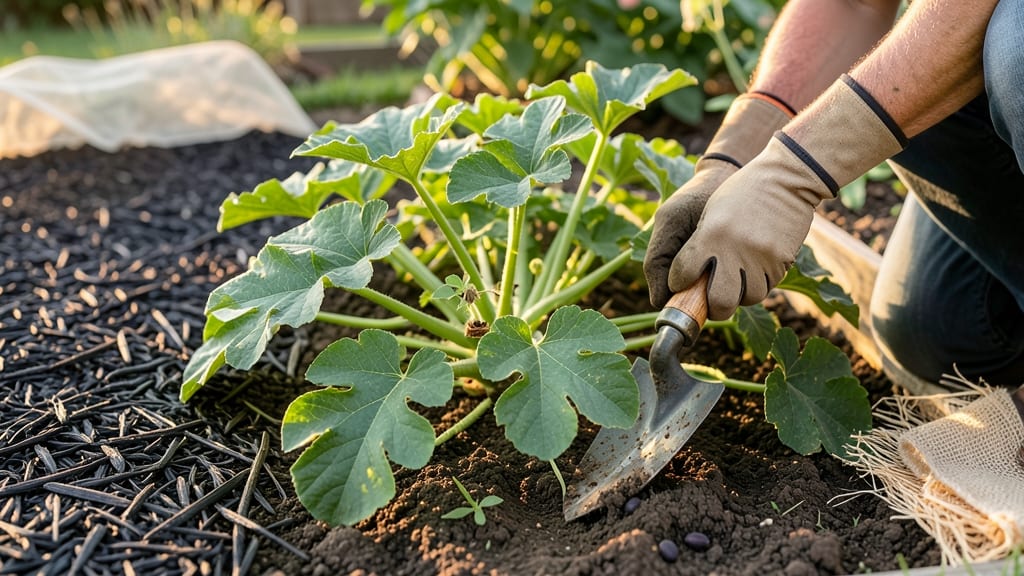
Plant watermelon seeds in Ontario after your last frost date and when soil temperatures hit at least 18°C (64°F)—typically mid-May to early June for most regions.
Ontario gardeners know timing is everything—plant too early, and frost will wipe out your 🍉 seedlings; too late, and your vines won’t mature before summer’s end. Mastering the frost-free window and soil temperature secrets can mean the difference between a bountiful harvest and wasted effort.
In USDA zones 5a-6b, the average last frost falls around mid-May, but cooler northern areas may need to wait until June. Southern Ontario can start as early as late April if the soil is warm enough, while northern regions should hold off until early June.
Below, I’ll break down the exact frost-free timeline by region, soil temperature tips to speed up germination, and how to extend your growing season if needed—so you can grow watermelons with confidence, no matter where you are in the province.
Ontario’s frost-free timeline for planting watermelon seeds
Watermelons (Citrullus lanatus) thrive in Ontario’s warm summers, but their 90-day growth cycle demands precise timing. Plant too early, and frost will kill tender seedlings; too late, and your vines won’t mature before fall’s first chill.
The key lies in understanding your region’s last frost dates and soil warmth—both critical for successful germination and fruit development.
Southern Ontario (e.g., London, Hamilton, Niagara) enjoys earlier frost-free dates, often by mid-May, while Northern regions (e.g., Sudbury, North Bay) may wait until late May or early June.
Even within these windows, soil temperature must reach 18°C (64°F) for seeds to sprout reliably. Without this warmth, germination can stall for weeks, wasting your effort.
To avoid frost damage, I rely on Environment Canada’s historical frost data and set up local weather alerts for my area. Their 2024 frost date map (updated annually) shows average last frost dates by region—bookmark it before planting season begins.
For example, Toronto’s average last frost is May 15, but I wait until May 22 to account for late-year surprises.
For Northern Ontario gardeners, the window is tighter. Areas like Sault Ste. Marie often see frost until June 1, leaving only 120 frost-free days—barely enough for standard watermelon varieties.
In these cases, opt for shorter-season varieties like ‘Sugar Baby’ (70-day maturity) or consider container growing to extend the season.
Here’s the golden rule: Wait until nighttime temperatures consistently stay above 10°C (50°F) and your soil thermometer reads 18°C+ (64°F+) at a 5cm (2-inch) depth. Use a soil thermometer for accuracy—don’t guess! I’ve seen seeds planted in 15°C (59°F) soil fail to germinate, even if air temperatures were warm.
| Region | Avg. Last Frost Date | Ideal Planting Window | Frost-Free Days | Recommended Varieties |
|---|---|---|---|---|
| Southern Ontario (London, Niagara, Windsor) | Mid-May (May 10-15) | Late May to early June | 160-180 days | ‘Crimson Sweet’, ‘Sugar Baby’, ‘Charleston Gray’ |
| Central Ontario (Toronto, Barrie, Guelph) | Late May (May 20-25) | Early to mid-June | 140-160 days | ‘Black Diamond’, ‘Jubilee’, ‘Crimson Sweet’ |
| Northern Ontario (Sudbury, North Bay, Timmins) | Early June (June 1-10) | Mid-June (or start indoors) | 120-140 days | ‘Sugar Baby’, ‘Tasty Bite’, ‘Mini Melon’ |
| All Regions (Container Growing) | N/A (extend season) | Late May to July 1 | Flexible (100+ days) | ‘Sugar Baby’, ‘Tiny Tim’ |
*Use Environment Canada’s frost forecast for real-time updates.
If you’re in a transitional zone (e.g., Peterborough or Kingston), I recommend planting early-maturing varieties like ‘Sugar Baby’ (70 days) and using row covers for extra protection. For Northern Ontario, consider starting seeds indoors 4-6 weeks before your last frost date, then transplanting after soil warms.
A heat mat ($20-$30) can accelerate germination by 5-7 days in cooler climates.
Pro tip: Test your soil temperature for 3 consecutive mornings before planting. If it dips below 18°C (64°F), wait. I’ve seen seeds germinate in 24 hours when soil hits 21°C (70°F), but take 2 weeks or longer in cooler conditions. Patience here saves heartache later.
For extended-season growing, use black plastic mulch to warm soil by 3-5°C (5-9°F) and clear plastic tunnels to trap heat. In my Zone 5b garden, these tricks let me plant 2 weeks earlier without frost risk. Just remove the plastic once vines emerge to prevent overheating.
Finally
Soil temperature requirements for watermelon germination in Ontario
Watermelon seeds need warm soil to germinate—minimum 18°C (64°F) is critical, but 21°C (70°F) or higher will give you the fastest, most reliable sprouts. In Ontario’s cooler regions, waiting for these temperatures can mean the difference between a thriving vine and a failed crop.
Cold soil delays germination for weeks, and even if seeds eventually sprout, weak seedlings struggle to catch up.
Northern Ontario gardeners often face soil temperatures below 15°C (59°F) even after the last frost date. This is why many wait until late May or early June to plant, even if the air feels warm.
Use a soil thermometer (available for under $10) to check depths of 2-3 inches—this is where seeds will be. Morning readings are best, as soil cools overnight.
| Stage | Soil Temp Requirement | Ontario Timeline | Solution for Cool Soils |
|---|---|---|---|
| Germination | 18°C (64°F) minimum | Late May–early June (Southern ON) | Use black plastic mulch 1–2 weeks before planting |
| Optimal Growth | 21°C+ (70°F+) | June–July (Northern ON) | Choose heat-tolerant varieties like 'Sugar Baby' |
| Fruiting | 24°C+ (75°F+) | July–August | Extend season with row covers or greenhouses |
If your soil thermometer shows readings below 18°C (64°F), don’t rush to plant—waiting an extra week can save you from rotten seeds or stunted plants. Instead, use black plastic mulch (lay it 1–2 weeks before planting) to raise soil temperatures by 5–10°C (9–18°F).
Clear plastic won’t work as well because it reflects sunlight instead of absorbing it. For raised beds, add compost or straw mulch to warm the soil faster.
Another trick for cooler climates is to start seeds indoors under grow lights 3–4 weeks before your target outdoor date. Use biodegradable pots so you can transplant seedlings without disturbing roots.
Place pots in a warm spot (like on top of your fridge) to mimic soil warmth. Harden off seedlings for 7–10 days before transplanting once soil hits 21°C (70°F).
Watch for soil temperature swings—even in summer, Ontario nights can drop below 15°C (59°F). If your seedlings emerge but then stall, they may be struggling with cool soil at night.
In this case, add a row cover or move pots to a sheltered, sunny spot during cooler evenings. Always prioritize consistent warmth over rushing the process—your watermelons will thank you with bigger, sweeter fruit.
Pro tip: Check soil temps at 10 AM and 4 PM for 3 days in a row. If the average is 18°C (64°F) or higher, it’s safe to plant.
Patience here pays off—slow starts lead to slow harvests, but warm soil means vigorous vines and early fruit. 🌱