
Plants
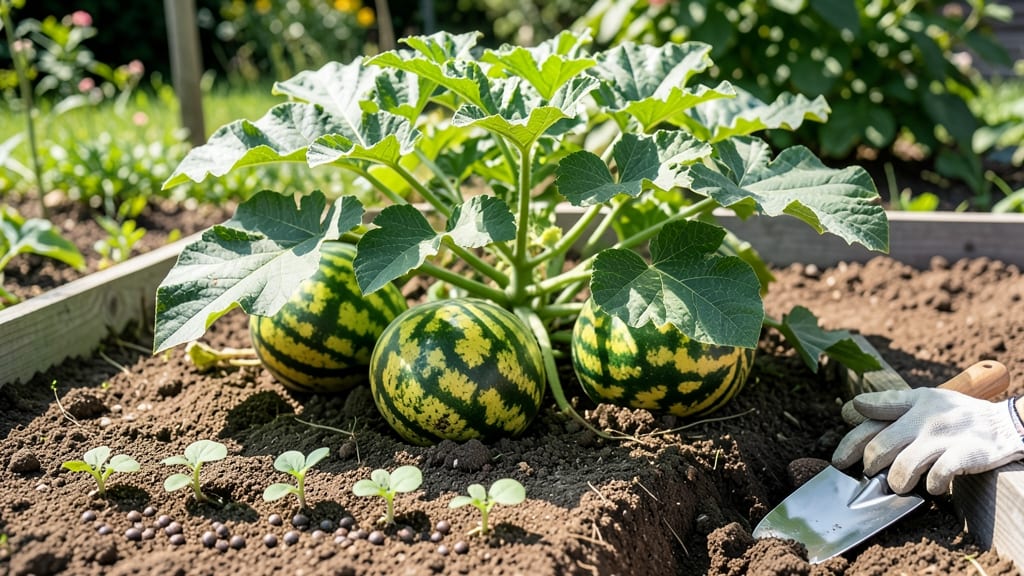
To plant watermelon in Washington State, aim for late April to early June when soil temperatures hit 70°F—the fastest way to avoid frost damage and ensure quick germination.
Growing watermelons in Washington State’s diverse climate can be tricky—plant too early and risk frost, too late and miss the sweet harvest. Timing is everything for juicy, vine-ripened fruit that thrives in the Pacific Northwest’s short growing season.
Western WA’s cooler springs mean starting seeds indoors 4-6 weeks before the last frost is key, while Eastern WA’s earlier warming lets you direct-sow sooner. I’ll break down the exact dates by zone and share tricks to jumpstart those seeds in chilly soil.
You’ll also discover how to stretch the season with mulch, the best varieties for your region, and why soil warmth matters more than calendar dates. Let’s get those 🍉 vines growing!
Washington State watermelon planting zones: when to start seeds indoors vs. outdoors
Washington State’s diverse climate—from the cool, maritime Pacific Northwest to the drier, warmer inland regions—creates unique challenges for growing watermelons. In Western WA (USDA zones 7b-9a), mild winters and wet springs delay soil warming, while Eastern WA (zones 6b-8a) often faces earlier frost risks.
Getting your timing right means the difference between a bountiful harvest and wasted seeds.
Watermelons are warm-season crops that need consistent temperatures above 70°F to thrive. Starting seeds indoors 4-6 weeks before your region’s last frost date gives them a head start, while direct sowing outdoors requires soil temperatures of 60°F+.
Let’s break down the best strategies for each of Washington’s key growing zones to maximize your chances of success.
For Western Washington gardeners in Seattle or Olympia, starting seeds indoors in mid-March gives you a 4-6 week head start before transplanting in mid-May. The cooler, wetter springs in these areas often delay soil warming, so transplanting too early can stunt growth.
Use row covers or black plastic mulch to accelerate soil temperature if you’re eager to plant sooner.
In Eastern Washington, where cities like Spokane and Wenatchee experience earlier last frost dates, you can start seeds as early as late February. However, the drier climate means you’ll need to monitor soil moisture closely.
Transplant outdoors by early May to avoid late spring frosts, which can kill tender seedlings. Choose faster-maturing varieties like ‘Sugar Baby’ or ‘Crimson Sweet’ to ensure harvests before fall frosts arrive.
The Yakima Valley, known for its long, hot summers, offers one of the best climates in Washington for watermelons. Start seeds indoors by late February and transplant by late April to take full advantage of the extended growing season.
Direct sowing is also viable here if your soil reaches 68°F by late April, as the valley’s arid conditions warm up quickly.
If you’re growing in containers or raised beds, consider starting seeds indoors even earlier—late January to February—to account for slower soil warming. Use grow lights or heat mats to maintain 70-80°F soil temperatures, which is critical for germination.
Once seedlings have 2-3 true leaves, they’re ready to harden off and transplant outdoors.
Pro tip: Use a soil thermometer to check temperatures before direct sowing. Watermelon seeds won’t germinate until soil reaches 60°F, but growth accelerates dramatically at 70°F+. In cooler zones like Spokane (Zone 6b), wait until soil hits 65°F to avoid slow, uneven germination.
Remember, timing is everything in Washington’s variable climate. Whether you’re in rainy Western WA or the dry East, aligning your planting schedule with your local frost dates and soil conditions will give your watermelons the best shot at a juicy, summer-ready harvest. 🌱🍉
Optimal soil temperature and frost-free deadlines for Washington watermelon success
Watermelons thrive when planted in warm soil—they need 60°F+ for germination and 70°F+ for consistent growth. Washington’s climate varies dramatically from coastal Seattle to dry Yakima, making soil temperature checks essential before planting. Transplanting too early risks shock, while waiting too long may shorten your harvest window.
Use a soil thermometer to verify warmth before planting. Stick it 2-3 inches deep in the soil (where roots develop) and wait until readings stay above 70°F for at least 3 days.
Morning is the best time to check—soil cools overnight and warms fastest in direct sunlight. Black plastic mulch can raise soil temps by 5-10°F if applied 1-2 weeks before planting.
| City | Last Frost Date | Safe Planting Window | Soil Temp Goal | Harvest Window |
|---|---|---|---|---|
| Seattle | May 15 | Late May to early June | 70°F+ (3 days) | July to September |
| Spokane | May 5 | Late April to mid-May | 70°F+ (3 days) | June to August |
| Yakima | April 20 | Mid-April to late May | 70°F+ (3 days) | June to September |
| Wenatchee | April 25 | Late April to early June | 70°F+ (3 days) | July to September |
Eastern Washington cities like Yakima and Wenatchee have earlier frost-free dates, allowing watermelons to mature faster. Seattle’s cooler coastal climate often delays planting until late May, but black plastic mulch or raised beds can create microclimates warm enough for earlier starts. Always monitor local weather forecasts for unexpected cold snaps.
For direct-sown seeds, aim to plant when your region’s average soil temperature consistently reaches 70°F or higher. If starting seeds indoors, begin 4-6 weeks before your last frost date using a heat mat to maintain 80-85°F soil temps.
Transplant seedlings outdoors only after hardening them off for 7-10 days to prevent shock.
In Western WA (Seattle/Puget Sound), watermelons need 90-100 days to mature, so plant no later than early June for a harvest before fall rains. Eastern WA (Yakima/Wenatchee) can push planting into late May thanks to hotter summers.
Always choose fast-maturing varieties like ‘Sugar Baby’ (70 days) or ‘Crimson Sweet’ (80 days) for Washington’s shorter season.
Pro tip: Extend your season by using row covers for early starts or cold frames to protect young plants. Remove covers once soil warms to 70°F to avoid overheating. With the right timing, you’ll enjoy homegrown watermelons from your Washington garden! 🍉