
Plants
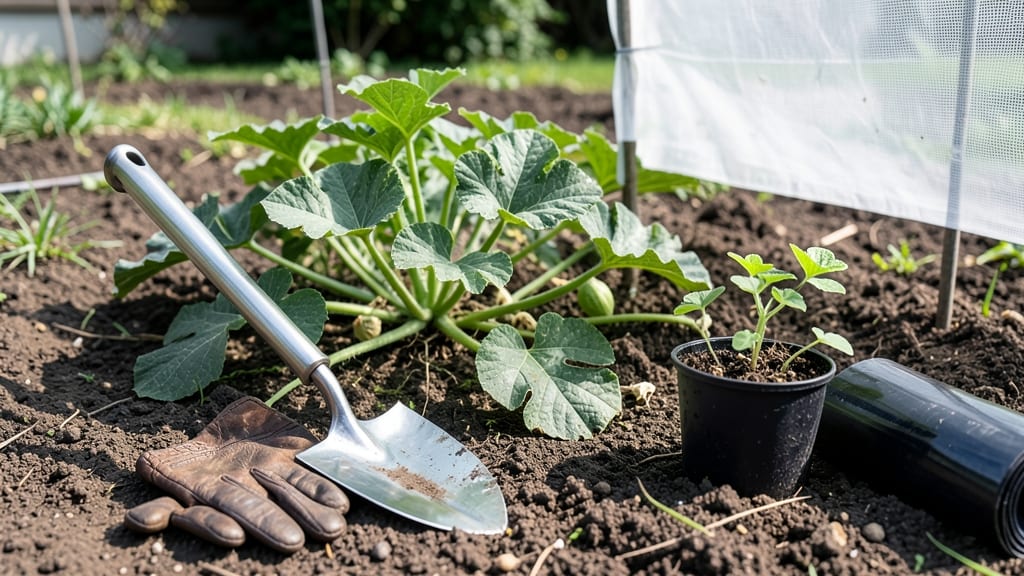
Planting watermelon in Illinois after the last frost — typically mid-April to early June — is the key to avoiding wasted seeds and maximizing your harvest.
If you’ve ever planted too early and watched your tender seedlings wilt under a late frost, you know how quickly a few weeks can make or break your crop. In Illinois’ 5b-6b zones, timing isn’t just about dates—it’s about soil temperature, too.
Watermelons like it hot, with soil needing to hit at least 70°F before seeds go in. That means waiting for the ground to warm up, even if the calendar says spring has arrived.
Direct sowing is the easiest method for most gardeners, but starting seeds indoors can give you a head start in cooler areas.
Below, I’ll break down the exact planting windows by region, the best varieties for Illinois’ short season, and how to adjust for unpredictable spring weather. Ready to grow juicy, vine-ripping 🍉 this summer?
Illinois frost-free dates by Zone: best watermelon planting windows
Watermelons (Citrullus lanatus) love warmth and need consistent 70°F+ soil temperatures to thrive. In Illinois, where USDA zones 5b-6b dominate, timing your planting window correctly is the key to avoiding frost damage and ensuring a sweet harvest.
The average last frost dates vary by region, but most areas see their final frost between mid-April and early May. For watermelons, this means waiting until late May to early June to plant seeds directly in the ground.
If you're using transplants (started indoors 3-4 weeks before the last frost), you can push your planting window slightly earlier—around mid-May—but only if nighttime temperatures stay above 55°F.
Southern Illinois (Zone 6b) has a longer growing season, giving gardeners a 2-3 week advantage over northern regions (Zone 5b). Always check your local Almanac frost dates for precision, as microclimates can shift planting windows by 1-2 weeks.
Soil temperature is just as critical as air temperature. Watermelon seeds won’t germinate well below 70°F, and cool soils can lead to rot or stunted growth. Use a soil thermometer to confirm readiness—plant only when the top 2 inches of soil consistently hit 75°F+. In Illinois, this typically aligns with late May to early June, but heatwaves in May can sometimes bring it earlier.
Here’s a quick breakdown of Illinois planting zones and their ideal watermelon planting windows:
For direct-seeded watermelons, aim to plant 2-3 weeks after your last frost date to give the soil time to warm up. In Zone 5b, this often means waiting until June 1, while Zone 6b gardeners can start as early as May 15.
If you’re starting seeds indoors, begin them 4-6 weeks before transplanting, typically in late April for most of Illinois.
Pro tip: Use black plastic mulch or row covers to warm the soil faster and extend your planting window by 1-2 weeks. These methods help raise soil temperatures by 5-10°F, making early planting safer. Just remember to remove covers once vines emerge to prevent overheating.
Watermelons need a long, warm growing season—typically 80-100 days from seed to harvest. In Illinois, this means planting early enough to harvest before the first frost in October.
For northern zones (5b), focus on fast-maturing varieties (60-70 days), while southern zones (6b) can handle slightly longer-season types. Always prioritize soil warmth over eagerness—cool soils will stall germination and set your harvest back by weeks.
If you’re in a transition zone (like Chicago or Springfield), err on the side of caution and wait until late May for direct seeding. Use a planting calendar or local Cooperative Extension Service resources to fine-tune your timing.
And don’t forget: overwatering cold soil can leach nutrients and delay growth, so always check soil temps before planting.
For container growing, plant watermelons in large pots (15+ gallons) and place them in full sun after the last frost. Containers warm up faster than garden beds, so you can often plant 1 week earlier than in-ground plants.
Just ensure pots have drainage holes to prevent root rot in Illinois’ humid summers.
Finally, keep an eye on weather forecasts in late spring. A late
How to adjust planting time for Illinois’ unpredictable spring weather
Illinois springs can be as unpredictable as a tornado warning—one week you’re shivering, the next you’re sweltering. For watermelons, which thrive in warm soil (70°F+), late frosts or cool snaps can delay planting by weeks.
The key is flexible timing and protective strategies to extend your growing season without sacrificing harvests.
If your last frost date slips past mid-May, don’t panic. Illinois gardeners often adjust planting windows using tools like row covers, cold frames, and even black plastic mulch.
These methods can warm soil faster and shield tender seedlings from unexpected 30°F drops that can devastate young plants in just hours.
⚠️ Late Frost Alert: When Watermelons Can’t Recover
Watermelon seedlings wilted by frost won’t bounce back. If temps drop below 50°F for 3+ days after germination, replant immediately. Transplants (not seeds) are your best bet for May-June adjustments—they establish faster in warmed soil.
Start by testing soil temperature daily with a soil thermometer. Aim for consistent 70°F readings at 4 inches deep before planting seeds. In northern Illinois (Zone 5b), this might not happen until early June, while southern Illinois (Zone 6b) can often plant by mid-May.
For a 2-week head start, sow seeds indoors in biodegradable pots 3-4 weeks before your target outdoor date.
For emergency adjustments, use floating row covers to protect seedlings until they’re 4 inches tall. These lightweight fabrics trap heat and raise soil temps by 2-5°F, accelerating growth.
Pair them with black plastic mulch, which warms soil 5-10°F faster than bare earth. Remove covers when flowers appear to prevent pollen blockage.
Cold frames are another game-changer for late springs. A simple Plexiglas box over raised beds can extend your planting window by 3-4 weeks. Place them on south-facing slopes to maximize sunlight.
Monitor internal temps—watermelons need 75°F+ days to set fruit, so crack the lid on mild days (above 60°F) to prevent overheating.
If all else fails, choose fast-maturing varieties like 'Sugar Baby' (60 days) or 'Early Red' (58 days). These can bolt from seed to harvest in Illinois’ 165-day growing season, leaving room for a second planting in July if your first crop fails.
Always harden off transplants for 7-10 days before moving them outdoors to avoid shock.
Remember: Patience pays off. Rushing watermelons into cold soil guarantees poor germination and stunted vines. With these Illinois-specific tricks, you’ll turn the Prairie State’s unpredictable springs into prime growing real estate. 🌱