
Plants
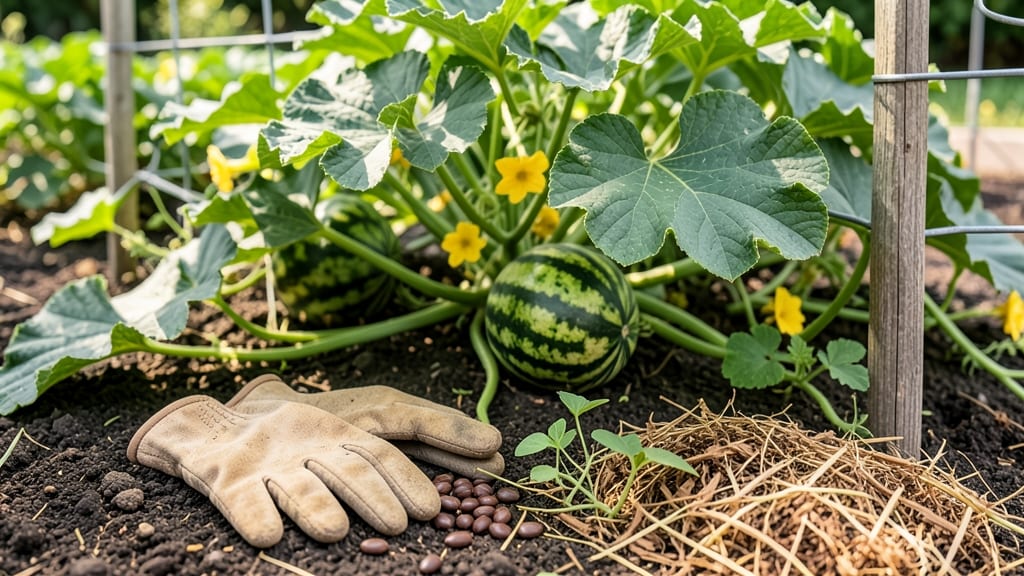
Planting watermelons in Iowa after the last frost—typically late April to early May—sets the stage for juicy harvests 🍉, but one wrong move can leave you with bitter, stunted fruit.
Iowa’s unpredictable spring weather can turn watermelon dreams into disappointment—but timing your planting right ensures juicy, vine-ripened success. Mastering frost dates and soil warmth is the secret to thriving melons in the Hawkeye State.
Most gardeners in USDA zones 5a-6b wait until soil temperatures hit at least 70°F before sowing seeds, but rushing too early risks frost damage. I’ll show you how to read the signs and adjust for Iowa’s heavy clay soil.
From picking the fastest-maturing varieties to using black plastic mulch for a head start, you’ll learn the exact steps to maximize your yield—no guesswork, just proven results.
Iowa watermelon planting dates by frost Zone: exact timing for maximum yield
Timing your watermelon planting in Iowa isn’t just about avoiding frost—it’s about catching the soil’s sweet spot of 75°F+ warmth, which triggers germination and rapid vine growth. Northern Iowa’s USDA Zone 4a demands earlier prep, while southern Zone 5a can plant up to 2 weeks later.
Missing this window means stunted growth or worse, seed rot in cold, damp soil.
Iowa’s last frost dates vary wildly: northern counties like Dubuque average May 10-15, while Des Moines typically sees May 1-5. But don’t rush—wait for consistent 75°F soil temps (use a soil thermometer) before planting. Cold soil delays germination by weeks, leaving your melons playing catch-up all season.
Here’s the exact planting timeline broken down by Iowa’s frost zones, including heat unit calculations (watermelons need 1,000+ growing degree days to mature). Use this as your planting calendar to sync with Iowa’s 165-day growing season.
For northern Iowa (Zones 4a-4b), start seeds indoors 3-4 weeks before your target planting date (early April) using grow lights. Transplant seedlings outdoors only after soil hits 75°F and nights stay above 55°F.
In southern Iowa (Zone 5a), you can direct-sow seeds as early as late April, but cover them with black plastic mulch to warm the soil faster.
Pro tip: Use a DIY heat mat (lay black plastic over soil for 1-2 weeks before planting) to shave critical days off your growing season. I’ve seen soil temps rise 10°F+ in just 48 hours with this trick—game-changer for Iowa’s cool springs.
Pair this with fast-maturing varieties (like ‘Sugar Baby’ at 65 days) to maximize your harvest window.
Watch for false springs—those 50°F April days that trick you into planting early. A
Soil warmth secrets: how to test and prepare Iowa’s heavy clay for watermelon success
Iowa’s heavy clay soil can be a double-edged sword for watermelons—it holds moisture but stays cold, delaying germination and inviting blossom-end rot. The key is warming it up safely while improving drainage.
Start by testing your soil’s temperature with a DIY soil thermometer (a simple glass jar with alcohol works!). Watermelon seeds need soil at 75°F+ to sprout reliably—any cooler, and you’ll face slow starts or rot.
For fast soil warming, lay down black plastic mulch 2-3 weeks before planting. This raises temperatures by 10-15°F and suppresses weeds. Pair it with row covers for extra warmth during chilly nights.
In northern Iowa, where springs are longer, consider a mini greenhouse or cold frame for seedlings until late May.
Iowa’s clay also compacts easily, smothering roots. Loosen the top 12 inches with a broadfork, then amend with compost or aged manure to break up density.
Add sand or perlite (20% by volume) to improve drainage without sacrificing fertility. A 5-10-10 fertilizer at planting gives watermelons a phosphorus boost for root development.
⚠️ WARNING: Planting Too Early in Cold Soil ⚠️
⚠️ Cold soil (<65°F) causes:
- Slow germination (seeds rot instead of sprouting)
- Blossom-end rot (calcium uptake fails in cool roots)
- Fungal diseases (excess moisture from poor drainage)
To further accelerate warmth, plant watermelons on south-facing slopes or raised beds filled with 50% compost. Avoid fresh manure—it burns roots and attracts pests. Instead, use well-aged compost tea to feed soil microbes that break down clay over time.
Monitor soil moisture with a moisture meter; watermelons need 1-2 inches of water weekly, but soggy clay suffocates roots.
Pro tip: Interplant watermelons with bush beans or radishes. These shallow-rooted companions aerate the soil while watermelons establish their deep taproots. Mulch heavily with straw or grass clippings to retain heat and suppress weeds.
By mid-June, your amended clay should feel like a warm hug for watermelon vines—ready to stretch, flower, and fruit!
Remember, patience pays off with Iowa’s clay. Rush planting, and you’ll fight diseases all season. But with these prep steps, your watermelons will thrive—even in the Hawkeye State’s heavy, slow-to-warm soil. 🌱🍉