
Plants
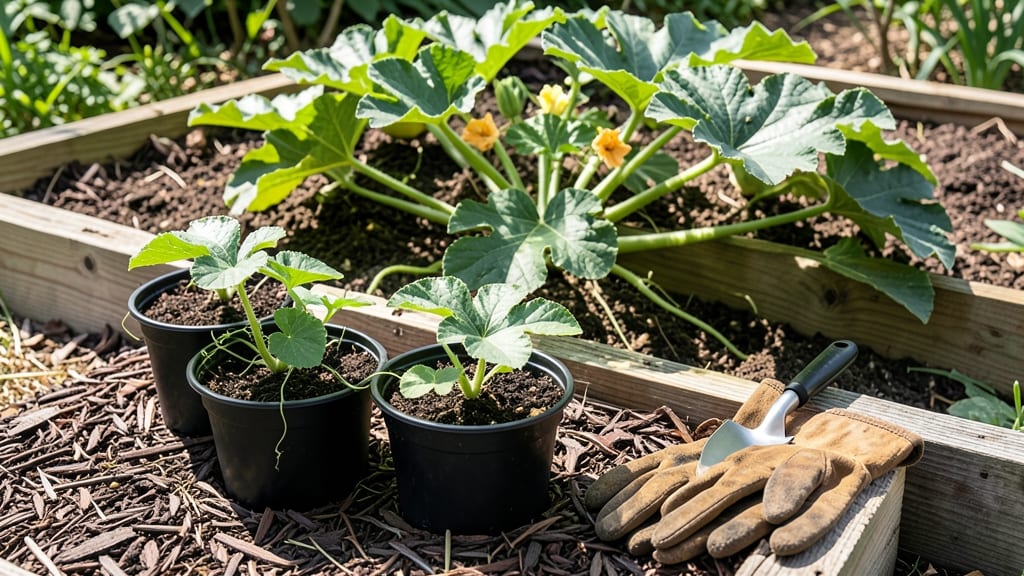
Planting watermelon in Kentucky after the last frost date—typically mid-April—sets the stage for a bountiful summer harvest 🍉.
But here’s the catch: rush it, and a late frost will wipe out your seedlings; wait too long, and your vines may struggle to mature before fall.
Kentucky’s 6a zone demands precision, and the difference between a 60-day and 90-day variety can mean the difference between dinner-table melons and sad, underripe fruit.
Below, I break down the exact frost-free timeline for your region, soil temperature must-haves, and whether to start seeds indoors or dive straight into the garden bed. Spoiler: the answer depends on your last frost date—and it’s not always when you think.
You’ll also discover how to stretch your growing season with simple tricks, avoid Kentucky’s most common planting blunders, and recognize when those melons are truly ready to pick. No more guessing, just juicy, predictable results.
Kentucky watermelon planting timeline by USDA hardiness Zone (6a-7b)
Kentucky’s USDA Zones 6a-7b offer ideal conditions for growing watermelons, but precise timing is critical. The last frost dates vary by zone, and soil temperature must reach 75°F+ before planting. In Zone 6a, you’ll have a shorter window than in Zone 7b, so planning ahead ensures a bountiful harvest.
For direct sowing, wait until the soil warms consistently above 75°F—typically mid-May in Zone 6a and early May in Zone 7b. If you’re starting seedlings indoors, transplant them 2-3 weeks after your last frost date to avoid shock.
Kentucky’s humid summers mean watermelons thrive with proper timing and care.
Soil temperature is your best indicator for planting. Use a soil thermometer to confirm 75°F+ readings at 4-inch depth. In Kentucky, this usually aligns with late April to early May, but cooler springs may delay it. Black plastic mulch can help warm the soil faster if you’re eager to plant early.
Here’s a quick comparison of frost-free dates and planting windows for Kentucky’s zones:
In Zone 6a, where frosts linger longer, prioritize transplanting seedlings over direct sowing. Start seeds indoors 4-6 weeks before your last frost date (around March 15) for a head start. Use biodegradable pots to minimize root disturbance when transplanting.
For Zone 7b, you can afford to plant earlier. Direct sow as soon as soil reaches 75°F, often by mid-April. This zone’s longer growing season lets you experiment with earlier varieties like 'Sugar Baby' or 'Crimson Sweet', which mature in 70-75 days.
If you’re in Zone 6b or 7a, aim for mid-April to early May for direct sowing. Use row covers or black plastic mulch to warm the soil faster and extend your season. These methods can push your planting window 1-2 weeks earlier without risking frost damage.
Remember, watermelons need warmth to thrive. Planting too early—even with protection—can stunt growth or attract pests like cucumber beetles. Always check your local frost dates and monitor soil temperature with a thermometer for the most accurate timing.
Once planted, maintain consistent moisture and mulch heavily to retain soil warmth. With the right timing, you’ll enjoy ripe, juicy watermelons from July through September in Kentucky’s climate. 🍉
How to extend Kentucky’s watermelon growing season for earlier harvests
Kentucky’s short growing season can make it tricky to get a full watermelon harvest, but with the right techniques, you can push your planting window earlier and enjoy juicy fruit weeks ahead of schedule.
The key lies in warming the soil, protecting tender seedlings, and gradually acclimating plants to outdoor conditions. These methods help you bypass late spring frosts while giving your watermelons a head start.
One of the most effective ways to extend your growing season is by using black plastic mulch to raise soil temperatures. This method can warm the ground by 5-10°F compared to bare soil, allowing you to plant watermelon seeds 2-3 weeks earlier without risking frost damage.
Pair this with row covers or cold frames for even more protection during those chilly early mornings.
For gardeners eager to start seeds indoors, hardening off seedlings is crucial before transplanting. This gradual process—moving seedlings outdoors for increasing durations over 7-10 days—helps them adjust to Kentucky’s variable spring weather. Without proper hardening, seedlings can bolt or wilt when exposed to sudden temperature swings or wind.
🌱 Top 5 Ways to Extend Your Kentucky Watermelon Season
- 🔥 Use black plastic mulch to warm soil to 75°F+ 2-3 weeks earlier than usual.
- 🛡️ Row covers or cold frames protect seedlings from late frosts (tested to 28°F resistance).
- 🌱 Start seeds indoors 4-6 weeks before last frost, then harden off properly.
- ☀️ Choose early-maturing varieties like 'Sugar Baby' (65 days) or 'Crimson Sweet' (75 days).
- 💧 Drip irrigation maintains consistent moisture without wetting foliage (reduces disease risk).
If you’re transplanting seedlings, time it right by waiting until soil temperatures consistently stay above 70°F during the day. Use a soil thermometer to monitor—this is especially critical in Kentucky’s USDA zones 6a-7b, where cool nights can linger into May.
For direct sowing, wait until the average last frost date has passed (typically mid-April in southern KY and early May in northern regions).
Another pro tip: Trellis your watermelons if space is limited. While they’re vining plants, some compact varieties like 'Black Diamond' can be trained upward, saving garden real estate and potentially extending your harvest window by 1-2 weeks through better air circulation.
Just be sure to use a sturdy trellis designed for 10-15 lb fruits!
With these techniques, you can confidently push your watermelon harvest into early July instead of waiting until August. The secret? Warm soil + protection + patience—just like nurturing a prized heirloom seedling. Start experimenting this spring, and you’ll be feasting on homegrown watermelons months before your neighbors! 🍉