
Plants
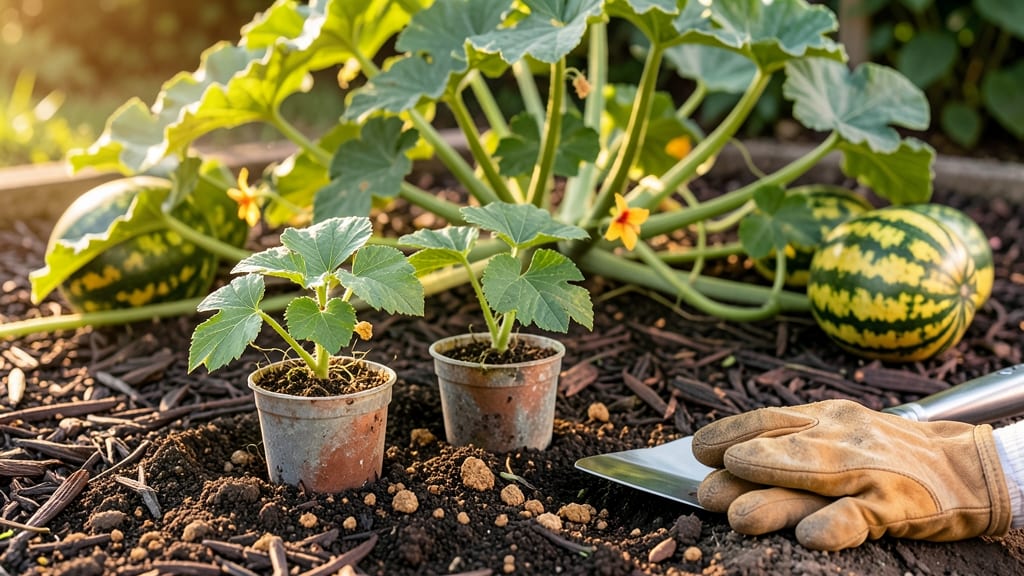
Planting watermelon in Michigan after the last frost — typically mid-May to early June — sets the stage for a sweet harvest before fall cools down.
Michigan’s short growing season means timing your watermelon planting perfectly can mean the difference between a bountiful harvest and a sad, wilted vine. One week too early and your seeds rot in cold soil; one week too late and your melons never ripen before the first frost.
Whether you’re in USDA Zone 4b or Zone 6a, the key is matching your planting window to your region’s frost-free dates while ensuring soil temperatures hit 70°F+. Skip this step, and you’ll end up with stunted vines or fruit that never matures.
In this guide, I’ll walk you through the exact planting windows for Michigan’s zones, soil prep secrets to boost growth, and how to pick varieties that thrive in 70–90 days — even in cooler climates. Let’s get those 🍉 vines off to the right start!
Michigan’s watermelon planting calendar by USDA Zone (4-6) for optimal harvests
Michigan’s short growing season demands precise timing for watermelon success. Planting too early risks frost damage, while waiting too long cuts harvests short. The key? Understanding your USDA zone and soil temperature requirements to maximize fruit size and yield.
Watermelons thrive in warm soil (70°F+) and need 90+ frost-free days to mature. Northern Michigan’s Zone 4a gardeners face the biggest challenges, while Zone 5b/6a growers in the southern thumb enjoy longer seasons. Let’s break down the perfect planting windows for each zone.
| USDA Zone | Last Frost Date (Avg.) | Soil Temp for Planting | Transplant Window | Expected Harvest Timeframe | Pro Tip for Zone |
|---|---|---|---|---|---|
| 4a (Northern MI: Traverse City, Marquette) | May 20–June 1 | 70°F+ | June 1–15 | Late Aug–Sept | Use black plastic mulch to warm soil faster |
| 4b (Central MI: Lansing, Grand Rapids) | May 10–20 | 68°F+ | May 25–June 5 | Mid-Aug–Sept | Start seeds indoors 3 weeks early |
| 5a (Southern MI: Detroit, Kalamazoo) | April 25–May 10 | 65°F+ | May 10–20 | Late July–Oct | Extend season with row covers |
| 5b/6a (Thumbs, Southwest MI) | April 15–25 | 62°F+ | April 25–May 10 | June–Sept | Direct-sow seeds after last frost |
For Zone 4a gardeners, black plastic mulch isn’t just helpful—it’s essential. This technique can raise soil temperatures by 10–15°F, creating the warm conditions watermelons crave. Test your soil with a thermometer before planting; aim for consistent 70°F+ readings for 5+ days.
In Zone 4b, where last frosts linger until mid-May, I recommend starting seeds indoors 3 weeks before your target transplant date. Use biodegradable pots to avoid root disturbance when moving seedlings outdoors. Harden them off for 7–10 days before transplanting after Memorial Day.
Zone 5a offers the longest harvest window in Michigan, but early springs can still surprise you. Use row covers to protect young plants from late frosts while still allowing sunlight. Remove covers when vines reach 6 inches tall to prevent overheating.
Gardeners in Zone 5b/6a have the luxury of direct sowing after last frost. For earliest harvests, plant fast-maturing varieties like ‘Sugar Baby’ (70 days) in late April. Follow with a second planting of ‘Black Diamond’ (80 days) for a staggered harvest through September.
Remember: Watermelons need full sun (8–10 hours daily) and well-draining soil. Amend heavy Michigan clay with compost and sand to improve drainage. Plant seeds 1 inch deep, spacing hills 3–4 feet apart to give vines room to sprawl.
Pro tip: Mark your transplant dates on a calendar and set reminders for soil testing. Watermelons won’t forgive cold soil—patience here means bigger, sweeter fruit later in the season. With these zone-specific guidelines, you’ll be slicing into homegrown watermelons before summer’s end! 🍉
5 Critical mistakes Michigan gardeners make when planting watermelons (and how to avoid them)
Michigan’s cool climate and short growing season make watermelon cultivation tricky. Many gardeners unknowingly sabotage their harvests by making common mistakes that stunt growth or prevent fruiting entirely. The good news?
These errors are easily avoidable with the right knowledge and preparation. Let’s tackle the top 5 mistakes and how to fix them before your vines even sprout.
First, I’ve seen countless Michigan gardeners rush to plant watermelon seeds as soon as the ground is workable. But without checking the soil temperature, they’re setting themselves up for failure.
Watermelon seeds need warmth to germinate—consistently 70°F or higher—and Michigan’s clay-heavy soil can stay stubbornly cool long after spring arrives. Planting too early often results in seeds that rot in the ground or sprouts that struggle to survive.
⚠️ CALLOUT-WARNING: When to Plant Watermelon in Michigan ⚠️
🌱 Critical Planting Timing Rules
- Soil Temp Check: Use a soil thermometer (test in morning shade). Wait for 70°F+ for 3+ days.
- Frost-Free Window: Plant after May 15 (Zone 5) or June 1 (Zone 4)—never before last frost.
- Transplant Ready: Seedlings should have 2 true leaves before moving outdoors.
- Zone 4 Warning: Northern Michigan gardeners: black plastic mulch can add 5-8°F to soil warmth.
⚠️ Pro Tip: If your soil hasn’t warmed by early June, start seeds indoors under grow lights 3 weeks before transplanting.
Another frequent mistake is ignoring soil preparation, especially in Michigan’s heavy clay soils. Without proper amendments, watermelons suffer from poor drainage and nutrient deficiencies. I’ve seen gardens where watermelon vines wilted within weeks because their roots were suffocating in compacted, waterlogged soil.
The fix? Amend your beds with compost and coarse sand in a 1:1 ratio, and consider raising beds 6+ inches to improve drainage.
Many gardeners also choose the wrong varieties for Michigan’s short season. Varieties like ‘Crimson Sweet’ (85-day maturity) are popular but often fail to ripen before fall frosts in northern zones.
Instead, opt for fast-maturing hybrids like ‘Sugar Baby’ (70 days) or ‘Black Diamond’ (80 days), which reliably produce fruit in Michigan’s climate. Always check the days-to-maturity label and subtract 10–15 days as a safety buffer for cooler zones.
Overcrowding is another common trap. Some gardeners think planting more seeds will yield more fruit, but watermelons need space to thrive. When vines are too close together, they compete for sunlight and nutrients, leading to smaller fruit and increased disease risk.
Space your plants 3–4 feet apart in hills (group 3 plants together), and give them plenty of room to sprawl—watermelon vines can stretch 6–10 feet!
Finally, Michigan’s humid climate creates the perfect conditions for fungal diseases if you ignore trellising. Vines left to sprawl on damp soil develop powdery mildew and other issues. Elevate your vines with a trellis or sturdy fence, and prune lower leaves to improve airflow.
This simple step can double your harvest success by keeping plants healthy and reducing pest pressure.
By avoiding these 5 critical mistakes, you’ll give your watermelons the best chance to thrive in Michigan’s challenging climate. Start with soil warmth, amend your beds, pick the right varieties, space plants properly, and keep them elevated.
Your future harvest will thank you—big, sweet, and ready to enjoy! 🍉