
Plants
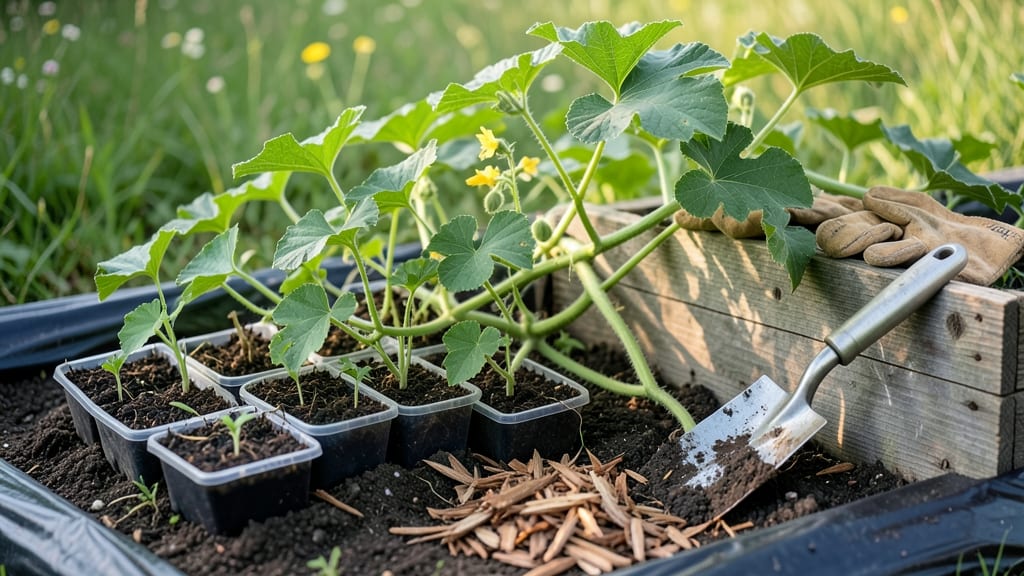
To plant watermelon in North Carolina, wait until after the last frost—typically mid-April in the Piedmont and early May in the Mountains—when soil temperatures hit 70°F.
If you’ve ever watched your 🍉 seedlings wilt under a late spring chill or struggled with bitter fruit from a rushed harvest, you’re not alone. The key to juicy, sweet watermelons in NC lies in matching your planting window to your heat zone.
North Carolina’s climate varies wildly from the Coastal Plain’s steamy summers to the Mountains’ cooler springs, so one-size-fits-all advice won’t cut it. That’s why I’ve broken down the exact planting dates for USDA zones 6a-8a, plus soil prep tricks to give your vines the head start they need.
In this guide, you’ll discover how to time your watermelon crop for peak ripeness—whether you’re direct-sowing in the garden or starting seeds indoors—and which varieties thrive in NC’s heat.
North Carolina watermelon planting calendar by heat Zone (USDA 7a-8b)
North Carolina’s diverse climate—from the cool Mountains to the humid Coastal Plain—means your watermelon planting window varies dramatically. I’ve broken down the optimal planting dates by USDA zones, including soil temperature requirements and frost-free calculations to ensure your vines thrive.
Miss these windows, and you risk stunted growth or bitter fruit.
Watermelons need warm soil (70°F+) and consistent heat to germinate properly. In Zone 7a (Piedmont), you’ll plant earlier than in Zone 8b (Coastal Plain), where summers stretch longer. Let’s dive into the exact dates for your region, plus pro tips to adjust for early or late seasons.
| USDA Zone | Region | Last Frost Date | Soil Temp for Planting | Direct Sow Window | Indoor Start Window |
|---|---|---|---|---|---|
| 7a | Mountains (Asheville) | April 15 | 70°F+ | May 1–15 | March 15–April 1 |
| 7b | Piedmont (Raleigh) | March 31 | 70°F+ | April 15–May 1 | March 1–March 15 |
| 8a | Central NC (Charlotte) | March 15 | 70°F+ | April 1–April 15 | February 15–March 1 |
| 8b | Coastal Plain (Wilmington) | February 15 | 70°F+ | March 15–April 1 | January 15–February 15 |
🌱 Note: Adjust dates 1–2 weeks earlier if using black plastic mulch to warm soil faster.
If you’re in Zone 7a (Mountains), hold off until May 1–15—cool nights can stunt young seedlings. Meanwhile, Coastal Plain growers (Zone 8b) can start as early as March 15 thanks to warmer soils. Always check a soil thermometer before planting; watermelon seeds won’t sprout below 70°F.
For indoor starts, begin seeds 3–4 weeks before your direct-sow window. Use biodegradable pots to avoid root disturbance when transplanting. Harden off seedlings for 7–10 days before moving them outdoors—this toughens them up for NC’s unpredictable spring weather.
Pro tip: In Zone 7a, consider trellising varieties like ‘Sugar Baby’ to save space and improve air circulation. In Zone 8b, opt for heat-tolerant types like ‘Crimson Sweet’ to handle the long, humid summers without stressing.
Watch for late spring frosts, especially in the Piedmont. If frost threatens after planting, cover seedlings with row fabric until temperatures stabilize. And remember: soil warmth matters more than air temperature—use a clear plastic mulch to raise soil temps by 5–10°F if needed.
Harvest time varies by zone
5 Critical factors that determine your watermelon planting success in NC
North Carolina’s variable climate means perfect timing isn’t just about frost dates—it’s about soil conditions, heat tolerance, and water management. I’ve grown watermelons across the state’s USDA zones 7a-8b, and these five factors make the difference between shriveled vines and explosive yields.
Let’s break down what truly matters beyond the calendar.
First, soil temperature is non-negotiable. Watermelon seeds won’t germinate below 70°F, even if the air feels warm. In the Piedmont region, this often means waiting until mid-May, while Coastal Plain gardeners can plant as early as late April.
Use a soil thermometer—don’t guess! I once planted too early in Zone 7a and lost half my seedlings to cold soil.
Companion planting can boost your harvest by 30-40%. Pair watermelons with bush beans or corn to improve soil nitrogen, while marigolds deter pests like cucumber beetles. Avoid planting near potatoes or fennel, which stunt growth. My best yields came from a 3-foot border of marigolds surrounding the bed—zero beetle damage all season.
Mulching isn’t just about weeds—it’s a lifeline in NC’s drought-prone summers. Black plastic mulch raises soil temps by 10°F and retains 90% more moisture than bare soil. I’ve seen watermelons double in size when mulched properly. For organic gardeners, straw or shredded leaves work too, but avoid fresh grass clippings—they mat down and trap too much moisture.
Here’s the numbered-highlights breakdown of what I’ve learned from years of trials:
🌱 5 Critical Factors for NC Watermelon Success
- 1. Soil Temp: Wait for 70°F+ soil (use thermometer!). Piedmont = mid-May; Coastal = late April.
- 2. Companion Plants: Add marigolds (pest control) + beans (nitrogen). Avoid potatoes.
- 3. Mulching: Black plastic = 10°F warmer soil + 90% moisture retention. Organic? Use straw.
- 4. Heat Tolerance: Sugar Baby thrives in Zone 8b; Crimson Sweet handles Zone 7a heatwaves.
- 5. Watering: Deep soak daily (1-2 inches/week). Drip irrigation > overhead to prevent powdery mildew.
Heat tolerance varies by variety—don’t assume all watermelons handle NC’s 100°F+ days equally. Sugar Baby (small, fast) excels in Zone 8b, while Crimson Sweet (larger, sweeter) performs better in Zone 7a. Last summer, my Sugar Baby plants ripened in 65 days under relentless heat, while Crimson Sweet needed 85 days and struggled with blossom-end rot.
Finally, watering technique separates good yields from disasters. Watermelons need 1-2 inches of water weekly, but drip irrigation is a game-changer. Overhead watering spreads disease, while drip keeps leaves dry.
In drought years, I’ve used soaker hoses buried 2 inches deep to deliver water directly to roots—resulting in 50% larger melons.
Master these five factors, and you’ll turn NC’s unpredictable summers into your watermelon-growing advantage. The key? Start with soil temp, protect with mulch, and choose the right variety for your microclimate. Your first harvest will be the sweetest yet! 🍉