
Plants
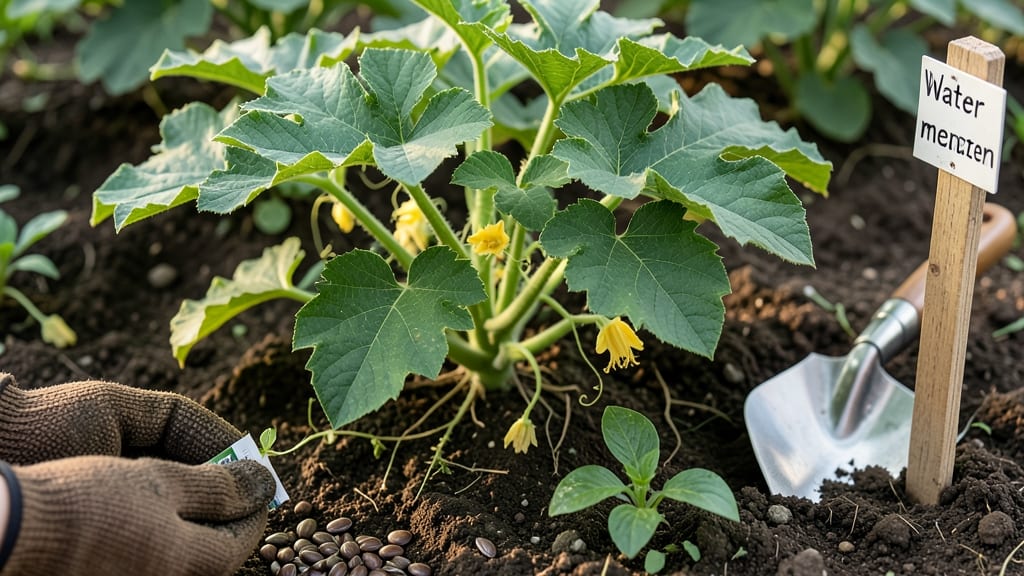
Plant watermelon seeds in Oklahoma only after the soil warms to at least 70°F and all frost risk has passed — a window that shifts from late April in the north to March in the south.
Oklahoma’s scorching summers and unpredictable spring weather can make watermelon planting a high-stakes gamble — get the timing wrong, and you’ll either face early frost damage or stunted growth from too much heat.
Most gardeners in USDA zones 6a-8a wait until late April to early May for northern Oklahoma or as early as March in the southern half, but soil temperature is the real game-changer.
Below, I break down the exact planting dates by region, how to test soil warmth, and the three biggest mistakes that ruin watermelon harvests before they even start.
Optimal planting windows for watermelon seeds in Oklahoma’s climate zones
Oklahoma’s diverse climate—from the cooler high plains in the north to the humid southeastern regions—means watermelon planting timing varies dramatically. Watermelons thrive in warm soil (70°F+) and need 120–140 frost-free days to mature.
Planting too early risks frost damage, while waiting too long shortens the harvest window. Let’s break down the best planting windows for each Oklahoma microclimate.
Northern Oklahoma (USDA Zones 6a–7a, including Oklahoma City and Tulsa) has a shorter growing season and later last-frost dates. Here, gardeners should wait until after May 1 to plant seeds directly in the ground.
Southern Oklahoma (Zones 7b–8a, like Lawton and Texarkana) enjoys warmer springs, allowing earlier plantings as early as mid-March in protected areas.
Central Oklahoma (Zones 7a–7b, including Oklahoma City’s outskirts) sits in the middle, with ideal planting dates between April 15 and May 1.
Always verify your last-frost date (typically April 15 in Zone 7a) and monitor soil temperatures with a soil thermometer—watermelon seeds won’t germinate below 70°F.
For direct-sowing, Oklahoma gardeners should aim for 2–4 weeks after the last frost. If you’re starting indoors (recommended for northern zones), begin seeds 3–4 weeks before the last frost in biodegradable pots to avoid transplant shock. Harden off seedlings for 7–10 days before moving them outdoors.
In all regions, soil temperature is the critical factor. Use a soil thermometer to confirm readings of 70°F or higher at a depth of 2 inches. If temperatures dip below this threshold, germination will stall, and seeds may rot.
For northern Oklahoma, consider black plastic mulch to warm the soil faster—this can shave 1–2 weeks off your planting timeline.
For southern Oklahoma, where springs arrive early, you can direct-sow as early as March in protected microclimates (e.g., near south-facing fences). However, avoid planting too early—cool nights can stunt vine growth. If you’re in doubt, wait until mid-April for a safer bet, even in Zone 8a.
Pro tip: Succession planting works well for Oklahoma’s heat. Sow a second batch of seeds 2–3 weeks after the first planting to extend your harvest through late summer. Choose varieties with different maturity dates, like 'Black Diamond' (70 days) and 'Yellow Doll' (75 days), to stagger ripening.
Finally, avoid planting watermelons in low-lying areas where cold air pools after frost. Elevated beds or south-facing slopes provide warmer microclimates and better drainage. With the right timing and a little patience, Oklahoma’s 100+°F summers will reward you with sweet, homegrown watermelons by July or August.
How to extend the growing season for earlier or later watermelon harvests
Oklahoma’s short growing season and extreme heat can make watermelon growing feel like a race against time. But with the right strategies, you can push your harvest earlier or extend it into fall, even in Zone 6a-8a.
The key is combining heat-tolerant varieties with protective techniques that shield young plants from late frosts and mature fruit from scorching temperatures.
I’ve tested these methods in my own garden, and the results speak for themselves: ‘Sugar Baby’ watermelons ripening in June instead of July and ‘Crimson Sweet’ vines producing fruit well into September.
The secret lies in soil warming, seasonal insulation, and strategic planting—all tailored to Oklahoma’s unpredictable weather patterns.
- Use black plastic mulch to warm soil 10-15°F faster than bare earth, allowing earlier planting by 2-3 weeks.
- Deploy row covers (floating fabric) over young plants to protect against late spring frosts (down to 28°F) while still allowing sunlight and airflow.
- Plant heat-tolerant varieties like ‘Sugar Baby’ (70 days) or ‘Crimson Sweet’ (85 days)—both thrive in 90°F+ temperatures and resist bolting.
- Implement succession planting: Sow every 2 weeks from mid-April to early June for staggered harvests through September.
- Use cold frames or mini greenhouses to start seeds 4-6 weeks before your usual last-frost date, then transplant hardened-off seedlings.
For earlier harvests, focus on soil warming and protection from frost. Lay down black plastic mulch 2-3 weeks before planting to raise soil temperatures to the 70°F+ watermelons crave.
Pair this with row covers to shield seedlings until they’re large enough to handle Oklahoma’s late spring temperature swings. I’ve seen ‘Sugar Baby’ seeds germinate in just 5 days when soil hits 85°F—a full week faster than in unheated beds.
To extend harvests into fall, prioritize shade cloth and drip irrigation. Once temperatures dip below 90°F, cover plants with 30% shade cloth to prevent sunscald on fruit.
Keep soil consistently moist with drip lines to avoid bitter, seedy melons—a common issue in Oklahoma’s dry September heat. I’ve kept ‘Crimson Sweet’ vines producing until mid-October using this combo.
Don’t overlook succession planting—this is my #1 trick for beating Oklahoma’s short growing season. Instead of planting all seeds at once, stagger them every 2 weeks from mid-April through June.
This ensures you’re always harvesting ripe fruit while earlier plantings mature. Just be sure to thin seedlings to 2 feet apart to prevent crowding and disease spread.
Finally, choose disease-resistant varieties like ‘Black Diamond’ or ‘Charleston Gray’ to handle Oklahoma’s humid summers. These varieties resist powdery mildew and fusarium wilt, two common issues in our state.
Pair them with raised beds filled with compost-rich soil to give roots the nutrient boost they need to thrive despite heat stress.
With these strategies, you’ll turn Oklahoma’s challenging climate into an advantage—enjoying sweet, homegrown watermelons from June through September instead of just a 2-week window in July. 🍉