
Plants
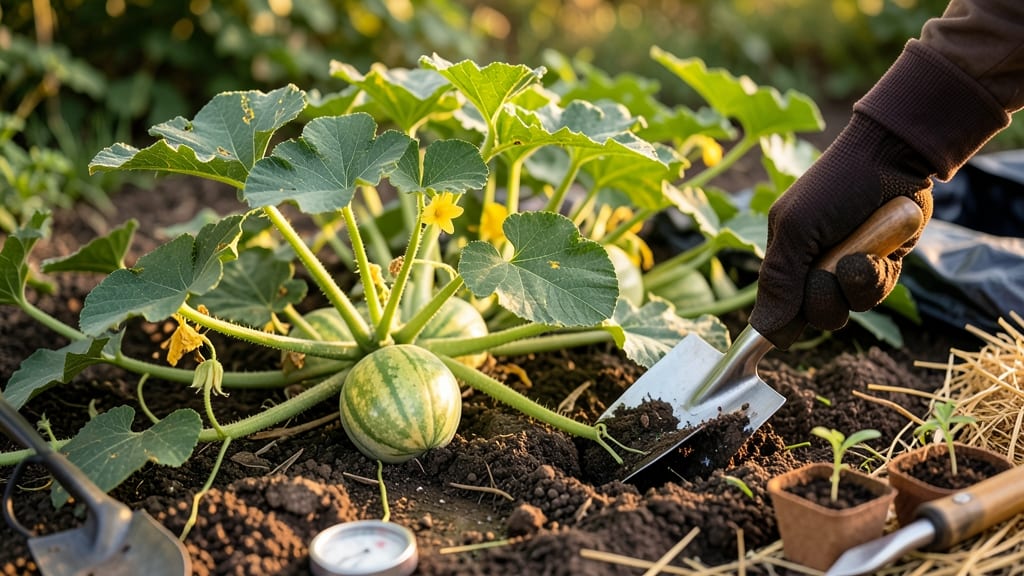
Planting watermelon in Oregon after the last frost date—typically mid-April to mid-June—sets you up for sweet, vine-ripened fruit 🍉.
Oregon’s unpredictable climate can make or break your watermelon harvest—but timing everything just right ensures juicy, vine-ripened fruit every time. Miss the window, and you’ll end up with bitter, underdeveloped melons (or worse, frost damage). Here’s your zone-by-zone guide to planting watermelons in Oregon without the guesswork.
Most of Oregon falls in USDA zones 7b-8b, where soil temperatures need to hit at least 70°F before planting. Coastal areas like the Willamette Valley may wait until late May, while Eastern Oregon’s dry heat allows for earlier starts.
The key? Monitor frost-free dates and soil warmth to avoid stunted growth.
Below, I’ll break down the best planting windows for your specific zone, how to adjust for Oregon’s microclimates, and the 5 biggest mistakes that ruin harvests. Ready to grow melons that actually ripen?
Oregon watermelon planting dates by hardiness Zone (USDA 7-9)
Oregon’s USDA zones 7b-9a create a tricky balance for watermelon growers—too early, and frost damage ruins your crop; too late, and shortened growing seasons leave melons underripe. The key is knowing your last frost dates and soil temperature thresholds.
In Portland (Zone 8a), the average last frost hits around April 15, while Medford (Zone 8b) warms up faster, often by March 20. Coastal areas like Astoria (Zone 7b) can lag until May 1 due to persistent fog.
Watermelons need soil temperatures of 70°F+ to germinate properly. In Oregon’s cooler zones (7b-8a), this typically means waiting until late May for direct sowing, while warmer inland areas (8b-9a) can start as early as mid-April.
If you’re eager to harvest, consider transplanting seedlings—they tolerate cooler soil better than seeds and give you a 2-3 week head start.
Here’s the critical comparison table for Oregon’s zones, showing direct-sow vs. transplant windows and soil temperature requirements to maximize your yield:
For Zone 7b gardeners, I recommend transplanting seedlings instead of direct sowing—this gives your melons enough time to mature before Oregon’s first frost in October. Use black plastic mulch to warm the soil faster and row covers for early starts.
In Zones 8a-8b, you can experiment with early direct sowing (mid-April) if you’re willing to risk a light frost or use a cold frame.
In Zone 9a, where winters are mild, you can push the envelope by planting as early as February—but beware of overly wet springs, which can cause seed rot. If your soil stays too cold or soggy, switch to transplanting hardened-off seedlings in early March.
Pro tip: Test soil temperature with a thermometer before planting—60°F is the absolute minimum, but 70°F+ ensures faster germination.
One mistake I see often is planting watermelons too close to the last frost date
How to adjust planting for Oregon’s microclimates (rainy west vs. dry east)
Oregon’s diverse microclimates can throw off even the most experienced gardener. The coastal fog near Astoria delays warmth, while Eastern Oregon’s high desert enjoys early-spring soil warmth. Watermelons need consistent 70°F+ soil to thrive, so adjusting planting times is key.
I’ve grown watermelons in both Willamette Valley humidity and Harney County dryness—here’s how to adapt.
In western Oregon’s wetter zones (USDA 7b-8b), coastal fog can linger until late May or June. Use row covers or cold frames to warm soil earlier. I’ve seen 3-4 week delays in coastal areas compared to inland spots.
For example, Portland’s last frost average is April 15, but Cannon Beach may wait until May 10 for safe planting.
Eastern Oregon’s high desert climate (USDA 7b-9a) offers a head start. Bend and Pendleton can plant watermelons as early as mid-April when soil hits 70°F. The trick? Black plastic mulch raises soil temps 5-10°F faster than bare ground.
I’ve had sugar baby watermelons ready for harvest by early July in these zones—6 weeks earlier than coastal gardens.
🌱 Oregon Microclimate Adjustments for Watermelons
- 🌧️ Coastal (Astoria, Seaside): Delay until May 15-June 1; use row covers for earlier starts
- 🌳 Willamette Valley (Portland, Eugene): Plant May 1-May 15; watch for humidity rot—space vines widely
- ☀️ Eastern Oregon (Bend, Redmond): Start April 15-May 1; use black plastic mulch to warm soil
- 🏜️ High Desert (Harney Co.): Plant March 30-April 15; protect from windburn with trellises
💡 Pro Tip: Test soil temp with a thermometer—watermelons won’t germinate below 70°F!
For humid Willamette Valley gardens, airflow is critical. I’ve lost entire crops to powdery mildew when vines grew too dense. Trellis varieties like Sugar Baby vertically to improve circulation. In dry eastern zones, drip irrigation prevents cracked fruit—Oregon’s hot afternoons can dry soil too quickly for surface watering.
One trick I swear by? Straw bale planting in wet zones. The bales insulate roots from cool, soggy soil while retaining moisture. I’ve had 20% larger melons using this method in McMinnville’s rainy springs. Pair it with a clear plastic tunnel for 10 extra frost-free days—game-changer for late starts.
Finally, seed-starting indoors buys time in cooler zones. Start seeds 4-6 weeks before your last frost date in biodegradable pots. Transplant after soil warms to avoid shock. I’ve grown heirloom watermelons in Seattle’s short season using this method—just harden off plants properly to avoid transplant stress.
Remember: Oregon’s microclimates are your advantage. Coastal fog delays? Use row covers. Desert heat? Mulch heavily. The key is observing your specific zone’s quirks and adjusting soil prep, planting dates, and protection methods accordingly.
With these tweaks, you’ll be slicing into homegrown watermelons by early August—no matter where you garden in Oregon. 🍉