
Plants
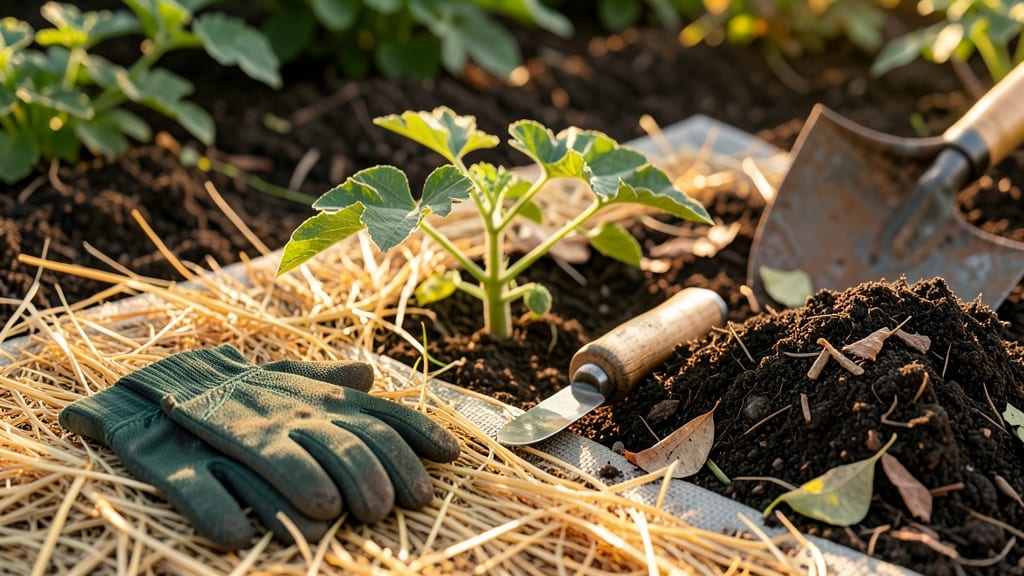
To plant watermelon in Tennessee, wait until soil temperatures hit at least 70°F—usually late April to early May—when frost risk fades and vines can thrive.
Skipping this step means stunted growth or worse: your seedlings could rot in cold soil. I’ve seen it happen more than once in East Tennessee’s cooler pockets, where Zone 6b can linger near frost well into May.
Here’s the secret: black plastic mulch warms the soil 10°F faster than bare earth, giving you a 2-week head start on the season. That’s how you turn a short summer into a bumper crop.
Below, I’ll break down the exact dates by region, the heat-tolerant varieties that perform best, and how to tell when your soil is finally ready for those sprawling 🍉 vines.
Optimal planting dates for Tennessee’s climate zones (Zone 6b-7b)
Tennessee’s USDA zones 6b-7b create distinct planting windows for watermelons, with East Tennessee (Zone 6b) typically needing a later start than Middle/West Tennessee (Zone 7b). The difference between these regions can mean 2-3 weeks in planting timing, which directly impacts your harvest size and ripeness.
In East Tennessee, where cooler nights linger longer, watermelon seeds should wait until after May 1st for direct sowing. Meanwhile, West Tennessee gardeners can start as early as April 15th in protected beds with black plastic mulch.
This regional shift reflects Tennessee’s 100-mile temperature gradient from the Appalachians to the Mississippi River.
Your last frost date is your first clue—but soil temperature is the real trigger. Watermelon seeds need 70°F+ soil to germinate reliably. In Nashville (Zone 7a), this usually aligns with mid-April, while in Chattanooga (Zone 7b), it’s often late April.
Use a soil thermometer to confirm readiness rather than relying on calendar dates.
For transplants (purchased seedlings), shift these dates 2 weeks earlier. This gives young plants a head start in Zone 6b areas where nights stay chilly. However, avoid transplanting before May 1st in East Tennessee, as cold snaps can still occur and stunt growth.
Here’s the critical window for each region, accounting for both direct sowing and transplanting:
| Region | Zone | Direct Sowing Window | Transplant Window | Soil Temp Trigger | Risk Factor |
|---|---|---|---|---|---|
| East TN (Chattanooga, Knoxville) | 6b | May 1 - May 15 | April 15 - April 30 | 70°F+ | Late frost risk |
| Middle TN (Nashville, Murfreesboro) | 7a | April 15 - May 1 | April 1 - April 15 | 70°F+ | Moderate frost risk |
| West TN (Memphis, Jackson) | 7b | April 1 - April 15 | March 20 - April 1 | 70°F+ | Low frost risk |
If you’re in Zone 6b and experience an unusually warm spring, you can push direct sowing to April 20th—but only if your soil stays above 65°F for 5+ days.
Use row covers or black plastic mulch to protect seedlings from unexpected cold snaps, which are more likely in East Tennessee’s valleys.
For late varieties (like 'Black Diamond'), extend your planting to June 1st in West Tennessee or June 15th in East Tennessee. These heat-tolerant varieties thrive in Tennessee’s summer heat and can produce fruit even when early plantings fail due to disease pressure.
Urban gardeners in cities like Nashville or Memphis may face heat islands that warm soil faster. Test your soil temperature in the morning (8-10 AM) for the most accurate reading. If your urban soil hits 75°F+ by mid-April, you can plant 2 weeks early compared to rural areas.
Protect your investment by monitoring local weather forecasts for 10-day outlooks. A forecast calling for 50°F nights after planting? Delay until soil warms further. Watermelons won’t forgive cold stress—stunted vines and poor fruit set are common results of rushing the process.
🍉
Soil temperature secrets: how to time watermelon planting like a pro
Watermelons thrive when planted in warm soil, but Tennessee’s spring temperatures can be unpredictable. A soil thermometer is your secret weapon—it reveals when conditions are perfect for germination.
In most of Tennessee, this means waiting until mid-to-late May for direct sowing, but early April starts are possible in West Tennessee’s Zone 7b if you use black plastic mulch to warm the soil faster.
Why soil temperature matters more than air temperature? Watermelon seeds need consistent warmth to germinate. Below 60°F, seeds rot or take weeks to sprout. Between 60°F and 70°F, germination speeds up, but 75°F+ is ideal for vigorous vine growth.
In East Tennessee’s cooler microclimates, this delay can mean the difference between a bountiful harvest and a failed crop.
⚠️ Cold Soil = Big Risks for Watermelons
Planting in cooler-than-60°F soil triggers these problems:
- Seed rot: Fungal infections kill seeds before sprouting.
- Stunted vines: Slow growth = fewer fruits and smaller melons.
- Blossom-end rot: Calcium uptake fails in cool conditions.
- Delayed harvest: Late planting = fewer days to ripen before frost.
To test your soil’s readiness, bury a soil thermometer 2 inches deep in full sun. Check temperatures daily for a week—aim for consistent 70°F+ readings before planting. Morning is best for testing, as temperatures drop at night.
Pro tip: West-facing beds warm faster than east-facing ones, giving you a 3–5 day head start in Tennessee’s spring.
Accelerate soil warming with these Tennessee-proven tricks:
- Black plastic mulch: Raises soil temps by 10–15°F within days. Lay it down 2 weeks before planting.
- Straw mulch: Adds 2–3°F warmth while retaining moisture—ideal for East Tennessee’s rocky soil.
- Clear plastic tunnels: Traps heat like a greenhouse; perfect for late-May starts in cooler zones.
Once your soil hits 75°F+, plant seeds 1 inch deep and 6 inches apart. In Tennessee’s heat, watermelons grow fastest with daily watering and morning fertilizing (use a 10-10-10 NPK blend).
But here’s the kicker: Overwatering in hot soil causes blossom drop. Let the top inch dry between waterings to balance growth.
Timing isn’t just about the calendar—it’s about soil conversations. Listen to your garden: Watermelons send up vines within 7–10 days of proper warmth. If yours take longer, your soil may still be too cool.
Adjust by adding mulch or waiting another week. Patience now means sweet, ripe watermelons by August—not bitter, underripe ones in October.