
Plants
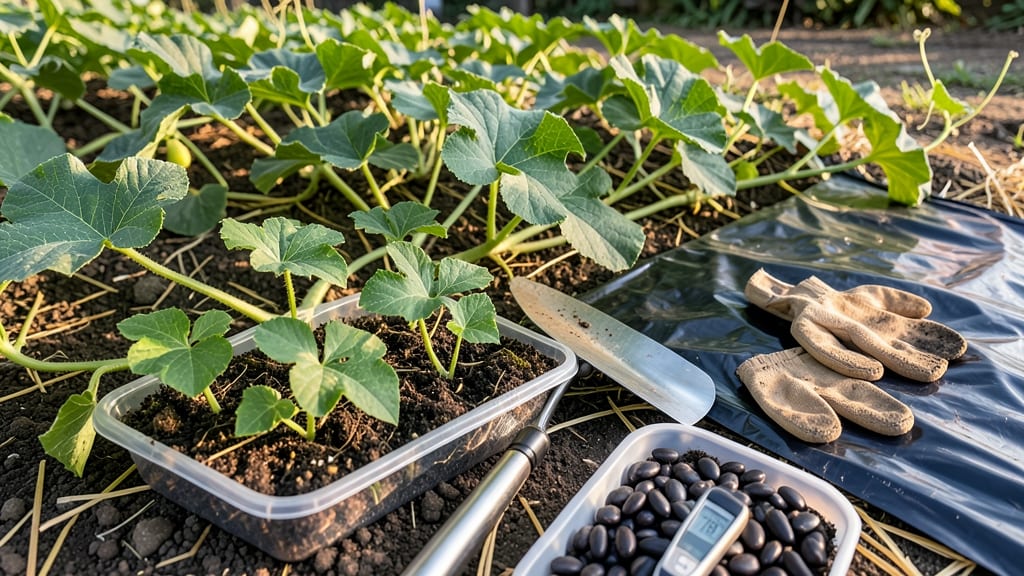
Plant watermelon seeds in NC when soil temperatures hit 70°F or warmer—this is the fastest way to guarantee strong, fast germination and a bumper crop 🍉.
North Carolina’s warm climate can turn your garden into a watermelon paradise—but timing is everything. Plant too early, and frost will ruin your crop; too late, and you’ll miss the sweet harvest. Here’s how to pinpoint the perfect soil temperature window for NC watermelon success.
Most NC gardeners wait until mid-April to early June, after the last frost, but soil temperature—not just air temperature—is the real game-changer. In the mountains, cooler soils mean a later start, while coastal areas can plant weeks earlier.
I’ll break down the exact triggers for each region so you can avoid common mistakes that slow growth or kill seeds.
You’ll also discover how to speed up germination with simple soil-warming tricks, the best spacing for NC’s humid summers, and companion plants that boost yields—no guesswork, just proven results for your zone.
Ideal soil temperature for planting watermelon seeds in NC
Watermelons thrive in warm soil, and getting the temperature right is the secret to fast germination. In North Carolina, soil must reach 70-90°F (21-32°C) for seeds to sprout reliably. Below this range, seeds rot or fail to break dormancy, while above 95°F, they may dry out before sprouting.
This window explains why coastal NC gardens plant earlier than mountain regions.
Soil temperature matters more than air temperature because seeds absorb heat directly from the ground. A soil thermometer is your best tool—insert it 2 inches deep in full sun to get accurate readings.
Without one, use the 50°F air temp rule: when daytime air hits 50°F consistently, soil below is likely warm enough. In NC, this typically aligns with late April to early June, but microclimates shift these dates by weeks.
Here’s how NC’s regions differ: Coastal areas (like Wilmington) can plant as early as mid-April when soil warms quickly, while the mountains (Asheville area) may need to wait until late May.
Piedmont regions (Raleigh/Durham) usually land in early to mid-May. These differences are why testing soil temp beats guessing based on calendar dates.
🌱
Early varieties like Sugar Baby germinate faster in cooler soil (70-75°F) and are ideal for coastal NC, while late varieties such as Black Diamond handle 85-90°F soil better, making them perfect for mountain gardens.
If you’re in a transitional zone (like the Piedmont), opt for mid-season varieties like Charleston Gray for flexibility.
To speed up soil warming, use black plastic mulch or clear plastic tunnels. These raise soil temps by 5-10°F within days, letting you plant 2-3 weeks earlier in cooler zones.
Just remove the plastic once vines emerge to prevent overheating. For mountain gardeners, this trick can mean the difference between a harvest and a failed crop.
Another pro tip: Soak seeds overnight in warm water before planting. This jumpstarts germination and helps seeds break through cooler soil faster. Pair this with deep planting (1 inch deep) to protect seeds from temperature swings at the surface.
In NC’s unpredictable spring, these small tweaks can mean faster, more reliable sprouts.
🌡️
If you’re unsure about your soil temp, watch for natural indicators. Dandelions blooming signal soil temps around 60°F, while clover thrives at 70°F—perfect for watermelons.
For a quick test, press your hand into the soil: if it feels warm (like a hot cup of tea), it’s ready. If it’s cool (like room temperature), wait a few more days. This method works surprisingly well for NC gardeners without fancy tools.
Remember, consistency is key—soil temps fluctuate daily. Check readings in the late afternoon when soil is warmest. In NC’s humid summers, maintaining 75-85°F soil during fruiting ensures sweeter melons. Use mulch or drip irrigation to stabilize temps and moisture, reducing stress on your plants.
Finally, NC’s last frost dates are just a starting point. Always confirm soil temps before planting, especially if you’ve had an unusually cool spring. By mastering this simple science, you’ll turn your NC garden into a watermelon powerhouse—no guesswork required.
☀️
NC-specific planting calendar: when to start seeds indoors vs. direct sowing
North Carolina’s varied climate means your watermelon planting timeline depends heavily on your region. The Eastern Coastal Plain enjoys earlier springs, while the mountains face later frost risks. For all regions, soil temperature is your best guide—watermelons need 70-90°F soil to germinate reliably.
Direct sowing is best for watermelons since they hate transplanting. However, starting seeds 4-6 weeks indoors can give you a head start in cooler zones. Use this region-by-region guide to time your planting perfectly and avoid common NC mistakes like late frosts or overcrowding.
In Eastern NC, you can start direct sowing as early as late April when soil hits 70°F. The Piedmont region should wait until early May to avoid late spring frosts, which can devastate young seedlings.
For mountain gardeners, row covers are your best friend—use them to protect seedlings until mid-June if needed.
Pro tip: Test soil temperature with a soil thermometer (bury it 2 inches deep). If it’s below 70°F, wait—cold soil delays germination by days or even weeks.
For direct sowing, plant seeds 1 inch deep and 12 inches apart in hills, with 3-4 seeds per hill for better success rates.
Remember, watermelons thrive in heat, so aim to have them established by June for a July-September harvest. In cooler mountain areas, choose shorter-season varieties like 'Sugar Baby' or 'Crimson Sweet' to ensure maturity before frost.
Always mulch heavily to retain soil warmth and moisture—this is especially critical in sandy Coastal Plain soils that dry out quickly.
For NC State Extension resources on local frost dates and variety recommendations, visit https://www.ces.ncsu.edu. Their planting calendars are updated annually and tailored to your county’s microclimate. Happy planting—your homegrown watermelons will be worth the wait! 🍉