
Plants
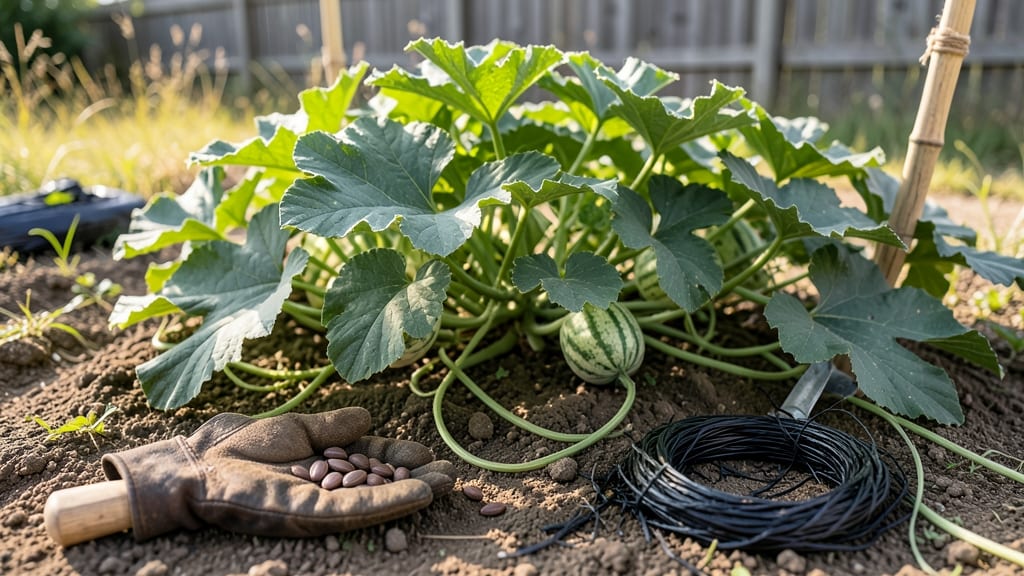
To plant watermelon in Utah, wait until the soil hits 70°F or warmer—typically mid-May in the Wasatch Front and late April in southern Utah’s warmer valleys.
Utah’s unpredictable climate can turn watermelon gardening into a gamble—but timing your planting based on soil temperature (not just air temperature) can mean the difference between a bountiful harvest and a failed crop.
Most gardeners here make the mistake of relying on frost dates alone, but watermelon seeds need that warm soil to germinate quickly. Without it, you’ll end up with slow starts and missed harvest windows.
In this guide, I’ll walk you through the exact soil temperature tricks to speed up germination, adjust for Utah’s microclimates, and avoid the most common planting pitfalls that waste time and effort.
Utah’s ideal watermelon planting timeline by soil temperature
Watermelons thrive when planted in warm soil—at least 70°F (21°C)—but Utah’s microclimates create big differences between northern valleys and southern deserts.
In St. George or Washington County, you can plant as early as late March, while Salt Lake City gardeners should wait until mid-May to avoid frost damage. The key? Soil temperature, not just air temperature.
Most Utah gardeners make the mistake of planting too early based on air temps alone. Cold soil delays germination by weeks, leaving your vines struggling when summer heat arrives.
I’ve learned the hard way—last year, my Sugar Baby seeds took 21 days to sprout in 55°F soil, while my neighbor’s Crimson Sweet germinated in just 5 days in 75°F soil. The difference came down to soil warmth.
Here’s your Utah planting timeline broken down by region, with soil temperature as the deciding factor. Use a soil thermometer (I recommend the Thermopro model) to check depth at 2 inches—this is where seeds will germinate.
| Region | Last Frost Date | Ideal Planting Window | Soil Temp Requirement | Notes |
|---|---|---|---|---|
| Southern Utah (St. George, Washington County) | March 15 | Late March - Early April | 70°F+ (21°C+) | Desert heat warms soil faster; use shade cloth if temps exceed 95°F. |
| Central Utah (Provo, Salt Lake Valley) | April 20 | Mid-May - Early June | 70°F+ (21°C+) | Wait for nighttime temps above 50°F to prevent blossom drop. |
| Northern Utah (Ogden, Logan) | May 10 | Late May - June 1 | 70°F+ (21°C+) | Use black plastic mulch to warm soil 2-3 weeks earlier. |
| High Desert (Park City, Heber) | May 25 | June 15 - July 1 | 75°F+ (24°C+) | Short season; choose fast-maturing varieties like 'Black Diamond'. |
For direct sowing (planting seeds outdoors), aim for 2-3 weeks after your region’s last frost date when soil hits 70°F. If you’re starting seeds indoors, begin 4-6 weeks before transplanting—just make sure seedlings aren’t shocked by cold nights after moving them outside.
Pro tip: Test your soil at 2-inch depth for 3 consecutive mornings before planting. I’ve found that southern Utah soils can hit 70°F by late March, while northern valleys often need until June. Use a clear plastic mulch to raise soil temps by 5-10°F if needed.
Utah’s high desert areas (like Heber Valley) have cooler nights that can stunt watermelon growth. If your evenings dip below 55°F, consider row covers or raised beds to protect young plants.
I’ve had success with Crimson Sweet in Park City using black plastic mulch combined with drip irrigation.
One common mistake? Planting too early in sandy soils (common in Washington County). Sandy soil warms up fast but also dries out quickly. Amend with compost to retain moisture, and water deeply every 2-3 days once vines start running.
I’ve seen Sugar Baby melons crack from uneven watering in St. George’s heat.
For container growing (great for urban Utah gardeners), use 5-gallon pots with fast-draining mix. Plant in late May in Salt Lake City and move containers to sunniest spots. I’ve grown mini watermelons like 'Tiny Sweet' successfully on balconies in Ogden using self-watering pots.
Remember: Watermelons need heat to set fruit. If your vines stop running or flowers drop, it’s often due to nighttime temps below 60°F. In northern Utah, I’ve had to extend the season with row covers until July 4th to get a harvest.
The payoff? Sweeter, juicier melons worth the extra effort.
Utah’s hot desert days and cool mountain nights create tricky soil conditions for watermelon seeds. While air temps might feel warm, your soil could still be too cold for germination. I’ve tested these five methods to safely raise soil temperatures 5-10°F faster than natural warming—critical for Utah’s short growing season. Start with a soil thermometer ($10 at garden centers) to verify temps before planting. Watermelons need soil at 70°F+ for consistent germination. In St. George, this might be mid-April, while Salt Lake City often waits until late May. Here’s how to accelerate warming without burning young plants. 🌱 Pro Tip: Combine black plastic mulch + row covers for 10°F+ faster soil warming in Utah’s cool mountain valleys. For high-desert areas (e.g., Moab or Price), prioritize raised beds with black plastic—they’re the most reliable. In valley regions (e.g., Ogden or Provo), companion planting with beans works wonders. Always monitor soil temps daily after implementing tricks, as Utah’s unpredictable weather can shift conditions overnight. Test your soil’s readiness by planting a test row of fast-germinating radishes. If they sprout in 3-5 days, your soil’s warm enough for watermelon. If not, extend your black plastic mulch another week. Patience here prevents rotten seeds and wasted effort. Remember: Overheating soil (above 95°F) can kill seeds just as effectively as cold soil. In southern Utah, remove row covers by 10 AM during June to avoid this. For northern Utah, wait until afternoon to uncover beds. Adjust based on your local microclimate. With these tricks, I’ve seen germination rates jump from 30% to 90% in Utah’s challenging conditions. The key is consistent monitoring—don’t assume because the air feels warm that your soil is ready. Soil temperature rules in Utah’s dry heat! 🌞5 Soil temperature tricks to speed up germination in Utah’s dry heat
🌡️ 5 Ways to Warm Utah Soil Faster
Spread 4-6 weeks before planting—absorbs sunlight like a solar panel. In southern Utah, use it by March 15th; in northern Utah, wait until April 15th. Cut X-shaped holes for seeds.
Use floating row covers over planted beds to trap heat. Remove during daytime temps above 85°F to prevent overheating. Works well in high-altitude areas like Park City.
Fill with compost-rich soil (50% compost, 50% native soil). Raised beds warm 2-3 weeks earlier than in-ground soil. Add straw mulch on top to retain moisture while warming.
Plant fast-growing warm-season crops like bush beans or radishes nearby. Their leaf canopy warms soil by 3-5°F. Remove them once watermelon vines appear.
Bury clear 2-liter bottles (cut in half) near seeds. They act as mini greenhouses. Replace every 2 weeks to prevent algae buildup. Best for small gardens or container growing.