
Plants
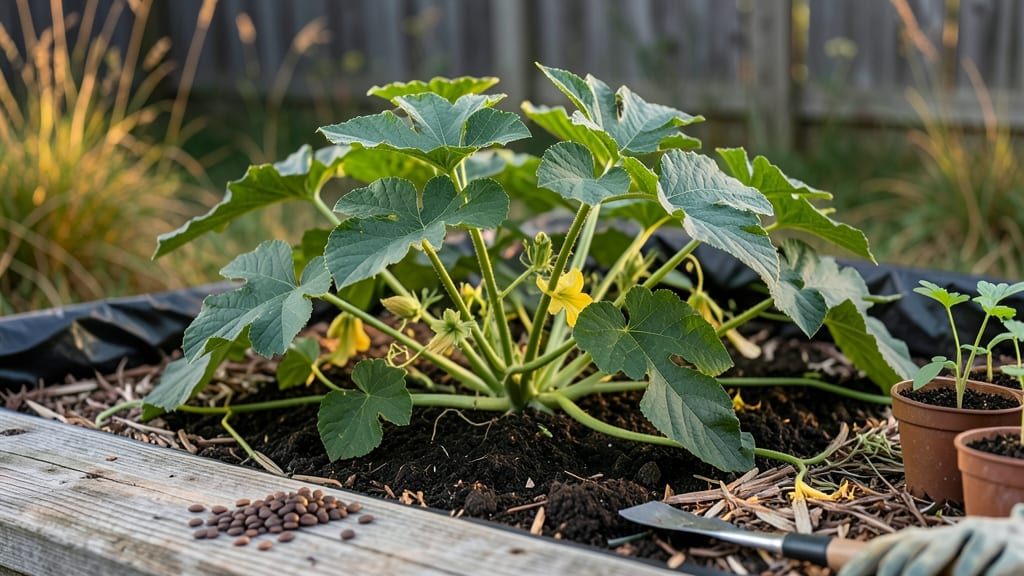
Planting watermelon in Virginia at the right time means the difference between a juicy, vine-ripping harvest and a sad, shriveled disappointment.
Virginia’s warm climate and long growing season make it a prime spot for homegrown 🍉—but timing is everything. Too early, and frost will kill your seedlings; too late, and the heat arrives before fruit sets.
I’ve lost count of the summers I’ve wasted on this mistake, and I’m here to save you from the same frustration.
Most Virginia gardeners plant watermelon seeds directly into warm soil after the last frost, typically between mid-April and early June. But soil temperature matters just as much as calendar dates—wait until the ground hits at least 70°F before you even think about sticking those seeds in the dirt.
In this guide, I’ll break down the exact planting windows for Virginia’s 7a zone, share the best varieties for your region, and reveal the one trick that extends your harvest by weeks—no matter where you garden in the state.
Best planting dates for watermelon in Virginia by hardiness zone
Virginia’s USDA zones 6b and 7b offer the perfect balance for growing watermelons, but timing is critical. The last frost date typically falls around April 15 in most areas, but soil warmth matters more than air temperature.
Watermelon seeds need soil temperatures above 70°F (21°C) to germinate properly—something that usually happens by mid-May in northern Virginia and late April in southern regions.
For gardeners in zone 6b, this means waiting until May 1 to start direct sowing, while zone 7b growers can begin as early as April 15 if using black plastic mulch to warm the soil faster.
Transplants, if available, can be set out 2-3 weeks earlier than direct-sown seeds, but they still require consistent warmth to thrive.
Here’s the breakdown of optimal planting windows for both zones, including soil temperature requirements and frost risk considerations:
If you’re growing heirloom or late-season varieties, consider a June planting for a second harvest. These melons will mature just in time for late summer festivals or fall markets.
However, avoid planting after July 1, as the vines need at least 75 days to produce fruit, and cooler fall temperatures slow growth significantly.
For transplants, start seeds indoors 4-6 weeks before your target outdoor date. Use biodegradable pots to minimize root disturbance when moving them outside. Harden off seedlings by placing them in partial shade for 3-5 days before transplanting to give them time to adjust to Virginia’s variable spring weather.
One critical mistake I’ve seen in Virginia gardens is planting too early to avoid frost. While it’s tempting to get a head start, cold soil causes seeds to rot, and frost-sensitive vines will die back if temperatures dip below 50°F (10°C).
Always check a local frost calendar and monitor soil temps with a soil thermometer for accuracy.
In zone 6b, where nights can still be chilly, use row covers or black plastic mulch to create a warmer microclimate. This can push your planting window back by 1-2 weeks without risking frost damage.
Just remember to remove covers during the day to prevent overheating, especially in zone 7b, where summer temperatures can soar.
For maximum yield, aim to have watermelons planted by mid-May in most of Virginia. This gives vines enough time to establish roots, produce flowers, and develop fruit before summer heat peaks.
Early planting also helps avoid powdery mildew, a common fungal issue in Virginia’s humid climate, by allowing vines to mature before fungal spores become airborne.
Pro tip: If you’re in a coastal area like Norfolk or Virginia Beach, you can plant 2 weeks earlier than inland zones. The moderating ocean influence warms soil faster and reduces frost risk.
Conversely, mountainous regions like the Blue Ridge may need to wait until late May to ensure soil warmth.
How to adjust planting timing for Virginia’s microclimates and soil conditions
Virginia’s diverse geography means your watermelon planting timing can vary dramatically even within a single county. Black soil in the Piedmont region warms faster than sandy loam in coastal areas, while urban heat islands can push your growing season by weeks.
Understanding these microclimates helps you avoid frost damage or stunted growth from cool soil.
Elevation also plays a role—mountain regions like the Blue Ridge have shorter growing seasons, while Tidewater areas enjoy longer heat exposure. These differences mean you might plant watermelon seeds in early May in Richmond but wait until mid-June in Roanoke.
Adjusting your schedule based on your specific conditions ensures healthier vines and sweeter fruit.
🌱
Adjusting for Virginia’s Microclimates
✅ Pros of Early Planting (Urban Heat Islands)
- Faster soil warming in cities like Norfolk or Alexandria
- Longer growing season due to urban heat retention
- Earlier harvests for late-summer varieties
❌ Cons of Early Planting (Cooler Regions)
- Frost risk in Roanoke or Blacksburg before May
- Slow germination in 60°F soil (ideal is 70°F+)
- Pest pressure increases with early planting
✅ Pros of Late Planting (Coastal Areas)
- Avoids early-season pests like cucumber beetles
- Warmer soil ensures better germination
- Extended harvest window in fall
❌ Cons of Late Planting (Anywhere)
- Shorter growing season for full-sized fruit
- Reduced yields if planted after July 1
- Heat stress in late-summer plantings
For sandy soil common in the Eastern Shore, add compost to retain moisture and warmth. In heavy clay areas like Fredericksburg, raise beds to improve drainage. Both adjustments help watermelons thrive despite Virginia’s varied conditions.
If you’re in a high-elevation area, consider container growing near south-facing walls to capture extra heat. For urban gardeners, reflective mulches can boost soil temperatures by 5-10°F, letting you plant earlier without frost risk.
🌡️
Always monitor your soil temperature with a probe—watermelon seeds won’t germinate below 70°F. In cooler zones, use row covers until vines establish, then remove them to prevent overheating. This balance ensures your watermelon plants grow strong and produce fruit before Virginia’s first frost in November.