
Plants
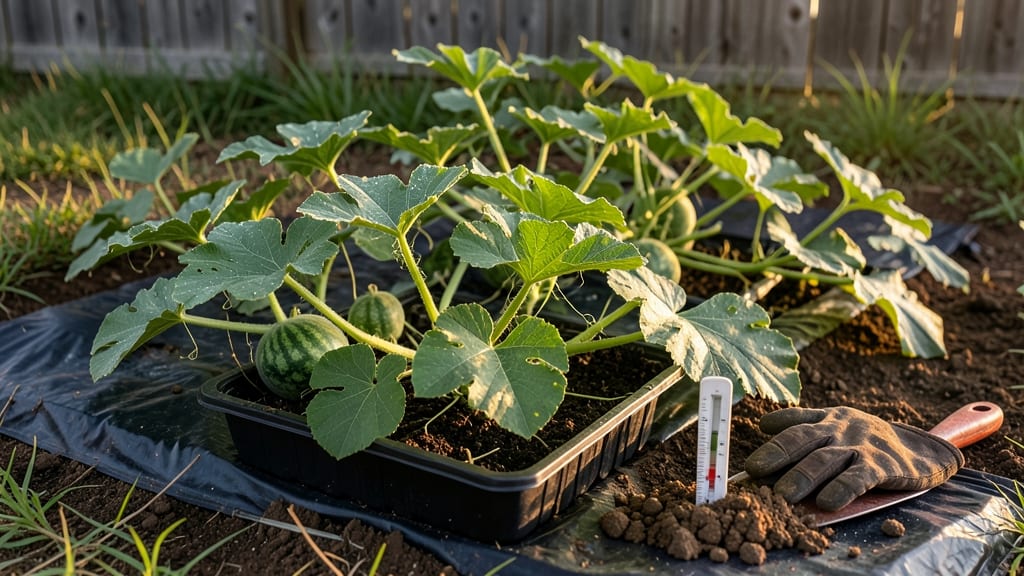
Planting watermelon in Virginia after your last frost—typically between late April and early May—sets you up for a bountiful summer harvest 🍉.
But here’s the catch: too early, and a late frost will kill your tender seedlings; too late, and your vines won’t have enough time to mature before fall.
Virginia’s 7a-8a climate zones mean your exact planting window depends on where you live, from Tidewater’s earlier start to the Shenandoah Valley’s later frost dates.
You’ll also need to wait until soil temperatures hit at least 70°F—cold soil slows germination, no matter how warm the air feels. And if you’re starting seeds indoors, you’ll want to transplant them just as the soil warms, avoiding the shock of moving them too soon.
In this guide, I’ll break down the best frost-free dates by region, whether to direct-sow or start indoors, and how to stretch your growing season for bigger, sweeter watermelons—no matter where in Virginia you garden.
Virginia’s frost-free dates by region: best planting windows for watermelon
Watermelons (Citrullus lanatus) love Virginia’s heat, but they’re frost-sensitive—even a light freeze can kill young vines. The key to success? Planting after your region’s last frost date when soil temperatures hit 70°F+.
I’ll break down the perfect windows for Virginia’s four main climate zones so you can time your planting like a pro.
Virginia’s frost-free dates vary dramatically from the coastal Tidewater (warmer) to the mountainous Shenandoah Valley (cooler). For watermelons, which need 90-120 frost-free days to mature, these differences matter. Let’s dive into the specifics so you can avoid late frosts and maximize your harvest.
A soil thermometer is your best friend here. Watermelon seeds won’t germinate below 60°F, but for healthy growth, aim for 70°F+ soil. In Virginia, this typically aligns with late April to early May, but your exact window depends on where you garden.
| Region | Last Frost Date | First Frost Date | Soil Temp Threshold | Direct Sow Window | Transplant Window |
|---|---|---|---|---|---|
| Tidewater (Norfolk, Virginia Beach) | March 15 - April 1 | November 1 - November 15 | 70°F+ (early April) | April 15 - May 1 | April 1 - April 15 (start indoors) |
| Piedmont (Richmond, Charlottesville) | April 1 - April 15 | October 15 - November 1 | 70°F+ (mid-April) | May 1 - May 15 | April 15 - April 30 (start indoors) |
| Shenandoah Valley (Staunton, Harrisonburg) | April 15 - May 1 | October 1 - October 15 | 70°F+ (late April) | May 15 - June 1 | May 1 - May 15 (start indoors) |
| Southwest (Roanoke, Blacksburg) | April 10 - April 20 | October 10 - October 25 | 70°F+ (mid-April) | May 10 - May 25 | April 25 - May 10 (start indoors) |
For direct-sowing (planting seeds straight into the ground), wait until the soil is consistently 70°F+—this usually means late April to early May in most of Virginia. If you’re transplanting seedlings, start them indoors 4-6 weeks before your region’s last frost date. Seedlings need warmth to establish roots quickly.
In the Tidewater region, you can even plant early-maturing varieties like ‘Sugar Baby’ as soon as mid-April. But in the Shenandoah Valley, hold off until mid-May to avoid late spring frosts. Pro tip: Use black plastic mulch to warm the soil faster and extend your planting window.
If you’re in a cooler microclimate (like higher elevations in the mountains), consider using row covers or a cold frame to protect young plants. This can buy you an extra 2-3 weeks of growing time before the first frost.
Remember, watermelons need 90-120 days to mature. If you plant too late, your fruits may not ripen before fall’s first frost. For example, in the Piedmont, planting after May 15 risks a short season.
Stick to these windows, and you’ll be slicing into juicy watermelons by July or August!
For late varieties like ‘Crimson Sweet
How to extend your watermelon growing season in Virginia’s cooler zones
Virginia’s Piedmont and mountain regions (USDA zones 6b-7a) often face shorter growing seasons and cooler soils, making watermelon cultivation challenging—but not impossible. With the right strategies, you can extend your harvest window by 4-6 weeks, ensuring sweet, ripe fruit before fall’s first frost.
The key lies in early varieties, protective structures, and smart planting techniques tailored to your microclimate.
For gardeners in Roanoke, Blacksburg, or the Shenandoah Valley, where frost can arrive as early as October 15, timing is critical. By combining cold-hardy varieties, season extenders, and succession planting, you can push your harvest into late September or early October.
Let’s break down the most effective methods to maximize your yield in these cooler zones.
- 1. Choose Early-Maturing Varieties: Opt for ‘Sugar Baby’ (65 days) or ‘Crimson Sweet’ (75 days)—both thrive in shorter seasons and tolerate cooler soils better than standard varieties.
- 2. Use Row Covers or Hoop Houses: Install floating row covers after transplanting to add 4-6°F warmth and protect against light frosts. Remove covers when flowers appear to allow pollination.
- 3. Start Seeds Indoors (4-6 Weeks Before Last Frost): Germinate seeds in biodegradable pots at 85-90°F, then transplant outdoors after soil reaches 70°F to jumpstart growth.
- 4. Plant in Cold Frames or Low Tunnels: A cold frame can extend the season by 3-4 weeks by trapping heat. Use clear plastic or glass to create a mini greenhouse effect.
- 5. Succession Plant Every 2 Weeks: Stagger plantings every 10-14 days from mid-May to early June to ensure a continuous harvest before frost.
One of the biggest mistakes in cooler zones is waiting too long to plant. While standard watermelon varieties need 80-90 days to mature, early varieties like ‘Black Diamond’ (70 days) or ‘Early Moon’ (75 days) are perfect for Virginia’s shorter seasons.
These varieties not only mature faster but also tolerate cooler soils, reducing the risk of poor germination or stunted growth.
Protective structures like row covers or hoop houses are game-changers for Piedmont gardeners. A simple floating row cover (made from lightweight fabric) can shield young plants from light frosts and chilly winds, allowing you to plant 2-3 weeks earlier than usual.
For even more warmth, pair row covers with black plastic mulch, which heats the soil by 5-10°F—ideal for watermelons that need soil temps above 70°F to thrive.
Don’t overlook the power of succession planting. Instead of planting all your seeds at once, space them out every 10-14 days from mid-May through early June. This ensures a steady harvest and reduces the risk of losing your entire crop to an early frost.
For example, plant ‘Sugar Baby’ on May 15, June 1, and June 15—this way, you’ll have ripe melons ready by late July, early August, and mid-September, respectively.
Finally, monitor your soil temperature closely. Use a soil thermometer to confirm the ground has warmed to at least 70°F before planting. In cooler zones, this might not happen until late May or early June.
If your soil is still cold, consider using black plastic mulch or a cold frame to accelerate warming. With these strategies, you’ll be well on your way to a bountiful watermelon harvest—even in Virginia’s cooler Piedmont and mountain regions! 🍉