
Plants
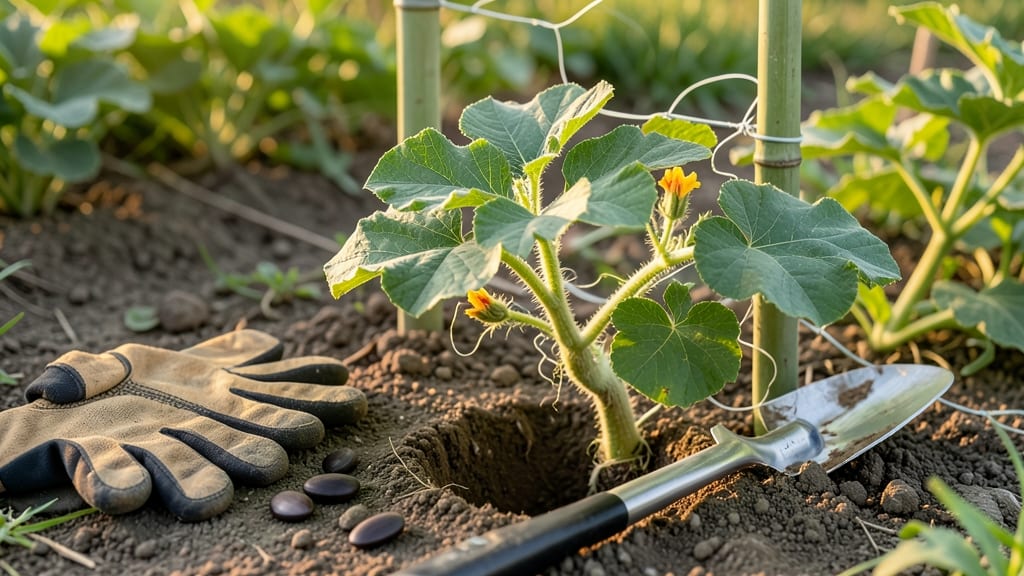
Plant watermelon seeds in Florida when soil temperatures hit 70°F or warmer, a rule that turns mid-February to early May for spring and late July to early September for fall.
Too early, and your seedlings will languish in cool soil; too late, and summer’s brutal heat arrives before the fruit ripens. I’ve watched 60-day varieties bolt in 95°F heat, and no one wants that.
Florida’s frost-free zones mean timing is all about heat tolerance—North Florida gardeners should start earlier than South Florida, where soil warms faster. The key? Wait for consistent 70°F+ days and prepare for fast growth.
Below, I break down the exact windows, soil tricks to speed up germination, and how to outsmart Florida’s humidity to get heavier, sweeter melons in record time.
Optimal planting windows for Florida watermelons by region
Florida’s frost-free climate gives watermelons a year-round advantage, but timing still matters. Since watermelons thrive in 70°F+ soil, planting too early risks cold-sensitive seedlings, while late planting may lead to heat stress before harvest.
Here’s how to align your schedule with Florida’s three distinct microclimates—North, Central, and South.
North Florida (USDA Zones 8a-9a) has cooler winters and earlier springs, while South Florida (Zones 10b-11) enjoys year-round warmth. Central Florida (Zone 9a-10a) falls in between. Each region’s soil warming patterns and heat wave timing dictate the best windows for seed starting and transplanting.
For all regions, aim to plant when daytime highs reach 75°F+ consistently. This ensures rapid germination (3-7 days) and vigorous vine growth. Early-season varieties like ‘Sugar Baby’ (60-day harvest) work best in cooler zones, while ‘Crimson Sweet’ (85-day harvest) thrives in heat.
🌱
| Region | Soil Temp Threshold | Spring Planting Window | Fall Planting Window | Best Varieties |
|---|---|---|---|---|
| North Florida | 70°F+ (consistent) | Mid-March to early April | Late July to early August | ‘Sugar Baby’, ‘Black Diamond’ |
| Central Florida | 70°F+ (consistent) | Late February to mid-March | Early August to mid-September | ‘Crimson Sweet’, ‘Charleston Gray’ |
| South Florida | 75°F+ (ideal) | January to early February | Mid-August to late September | ‘Jubilee’, ‘Congo’ |
In North Florida, wait until mid-March to avoid unpredictable cool snaps that can delay germination. Start seeds indoors 4-6 weeks before your target transplant date to give seedlings a head start. For fall planting, aim for late July to ensure vines mature before hurricane season’s humidity spikes.
Central Florida gardeners have the most flexibility, with late February being ideal for spring. However, avoid planting after mid-April, as summer heat stress can stunt growth. Fall plantings should start by early August to avoid late-season pests like cucumber beetles.
South Florida’s year-round warmth allows for January plantings, but heat waves in May can overwhelm seedlings. Opt for heat-tolerant varieties like ‘Jubilee’ and use shade cloth during peak afternoons if planting early. Fall plantings in mid-August give fruits time to ripen before winter’s milder temperatures.
Pro tip: Use a soil thermometer to confirm 70°F+ soil temps before planting. If temps dip below this, cover seeds with black plastic mulch to warm the soil 5-10°F faster. This is especially critical in North Florida’s cooler springs.
For container gardening, adjust timing by 2-3 weeks later—pots heat up faster but also dry out quicker. Place containers in full sun and water deeply every 2-3 days to prevent stress. Dwarf varieties like ‘Tiny Tim’ are perfect for balconies or small yards.
🌿
How to time watermelon planting for maximum heat tolerance
Florida’s intense summer heat can overwhelm young watermelon seedlings if not timed properly. The key is to establish strong roots before temperatures hit 90°F+, which stresses tender plants.
I’ve learned that soil temperature matters more than air temperature—seeds need 70°F+ soil to germinate reliably, while seedlings thrive when daytime highs are 85°F or below during early growth.
For spring planting, aim to have seedlings ready for transplanting by late April in North Florida or early April in South Florida. This timing ensures vines mature before the brutal June-August heat peaks.
Fall planting works similarly: start seeds indoors 8-10 weeks before your target transplant date in late July or early August.
- Step 1: Warm the soil 2-3 weeks before planting using black plastic mulch or clear plastic tunnels. Remove mulch 24 hours before transplanting to avoid shocking roots.
- Step 2: Start seeds indoors 3-4 weeks before last frost-free date (or late February for spring). Use biodegradable pots to avoid root disturbance.
- Step 3: Hardening seedlings begins 10 days before transplanting. Gradually expose them to afternoon sun and outdoor temps for 2-3 hours daily.
- Step 4: Transplant at dawn when soil temps are 70°F+. Bury stems 1-2 inches deeper than container level to encourage root growth.
- Step 5: Use shade cloth (30-50%) for first 7-10 days post-transplant to reduce stress. Remove gradually to avoid sudden heat shock.
- Step 6: Mulch heavily with straw or grass clippings (3-4 inches deep) to retain moisture and keep roots cool during heatwaves.
- Step 7: Water deeply every 2-3 days at soil level (not overhead) to prevent fungal diseases. Early morning watering is critical.
One of my biggest mistakes was transplanting seedlings too early in March—they wilted under 88°F days before roots could establish. Now, I wait until soil thermometers confirm 70°F+ consistently.
For extra protection, I’ve started using row covers during midday heat (11 AM–3 PM) for the first 2 weeks after transplanting.
Organic mulches like straw or wood chips work wonders in Florida’s heat. They block 90% of sunlight from hitting the soil, keeping temperatures 10-15°F cooler than bare ground.
Pair this with drip irrigation to deliver water directly to roots, avoiding wet foliage that invites powdery mildew—a common issue in Florida’s humid summers.
Remember, watermelons need consistent moisture but hate soggy roots. Let the top 1-2 inches of soil dry between waterings to prevent rot. If your area experiences drought-like conditions, increase watering to every other day while keeping an eye on leaf curl—a sign of stress.
With these strategies, your watermelon vines will thrive through Florida’s heat and produce sweet, ripe fruit before the season ends. The secret? Patience and preparation—don’t rush the process! 🌱☀️