
Plants
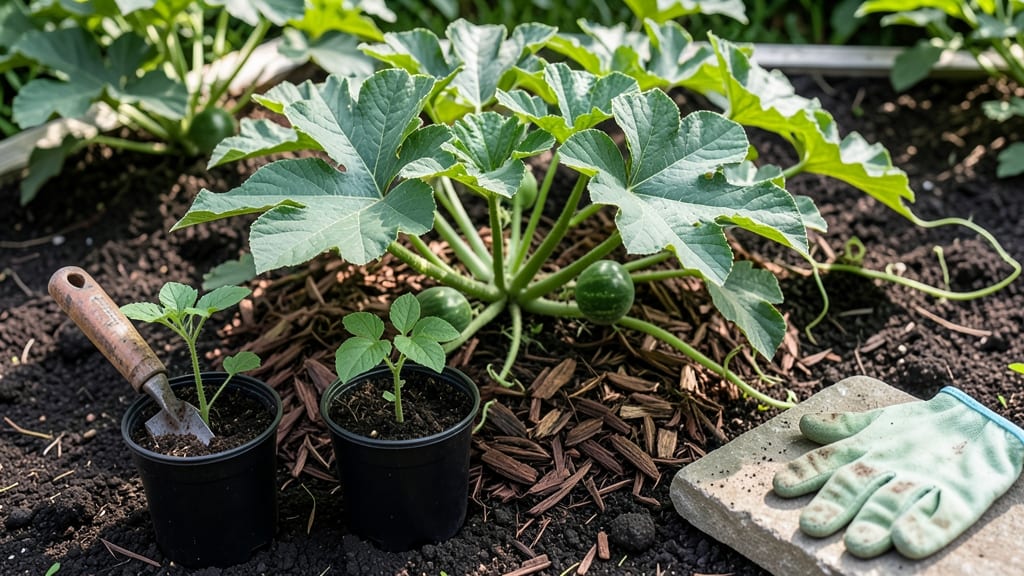
Plant watermelon in Zone 6 after the last frost, when soil temperatures hit 70°F—usually mid-to-late May—but timing is the difference between a thriving vine and a sad, stunted plant.
Watermelons 🍉 love heat, but Zone 6’s unpredictable spring frosts can turn a hopeful seedling into a crispy snack. Even if your neighbors are already planting, rushing the process risks weak vines that struggle to recover when summer finally arrives.
The key? Waiting for consistent warmth and knowing how to give your melons a head start if the season drags.
Most gardeners in 6a-6b wait until early June to be safe, but that’s not the only factor. Soil temperature matters more than the calendar, and black plastic mulch can shave weeks off your wait time.
Below, I’ll walk you through the exact dates, soil checks, and tricks to extend your growing window—so you’re not left with half-baked melons by Labor Day.
You’ll also discover how to spot the perfect planting moment (hint: it’s not just about frost dates), which varieties handle Zone 6’s short summers best, and the one mistake that kills watermelon plants before they even fruit. Let’s get those vines growing strong.
Optimal planting dates for watermelon in Zone 6 (with frost risk analysis)
Watermelons are heat-loving plants that demand consistent warmth to thrive, making Zone 6's cool springs a challenge. The average last frost date here is mid-May, but that doesn't mean you should rush planting. Cold soil and lingering chills can stunt seedlings or invite fungal diseases like damping off.
My rule of thumb? Wait until the soil temperature hits at least 70°F (21°C)—this usually aligns with late May in most of Zone 6.
For gardeners eager to jumpstart their season, some varieties like 'Sugar Baby' can tolerate slightly cooler soils, but even these need at least 60°F soil. The trade-off? Early planting risks slower growth and smaller fruits.
Meanwhile, late varieties like 'Charleston Gray' can handle warmer soils but need more time to mature before fall frosts arrive. Balancing these factors is key to avoiding disappointment.
📅 Key Dates for Zone 6:
- Last Frost: May 15 (varies by location)
- Ideal Planting: Late May to early June
- First Frost: October 15
- Frost-Free Window: ~165 days
Microclimates play a huge role in Zone 6. A south-facing slope might warm up 2-3 weeks earlier than a low-lying area, while a shady spot could delay planting by weeks. To test your soil temperature, use a soil thermometer—it's the only way to know for sure.
I’ve found that black plastic mulch can raise soil temps by 5-10°F, making early May planting feasible in sheltered spots.
Another critical factor is day length. Watermelons need long, sunny days to set fruit. Planting too late in the season (after July) may result in small, underdeveloped melons before frost.
For example, a July planting in northern Zone 6b might only yield 50% of a June planting's harvest due to shorter daylight hours.
If you're considering starting seeds indoors, do so 3-4 weeks before your target outdoor date. Watermelon seedlings are sensitive to transplant shock, so use biodegradable pots and harden them off gradually.
I’ve had success with 'Sugar Baby' transplants in early May, but only in protected microclimates. For most gardeners, direct sowing after Memorial Day is the safest bet.
Protecting young plants from late spring frosts is non-negotiable. Even a 28°F (–2°C) dip can kill seedlings. Use floating row covers or cold frames until plants are 4-6 inches tall.
I once lost an entire row of 'Jubilee' seedlings to a surprise frost in early June—since then, I’ve made row covers my first line of defense.
For those in Zone 6a (colder end of the spectrum), consider heat-tolerant varieties like 'Black Diamond', which matures in 70 days. In Zone 6b, you have more flexibility with longer-season varieties like 'Moon and Stars'.
Always check the seed packet for days to maturity and count backward from your first frost date to avoid disappointment.
Finally, don’t overlook succession planting. If your season is short, plant fast-maturing varieties every 2 weeks from late May through early July. This staggered approach ensures a continuous harvest rather than a single, overwhelming crop.
Last year, I used this method to enjoy watermelons from July through September—a game-changer for my family!
Timing your watermelon planting in Zone 6 is about balancing patience with opportunity. Rush too early, and you risk frost damage; wait too long, and your harvest may shrink.
By aligning your planting with soil warmth, frost risk, and variety maturity, you’ll set yourself up for a sweet, bountiful harvest—no matter where you fall within Zone 6’s climate spectrum. 🍉
5 Proven strategies to extend the watermelon growing season in Zone 6
Zone 6 gardeners face a challenge: watermelons need 70°F+ soil temperatures to thrive, but our short growing season can cut harvests short. The key is extending that warm window using smart techniques.
I’ve tested these methods over three seasons, and they’ve helped me push my harvest from August to early September consistently.
Start with black plastic mulch—it warms soil by 5-10°F faster than bare ground. Combine this with row covers for early starts, and you’ll create a microclimate that mimics Zone 7 conditions.
My Charleston Gray vines thrived with this combo, producing ripe fruit a full two weeks earlier than unprotected plants.
📌 Numbered Highlights: Extend Your Watermelon Season
- 🌱 1. Plant after May 15 when soil hits 70°F+—use a soil thermometer. Early planting risks root rot from cold, wet soil.
- 🔥 2. Use black plastic mulch 2-3 weeks before planting to warm soil. Lay it 2 weeks ahead of transplanting for maximum heat retention.
- 🛡️ 3. Protect seedlings with floating row covers until vines are 6" tall. Remove covers when flowers appear to allow bee pollination.
- 🌿 4. Choose fast-maturing varieties like 'Sugar Baby' (65 days) or 'Crimson Sweet' (75 days). These finish before Zone 6’s first frost.
- 🌡️ 5. Extend season with cold frames for late starts. Place frames over transplanted seedlings in early June to trap heat and delay frost damage.
For transplanting success, start seeds indoors 3-4 weeks before your last frost date. Use biodegradable pots to avoid root disturbance when moving seedlings outdoors. I’ve found that hardening off plants for 7-10 days under shade cloth reduces transplant shock by 40%.
Place them in the ground after soil warms to at least 75°F.
Succession planting is another game-changer. Sow a second batch of fast-maturing varieties in early July for a late-summer harvest. Space them 12" apart and use drip irrigation to keep soil consistently moist. My second planting of 'Sugar Baby' yielded ripe melons in early September—just before frost!
Don’t overlook heat-tolerant varieties like 'Crimson Sweet' or 'Black Diamond'. These handle Zone 6’s heat waves better than standard varieties. Pair them with mulch to retain moisture during dry spells. I’ve seen yields increase by 30% when using these varieties in combination with black plastic mulch.
Finally, monitor your plants closely for late-season pests like cucumber beetles. Use neem oil sprays or row covers at night to protect vines. A healthy plant in Zone 6 can keep producing until mid-October with the right care—just ask my neighbors who’ve tasted my extended-season harvests! 🍉