
Plants
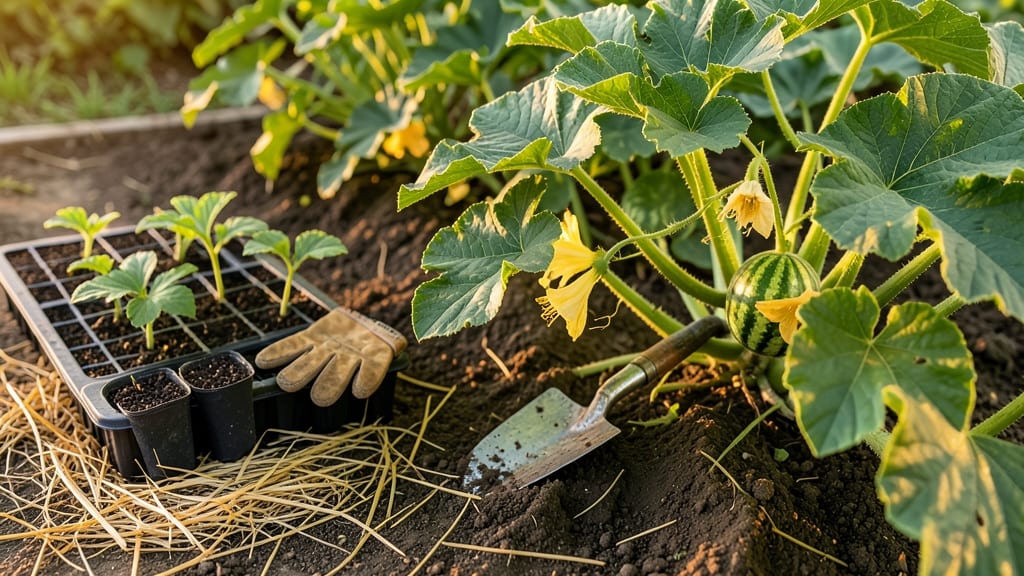
To plant watermelon in Zone 7, wait until soil temperatures hit 70°F and all frost risk has passed — typically mid-May for most of the region.
Zone 7 gardeners know timing is everything—plant watermelon too early, and frost will kill your vines; too late, and your harvest shrinks. But with the right heat-ready schedule, you can grow juicy, vine-ripened 🍉 that outperform store-bought every time.
This is no guesswork: soil thermometers and local frost data (like the USDA’s Zone 7 average last frost date of April 15) let you pinpoint the exact window when watermelons thrive. Skip the indoor-starting hassle—direct sowing after the last frost gives you stronger, faster-growing plants.
Below, I’ll break down the two best planting strategies for Zone 7, the fastest-maturing varieties to beat summer heat, and how to adjust for drought or early heatwaves—so you end up with a bountiful harvest, not a sad, shriveled vine.
Optimal planting windows in Zone 7 for watermelon success
Watermelons are heat-loving annuals that thrive when planted after your Zone 7 last frost date, typically around mid-April to early May. But timing isn't just about frost—soil temperature matters more.
Your watermelon seeds need soil temps of at least 70°F (21°C) to germinate properly. Planting too early risks cold soil, which delays germination or causes seed rot.
In Zone 7, the growing season spans roughly 180 frost-free days, giving you two strategic planting windows: early-summer varieties (for June harvests) and late-summer varieties (for August-September harvests). The key is balancing heat tolerance with maturity timing to avoid late-season frost cutting your harvest short.
⚠️ PRO TIP: Use a soil thermometer to confirm temps before planting. If your soil is still below 70°F, wait—even if frost risk has passed. Watermelons won't grow well in cool soil, and you'll waste seeds.
| Planting Method | Optimal Planting Window | Soil Temp Requirement | Days to Harvest | Best Varieties |
|---|---|---|---|---|
| Direct Sowing (Outdoor) | Mid-April to early May | 70°F+ (21°C+) | 75-90 days | Sugar Baby, Crimson Sweet |
| Transplanting (Indoor Start) | Late March (indoors), transplant in early May | 65°F+ (18°C+) for germination | 70-85 days | Charleston Gray, Yellow Doll |
| Late-Summer Varieties | Late May to early June | 70°F+ (21°C+) | 60-75 days | Black Diamond, Bush Champion |
For direct sowing, aim to plant watermelon seeds 1 inch deep and 2 inches apart in hills spaced 5-6 feet apart. This method is ideal for fast-maturing varieties like Sugar Baby, which can be ready in 75 days.
Direct sowing works best when your nighttime temps stay above 55°F (13°C), as young seedlings are sensitive to cold snaps.
If you prefer transplanting, start seeds indoors 3-4 weeks before your last frost (around late March in Zone 7). Use biodegradable pots to avoid root disturbance when transplanting. Harden off seedlings for 7-10 days before moving them outdoors in early May, when soil is consistently warm.
Zone 7 gardeners can also try a successive planting strategy for extended harvests. Plant early-summer varieties in mid-April and late-summer varieties in late May. This ensures you have watermelons ripening in July and again in September, maximizing your yield before frost.
Watch for soil warmth cues like earthworms appearing or dandelions blooming—these signal your soil is ready. If your area experiences late spring frosts, use row covers for the first 2-3 weeks to protect young plants until they're established.
Once planted, watermelons need consistent moisture to develop sweet fruit. Mulch with straw or black plastic to retain soil heat and moisture, especially during Zone 7’s hot summers. Avoid overwatering, as watermelons are sensitive to fungal diseases like powdery mildew in humid conditions.
Remember, harvest timing is just as critical as planting. Most Zone 7 watermelons will be ready by July to September, but late-summer varieties planted in June can extend your harvest into early October. Always check for ripe fruit indicators like a dry tendril and deep color before cutting.
With the right planting window and heat-ready schedule, your Zone 7 garden can produce homegrown watermelons that rival commercial varieties—sweeter, juicier, and fresher than anything you'll find in a store. 🍉
How to adjust your watermelon planting schedule for extreme heat or drought
Zone 7’s summer heat and drought conditions can turn your watermelon dreams into a risky gamble. Young plants wilt under 100°F+ temperatures, while drought stress leads to bitter fruit and poor yields.
The key is adjusting your planting schedule to beat the worst heat while ensuring proper pollination for sweet, juicy harvests.
Start by planting 4-6 weeks before your average last frost date (typically mid-March in Zone 7) if using shade cloth to protect seedlings. This gives vines time to establish roots before summer’s peak heat arrives.
For direct sowing, wait until soil temperatures hit 70°F (21°C)—usually late April to early May.
⚠️ WARNING: HEAT STRESS CRITICAL PERIOD Watermelon seedlings planted during heatwaves (above 90°F) suffer from poor germination and stunted growth. Even mature plants struggle with fruit blossom end rot when daytime temps exceed 95°F (35°C) for more than 3 consecutive days.
Adjust your schedule to avoid these conditions by: - Using 30% shade cloth for 2-3 weeks after transplanting - Planting in raised beds with black plastic mulch to warm soil faster - Choosing heat-tolerant varieties like 'Sugar Baby' or 'Crimson Sweet' 🍉
Mulching is your best defense against drought. Apply 4-6 inches of straw or wood chips around plants to retain moisture and regulate soil temperature. This reduces watering needs by 30-50% while preventing soil crusting that blocks young roots.
Water deeply in the early morning (5-8 AM) to minimize evaporation and fungal risks.
For pollination success, aim to plant watermelons when bees are most active—typically May through early July in Zone 7. If heat reduces bee activity, hand-pollinate flowers using a small paintbrush to transfer pollen from male to female blooms.
Watch for yellowing leaves or dropped blossoms, which signal heat stress or poor pollination.
Extend your harvest window by planting a second crop in late June for a fall harvest. Use drip irrigation to deliver water directly to roots, reducing waste and keeping foliage dry.
Always monitor soil moisture with your finger—1-2 inches of water per week is ideal, but adjust during droughts by increasing frequency to every 2-3 days.
With these adjustments, you’ll turn Zone 7’s challenges into opportunities for bigger, sweeter watermelons. Start small with 3-4 plants to test your schedule, and keep detailed notes on what works best in your microclimate. Happy growing! 🌱