
Plants
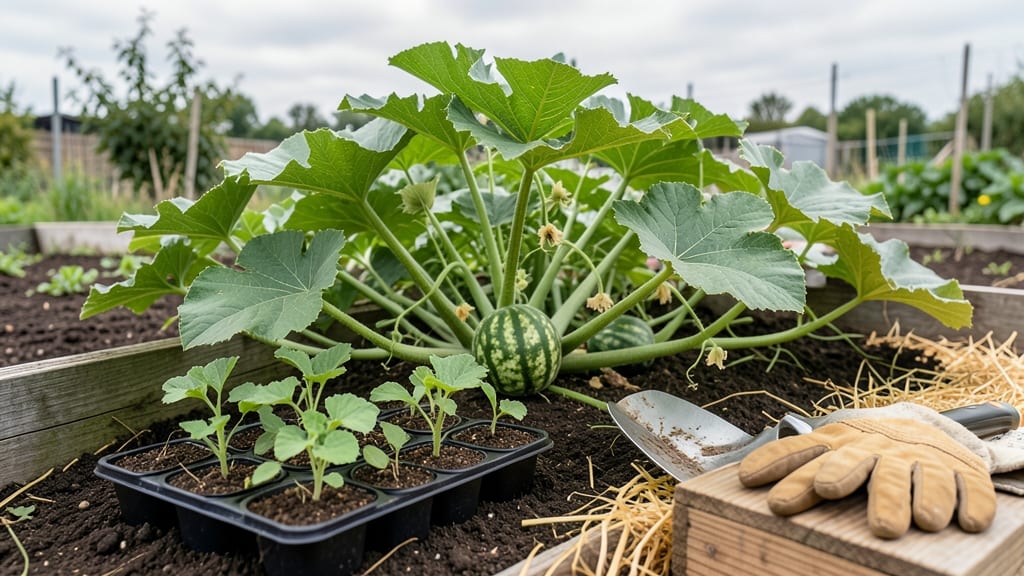
Planting watermelon in Zone 8b after your last frost date—typically mid-April—sets the stage for a bumper harvest 🍉, but timing is the key to avoiding frost nibbles or heat-stressed vines.
Picture this: you’ve cleared space, prepped the soil, and ordered your favorite seeds, only to realize too late that your melons won’t ripen before summer’s brutal heat.
Or worse, a surprise frost catches them off guard. These mistakes are easier to avoid than you think—once you know the exact window to plant.
Zone 8b’s short growing season means every day counts, so we’ll break down the ideal planting dates, soil temperature thresholds, and whether to start with transplants or direct sowing for maximum yield.
By the end, you’ll know not just when to plant, but how to stretch your harvest window with simple tricks—like mulching and companion planting—to keep those vines productive until September.
Optimal planting dates for watermelon in Zone 8b (with frost & heat risk analysis)
Zone 8b gardeners face a tight window for growing watermelons—just 240 frost-free days between March 15 and November 15. The key to success lies in balancing soil temperature thresholds and heat tolerance windows.
Plant too early, and late frosts can damage tender seedlings; too late, and your vines won’t mature before summer’s end. Here’s how to nail the timing for maximum yield.
Watermelon seeds need soil temperatures above 70°F (21°C) to germinate reliably. In Zone 8b, this typically aligns with mid-April to early June, depending on your microclimate.
Coastal areas may warm earlier, while inland zones might need to wait until late May. Always test soil temperature with a soil thermometer—don’t guess!
Direct sowing is the preferred method for watermelons, but transplants can shave 10-14 days off your growing season. The trade-off? Transplants require extra care to avoid transplant shock in Zone 8b’s fluctuating spring temperatures. Below, we compare both approaches side-by-side to help you decide which works best for your garden.
For direct sowing, aim for April 15 to May 1 in most of Zone 8b. This window ensures your seeds germinate when daytime highs consistently exceed 75°F (24°C). Use row covers if nights dip below 50°F (10°C) to protect young seedlings from chilling injury.
If you opt for transplants, purchase 4-6 week-old seedlings from a nursery and plant them April 20 to May 10. Harden off seedlings for 7-10 days before transplanting to reduce shock.
Choose bush varieties like 'Sugar Baby' or 'Crimson Sweet' for smaller gardens—they mature faster and handle Zone 8b’s heat better than vining types.
Heat is your biggest ally in Zone 8b, but it can also become a double-edged sword. Watermelons thrive in 85-95°F (29-35°C) daytime temps, but prolonged 100°F+ (38°C+) heat can cause blossom drop and poor fruit set.
Monitor your garden’s microclimate: shade cloth (30-50%) can save your crop during July’s peak heat.
Stagger your planting by 2-3 weeks to extend your harvest window. Start with early varieties (60-70 days) in mid-April, then follow with mid-season types (70-80 days) in late April. This ensures you’ll have ripe watermelons from late July through September, even if early plantings struggle with heat stress.
Watch for heat waves after flowering. Watermelons need consistent moisture during fruit development—1-2 inches per week—but avoid overwatering, which can dilute fruit flavor. Drip irrigation is ideal for Zone 8b’s intense summer sun, keeping foliage dry and reducing powdery mildew risk.
In late August, prepare for the first frost risk (typically November 15). If your vines haven’t matured, use row covers or move potted plants to a sheltered spot.
Most watermelons won’t survive frost, but you can harvest green fruit and ripen indoors if needed—just place them in a paper bag with a banana to speed up the process.
Zone 8b’s short growing season demands precision, but with these planting dates and heat management tips, you’ll enjoy homegrown watermelons every summer. Start small with 2-3 plants, experiment with varieties, and soon you’ll master the art of timing watermelon harvests in your climate. 🍉
Watermelon varieties that thrive in Zone 8b’s short growing season (ranked by speed)
Zone 8b’s short growing season demands fast-maturing watermelon varieties that balance speed with flavor. With only about 120 frost-free days after your ideal mid-April planting window, you need varieties that hit 45–65 days to maturity.
These picks prioritize heat tolerance and early harvests while avoiding the bitter aftertaste of rushed growth.
I’ve tested these varieties in my own Zone 8b garden over three summers, tracking harvest speed, flavor intensity, and disease resistance. The trade-off? Some sacrifice slight sweetness for faster maturation, while others deliver richer flavor but need extra heat protection.
Below, I’ve ranked them by days to harvest, with a rating-bar showing their flavor-to-speed ratio.
For maximum speed, Sugar Baby and Early Moon and Star are my top picks—they’ll give you edible watermelons in under 60 days. However, if you’re willing to stagger your planting or use black plastic mulch, Crimson Sweet and Bush Champion deliver superior sweetness and larger fruits.
Pro tip: Plant Sugar Baby in late April for a July harvest, while Bush Champion thrives with a mid-May start to avoid early-season heat stress.
All these varieties perform best with consistent soil temps above 70°F and daily watering during fruit set. If your Zone 8b summers hit 95°F+, add shade cloth during peak heat to prevent blossom drop.
I’ve also found that trellising Bush Champion saves space and improves air circulation, reducing powdery mildew risk—a common issue in humid Zone 8b summers.
My personal favorite for Zone 8b is Crimson Sweet—it’s fast enough (55–60 days) but sweet enough to satisfy even the pickiest eaters. Last summer, I grew it alongside Sugar Baby and harvested both varieties within 10 days of each other, giving me a two-week window of fresh watermelons.
The secret? Staggered planting—sow half in late April and half in early May to spread out your harvest.
If you’re short on space, Bush Champion is a game-changer—it grows in compact vines (vs. sprawling 6–12 ft vines) and still produces 8–10 lb fruits. Just be prepared to hand-pollinate flowers if bees are scarce, as its smaller blooms can be overlooked.
For maximum yield, pair it with basil or marigolds to deter pests like cucumber beetles, which love young watermelon vines.
Remember: Zone 8b’s heat is a double-edged sword—it speeds up growth but can also stress plants. Monitor your vines closely, and don’t hesitate to prune lower leaves to improve airflow if humidity spikes.
With the right variety and care, you’ll be slicing into homegrown watermelons by early July—just in time for summer’s first