
Plants
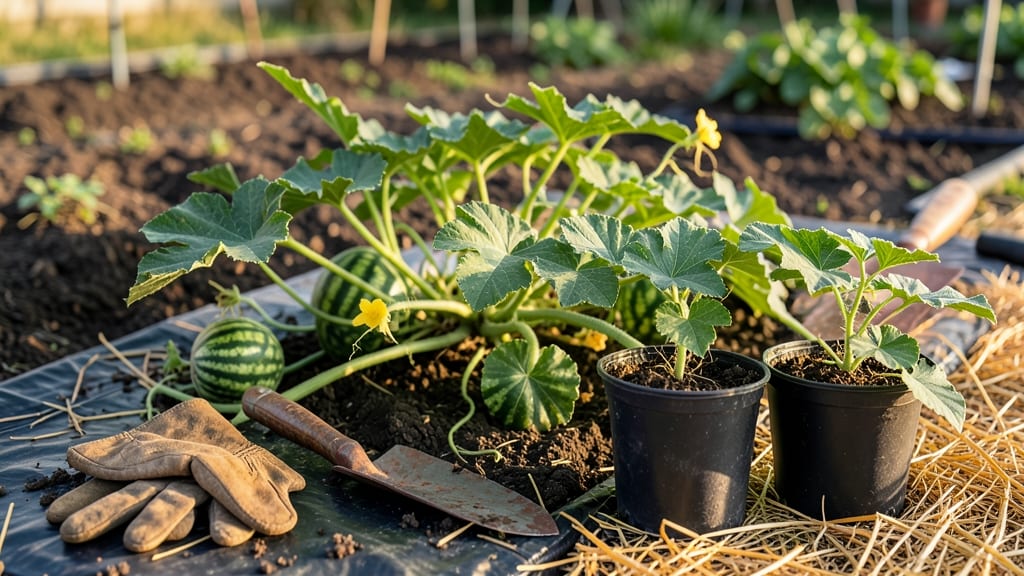
To plant watermelon in Zone 9, aim for late February to early March when soil temperatures hit 70°F—any earlier risks poor germination or heat stress before harvest.
If you've ever watched your 🍉 vines wilt under summer heat or seen tiny, bitter melons, you know timing is everything in Zone 9's climate. The key is planting when the ground is warm enough to kickstart growth but not so hot that seedlings bolt before fruiting.
Zone 9 gardeners have a unique advantage: no frost to wait out. But that means the window to plant is narrow—too early and the heat arrives before the fruit sets; too late and the season rushes by.
I’ll break down the exact dates, soil prep tricks, and how to stretch your harvest with succession planting.
You’ll also discover how to spot the first signs of a successful crop, avoid common pitfalls like overwatering or nutrient burn, and choose the best varieties for your local heat. Ready to grow watermelons that rival the grocery store?
Optimal planting dates for watermelon in Zone 9 (with soil temperature guide)
Zone 9 gardeners enjoy a long growing season, but timing is everything when planting watermelons. Unlike cooler zones, you won’t deal with frost, but soil temperature and heat stress become your biggest challenges.
Planting too early can stunt growth, while waiting too late risks bolting or poor fruit development. Let’s break down the perfect window for your juicy harvest.
The golden rule for watermelons in Zone 9 is to wait until the soil temperature consistently stays above 70°F (21°C). This threshold ensures rapid germination and strong vine development. In my experience, this typically aligns with mid-March to early April, but your exact timing depends on your microclimate.
Coastal areas may need to wait until April, while inland spots can start earlier.
Here’s the key difference: Seeds vs. transplants. Direct-sowing seeds is my preferred method because watermelon roots hate disturbance. However, if you’re using transplants, harden them off properly and plant them 2-3 weeks earlier than seeds to give them a head start.
The comparison table below shows the exact timing breakdown for both methods.
For early varieties, aim to plant in March to harvest by June. This gives fruits enough time to mature before summer’s peak heat.
Meanwhile, late varieties planted in May or June can still produce a harvest in August or September, avoiding the hottest months when watermelons often struggle with blossom drop.
Pro tip: Use black plastic mulch to warm the soil faster and retain moisture. I’ve seen soil temperatures rise by 10°F+ with this trick, which is a game-changer for early plantings. Pair it with drip irrigation to keep roots consistently moist without wetting the foliage, reducing fungal risks.
Watch out for heat stress if you plant too late. Watermelons in Zone 9 can bolt (send up flowers) prematurely when daytime temps exceed 90°F (32°C).
If this happens, provide afternoon shade with a 30% shade cloth until plants establish deeper roots. This simple step can save your crop from bitter, undersized fruits.
Finally, soil prep is non-negotiable. Amend your beds with compost and a balanced fertilizer (10-10-10) at planting. Watermelons are heavy feeders, but too much nitrogen will give you leafy vines and small fruits.
I always side-dress with compost mid-season to keep the energy flowing to the fruits, not the foliage.
With these timing tips, you’ll avoid the common pitfalls of tiny watermelons or poor germination in Zone 9. Next, we’ll cover how to extend your harvest with succession planting and shade strategies—stay tuned!
How to extend your watermelon season in Zone 9 (succession planting & shade tips)
Zone 9 gardeners know the struggle—watermelons bolt in the heat or produce tiny fruits if planted at the wrong time. The key to a longer harvest lies in succession planting and protecting young plants from peak summer heat.
By spacing out plantings and using shade cloth, you can enjoy ripe watermelons from May through September without the usual mid-season disappointments.
Start by choosing heat-tolerant varieties like 'Sugar Baby' or 'Crimson Sweet', which thrive in Zone 9's intense sun. These varieties resist bolting and blossom drop, even when temperatures climb above 90°F. Pair them with smart planting strategies to stretch your harvest window—here’s how:
Succession planting isn’t just about timing—it’s about managing heat stress. Watermelons planted in late spring often struggle with blossom drop when daytime temps exceed 95°F. To combat this, I recommend drip irrigation in the early morning to keep roots cool and soil moist.
Avoid overhead watering, which can spread fungal diseases like powdery mildew in Zone 9’s humid summers.
For late-season plantings, focus on shorter varieties like 'Tiny Tim' (a dwarf watermelon) that mature faster. These can be planted as late as early July and still produce 6-inch melons by September.
Pair them with vertical trellises to save space and improve air circulation—critical for preventing disease in crowded beds.
Don’t forget to monitor soil moisture closely during fruit development. Watermelons need 1-2 inches of water per week, but too much water can cause cracked rinds. Let the top inch of soil dry between waterings to balance growth and fruit quality.
With these strategies, you’ll enjoy homegrown watermelons for months, not just a single disappointing batch.
🌱