
Plants
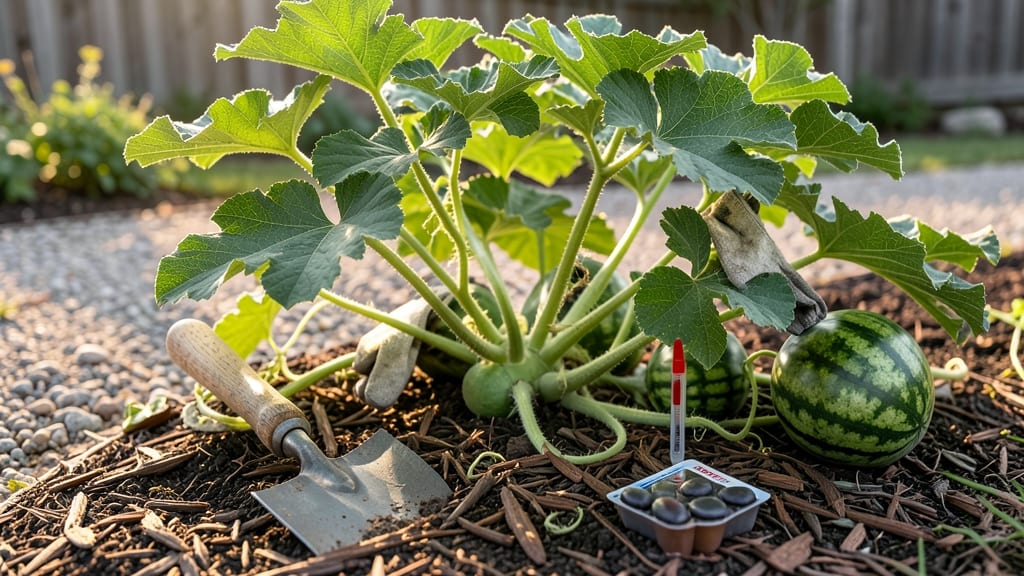
To plant watermelon seeds in Alabama, aim for mid-April to early June after the last frost when soil hits 70°F—any earlier risks frost damage, and delays slow germination in the heat.
Alabama’s long, hot summers are perfect for growing juicy watermelons—but planting too early or late can ruin your harvest. Timing is everything when it comes to maximizing yield and avoiding frost damage.
Most gardeners in USDA zones 7b-8b swear by waiting until May 1 for direct seeding, but early starters use black plastic mulch to warm the soil faster. The key is balancing frost risk with fast germination.
Here’s how to pick the best window for your region, adjust for unpredictable weather, and choose varieties that thrive in Alabama’s climate—so you end up with sweet, ripe melons by July.
Alabama’s best planting windows for watermelon seeds by heat zone
Alabama’s climate offers the perfect backdrop for growing watermelons, but getting the timing right is critical. Watermelon seeds need soil temperatures above 75°F (24°C) to germinate properly, and planting too early risks frost damage.
The state’s USDA zones 7b-8b create distinct windows for planting, whether you’re starting seeds indoors or sowing directly outdoors.
For northern Alabama (zone 7b), where last frost dates average around March 15, the safest window for direct sowing is mid-April to early May.
In central and southern Alabama (zone 8a-8b), where frost is rare after February 15, you can start planting as early as late March. However, soil temperature is the true deciding factor—never plant until your soil reaches 70°F+.
Here’s a quick breakdown of your planting windows by zone, including both indoor starts and direct sowing options:
If you’re starting seeds indoors, begin them 4-6 weeks before your area’s last frost date. Use biodegradable pots to avoid transplant shock, and harden off seedlings for 7-10 days before moving them outdoors. Transplant when seedlings are 3-4 inches tall and all frost risk has passed.
For direct sowing outdoors, wait until the soil temperature consistently stays above 75°F (24°C). Use a soil thermometer to check—this is more reliable than air temperature.
In Alabama’s heat, soil can warm up quickly, especially if you use black plastic mulch, which can raise soil temps by 5-10°F.
In zone 7b, where late frosts are common, consider using row covers or planting near a south-facing wall to create a microclimate. For zones 8a-8b, you can even plant a second crop in late June for a fall harvest, though yields may be smaller due to shorter daylight.
Pro tip: Stagger your planting by 2 weeks to extend your harvest window. This ensures you’re not overwhelmed with ripe watermelons all at once and maximizes your yield. For example, in zone 8b, plant one batch in late February and another in early April.
Remember, watermelons are heat-loving plants—they thrive in Alabama’s summer conditions. By aligning your planting with soil temperature and frost-free dates, you’ll set your vines up for success and enjoy a bountiful harvest of juicy, homegrown watermelons by July or August. 🍉
How to adjust planting for Alabama’s unpredictable weather patterns
Alabama’s weather can shift from late frosts in April to scorching heatwaves by June, making watermelon planting a delicate balance. I’ve learned that staggered planting and soil warming tricks can save your harvest when Mother Nature throws curveballs.
The key is flexibility—adjusting your schedule based on real-time conditions rather than a rigid calendar.
First, always check your soil temperature before planting. Watermelon seeds need 75°F+ soil to germinate, and Alabama’s spring soils can fluctuate wildly.
I use a soil thermometer to confirm readiness—waiting an extra week can mean the difference between thriving vines and drowned seedlings. Black plastic mulch is my secret weapon for warming soil faster, especially in cooler microclimates like the Appalachian foothills.
- Use shade cloth (30-50%) during heatwaves above 95°F to protect young seedlings from sunscald. Remove it when temps drop below 90°F.
- Plant in staggered batches every 2 weeks from mid-April to early June to extend your harvest window through September.
- Apply drip irrigation with mulch rings to prevent soil crusting during droughts. Watermelons need 1-2 inches of water weekly, but Alabama’s summer droughts can dry soil faster.
- Monitor local frost alerts and have row covers ready for late April/early May surprises. A single 28°F night can kill young plants.
- Choose heat-tolerant varieties like Crimson Sweet or Sugar Baby—they recover better from sudden heat stress than delicate heirlooms.
For late frosts, I’ve had success with row covers or even moving potted seedlings indoors under grow lights until danger passes. My North Alabama garden gets hit harder with late frosts, so I plant my first batch in containers that I can protect or move.
If you’re in South Alabama, focus on shade solutions instead—those 100°F+ days can scorch seedlings in days.
Watering strategies make all the difference in Alabama’s unpredictable rainfall. I switch to drip irrigation as soon as seedlings emerge to avoid wetting leaves, which spreads powdery mildew during our humid summers.
Always water deeply in the morning—this prevents fungal issues and ensures roots grow downward where they’ll find moisture during droughts. A 2-inch layer of mulch keeps soil moist and cool, which is critical when temps hit 95°F+.
Don’t forget about microclimates—your neighbor’s perfect planting schedule might fail in your shady backyard or windy hilltop. I’ve seen watermelon vines thrive in full sun but struggle just 10 feet away where trees block afternoon light.
If your space is limited, consider vertical trellising for compact varieties like Sugar Baby, which saves space and makes harvesting easier.
Finally, keep an eye on the Alabama Extension Service’s weather updates. Their frost forecasts and heat advisories are gold for adjusting your planting timeline.
Last year, I avoided a total loss by delaying my second planting batch after their heatwave warning—my watermelons matured perfectly in September instead of wilting in August. Flexibility is your best tool when Alabama’s weather refuses to cooperate.