
Plants
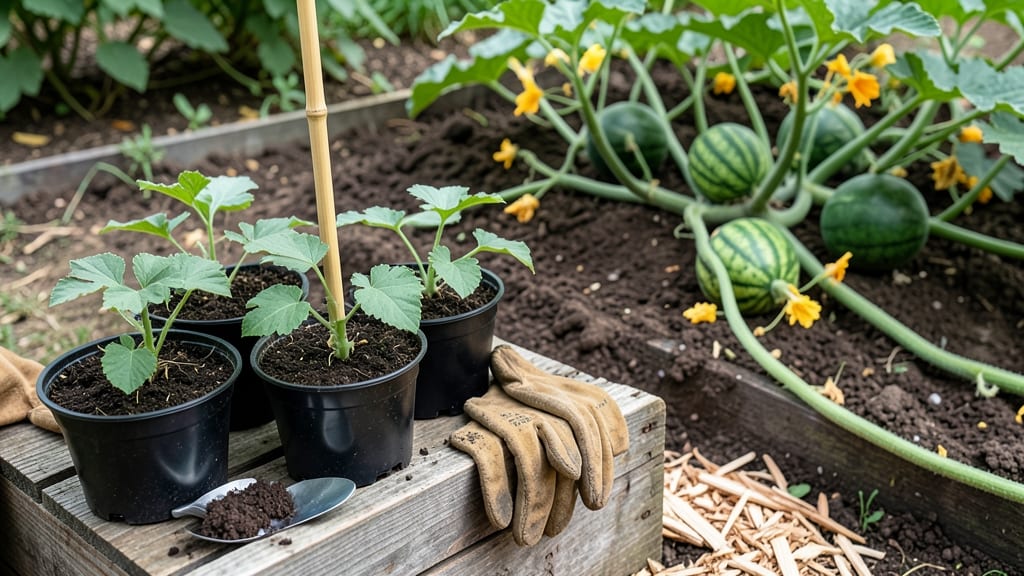
Planting watermelon seeds in Georgia after the last frost—typically mid-April to early June—sets the stage for a sweet, bountiful harvest before summer heat peaks.
Georgia’s hot summers and long growing season make it a prime spot for juicy, homegrown watermelons—but planting too early or late can ruin your harvest. Timing is everything, and getting it right means the difference between vine-heavy disappointment and a bounty of ripe fruit.
Soil temperature is the key: watermelon seeds need at least 70°F to germinate, so waiting until late April or early May ensures strong starts. In 7b-8b zones, frost risk fades by then, but coastal areas can plant slightly earlier.
Below, I break down the exact frost-free windows by region, soil prep tips to speed germination, and how to stretch your season for a second harvest—so you can enjoy homegrown watermelon from July through September.
Georgia’s frost-free planting windows for watermelon seeds (with heat Zone map)
Georgia’s diverse climate—from the humid coastal plains to the cooler Appalachian foothills—means watermelon planting dates vary dramatically across regions. While mid-April to early June is ideal for most areas, your exact last frost date and soil temperature are the real game-changers.
Plant too soon, and frost will kill tender seedlings; too late, and your vines may struggle to mature before summer’s brutal heat peaks.
For successful watermelon germination, soil must reach at least 70°F (21°C). In Georgia’s USDA Zones 7b-8b, this typically aligns with late April in the coastal plain but may wait until early May in the mountains.
Understanding your heat zone ensures you maximize the 120-140 frost-free days watermelons need to thrive.
Pro Tip: Use a soil thermometer to confirm readiness—cold soil delays germination by weeks. If your soil isn’t warm enough by mid-May, consider black plastic mulch or row covers to warm the ground faster.
In coastal Georgia, where frost arrives last, you can start watermelon seeds indoors as early as late February using grow lights. Transplant seedlings outdoors by mid-April once nighttime temps stay above 55°F (13°C).
This head start gives vines a 3-4 week advantage over direct-sown seeds, crucial for beating summer’s heat.
For Piedmont gardeners, aim to plant by May 1st to ensure vines mature before July’s 90°F+ (32°C+) temperatures. Use drip irrigation to prevent blossom drop during heatwaves. In mountain regions, delay until after May 15th—soil warms slower at higher elevations, and late frosts linger until early April.
Variety Matters: In cooler zones, choose ‘Sugar Baby’ (65 days) or ‘Crimson Sweet’ (80 days) over longer-maturing types like ‘Charleston Gray.’ Shorter seasons demand faster germination and fruit set. Always check seed packets for days to maturity and adjust planting dates accordingly.
After sowing, mulch heavily with straw or black plastic to retain moisture and speed soil warming. Watermelons are heavy feeders, so side-dress with compost or 10-10-10 fertilizer when vines reach 12 inches tall. Avoid over-fertilizing nitrogen—it boosts foliage but reduces fruit production.
Watch for powdery mildew in humid coastal areas by spacing plants 3–4 feet apart for airflow. In drought-prone Piedmont, deep watering 2–3 times weekly prevents cracked fruit. Harvest begins in late July for coastal plantings and stretches to early September in the mountains.
Missed the spring window? Don’t despair—late June plantings can still yield fruit in Georgia’s warmest zones, though yields may shrink. Use shade cloth to protect seedlings from intense afternoon sun until they establish roots.
5 Critical factors that determine your watermelon planting success in Georgia
Planting watermelons in Georgia isn’t just about avoiding frost—it’s about understanding how daylight hours, humidity levels, and soil conditions interact to shape your harvest. Georgia’s USDA Zones 7b-8b offer long growing seasons, but microclimates create big differences between coastal warmth and mountain coolness.
For example, ‘Sugar Baby’ thrives in humid Piedmont air, while ‘Crimson Sweet’ handles drier mountain soils better.
Beyond timing, soil pH between 6.0–6.8 is non-negotiable—too acidic or alkaline, and your plants struggle to absorb nutrients. Meanwhile, Georgia’s summer humidity (often 60–80%) can turn your garden into a fungal hotspot if you don’t space vines properly.
Let’s break down these five critical factors that separate a thriving patch from a failed experiment.
🌱 Key Factors for Georgia Watermelon Success
- 1. Daylight Hours: Georgia’s 14+ hours of daylight in summer speeds up growth but requires 8–10 hours of direct sun daily. Coastal areas get more light; mountains may need black plastic mulch to warm soil faster.
- 2. Humidity Levels: High humidity (60–80%) in Piedmont increases powdery mildew risk. Use resistant varieties like ‘Black Diamond’ and space vines 6 feet apart for airflow.
- 3. Soil pH (6.0–6.8): Test your soil—Georgia’s clay-heavy soils often need lime (to raise pH) or sulfur (to lower pH). Aim for a 6.0–6.8 range to prevent nutrient lockout.
- 4. Heat Tolerance: ‘Crimson Sweet’ handles 90°F+ heat better than ‘Sugar Baby’. For mountains, choose shorter-season varieties like ‘Tastyew’ (70 days to harvest).
- 5. Microclimate Adjustments: Coastal Georgia? Plant 1–2 weeks earlier. Mountains? Wait until soil hits 75°F and use row covers for extra warmth.
Your soil pH isn’t just a number—it’s the foundation for nutrient uptake. Georgia’s clay soils in the Piedmont often test too acidic, starving plants of phosphorus, which is critical for flowering. I’ve seen watermelon vines with yellowing leaves because the soil pH was off by just 0.5 points.
Use a soil test kit (available at local extension offices) and amend with pelletized lime if needed.
Don’t overlook humidity’s sneaky downsides. In Zone 8a (coastal Georgia), morning dew and high humidity create the perfect storm for fungal diseases. I once lost an entire patch of ‘Charleston Gray’ to powdery mildew because I ignored the 6-foot spacing rule.
The fix? Dwarf varieties like ‘Mini Melons’ and copper fungicide sprays every 10 days during peak humidity (June–July).
Finally, heat tolerance separates the winners from the also-rans. ‘Crimson Sweet’ can handle Georgia’s 100°F+ afternoons, but ‘Sugar Baby’ may bolt or produce bitter fruit under stress. For mountain regions (Zone 7b), opt for ‘Tastyew’—it matures in 70 days and tolerates cooler nights better than most.
Adjusting for Georgia’s microclimates is where most gardeners stumble. Coastal areas like Savannah can plant 2 weeks earlier than Atlanta’s Piedmont, while Blue Ridge Mountains may need black plastic mulch to warm soil faster.
Always check your last frost date (mid-March to early April) and add 4–6 weeks to estimate your first harvest window.