
Plants
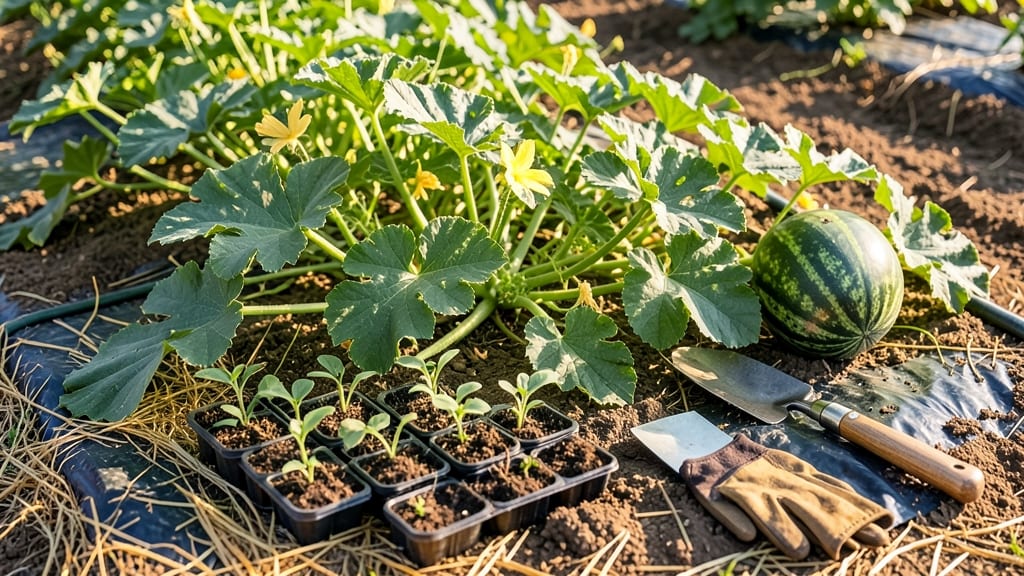
Plant watermelons in Georgia between mid-April and early June after the last frost, when soil temperatures hit at least 70°F for the best start.
Get it wrong, and you’ll either wait months for vines to warm up or watch seedlings crisp in a late frost. I’ve seen both happen—even in 7b-8b zones where the weather seems forgiving.
This guide breaks down the exact frost-free timeline by region, soil temp checks, and whether to start seeds indoors or sow directly. Spoiler: skipping the soil test is the fastest way to a failed harvest.
You’ll learn how to stretch your season with early vs. late varieties, spot the three signs your melons are ready to pick, and avoid the top five mistakes Georgia gardeners make every year.
Georgia watermelon planting timeline by hardiness Zone (best frost-free dates)
Georgia’s 7b and 8a hardiness zones offer perfect conditions for growing juicy watermelons, but timing your planting correctly is key to avoiding frost damage and maximizing your harvest.
In these zones, last frost dates typically range from mid-March to early April, but soil temperature plays an even bigger role than calendar dates.
Watermelon seeds won’t germinate until soil reaches at least 70°F (21°C). If you plant too early, your seedlings may rot in cold soil. Conversely, planting too late can shorten your growing season, reducing yields.
The ideal window balances warm soil with plenty of frost-free days (around 210-240 days) for full maturity.
Direct sowing outdoors is the preferred method for Georgia gardeners, but you can also start seeds indoors 2-3 weeks before the last frost if you’re using compact varieties. Transplanting seedlings too early can stunt growth, while waiting until soil is warm ensures vigorous vines and bigger fruit.
| Zone | Last Frost Date | Ideal Planting Window | Soil Temp Requirement | Transplanting Tip |
|---|---|---|---|---|
| 7b | Mid-March to early April | Mid-April to early May | 70°F+ (21°C+) | Wait until night temps stay above 55°F (13°C) |
| 8a | Early to mid-March | Late March to early June | 70°F+ (21°C+) | Can plant earlier for late varieties |
| Both Zones | N/A | June (for late-season varieties) | 70°F+ (21°C+) | Use heat-tolerant varieties like 'Sugar Baby' |
For Zone 7b, aim to plant watermelons between mid-April and early May. This gives vines enough time to establish before summer heat peaks.
In Zone 8a, you have more flexibility—planting as early as late March is possible if soil is warm, but most gardeners wait until April for consistent results.
If you’re growing heirloom varieties with longer maturity dates (like 'Moon and Stars'), start seeds in early April and transplant after the last frost. For faster-maturing varieties (such as 'Sugar Baby' or 'Crimson Sweet'), you can even plant a second crop in early June for a late-summer harvest.
Always check your local Almanac frost dates, as microclimates can vary by just a few miles. Urban areas may stay cooler longer than rural spots, while south-facing gardens warm up faster. Use a soil thermometer to confirm readiness—don’t rely on air temperature alone.
Once planted, watermelons need 6-10 hours of full sun daily and consistent moisture. Mulch heavily to retain soil warmth and prevent weeds, which compete for nutrients. Thin seedlings to 12-18 inches apart to give vines room to sprawl—crowded plants produce smaller fruit.
Harvest time in Georgia typically falls between July and September, depending on your planting date. Look for deep creamy rinds, a hollow sound when tapped, and a dried tendril near the stem.
Early varieties may ripen as soon as 60 days, while heirlooms can take up to 90 days.
Pro tip: In Zone 8a, you can sometimes get a second harvest by planting heat-tolerant varieties in early June. Just ensure they receive adequate water during Georgia’s intense summer heat to prevent bitter fruit.
How to extend your Georgia watermelon season (early vs late varieties)
Georgia’s long growing season lets you grow watermelons in both spring and summer, but choosing the right varieties and planting strategies is key. Early varieties like 'Sugar Baby' mature in 70-75 days, while heat-tolerant types like 'Crimson Sweet' thrive in 85-90°F temperatures.
The trick? Stagger your plantings to avoid overlapping harvests and extend your season.
For early harvests, start seeds indoors 4-6 weeks before your last frost date (typically mid-March in most of Georgia). Transplant seedlings outdoors when soil reaches 70°F—usually by mid-April.
This gives you a July harvest before summer heat peaks. For late-season watermelons, direct-sow seeds in late May or early June to avoid bolting from heat stress.
Early Varieties (70-75 Days)
Pros:
- Faster harvest
- Escape early heat
- Good for short seasons
Cons:
- Smaller fruit
- Limited heat tolerance
- Shorter window
Late Varieties (85-90 Days)
Pros:
- Larger fruit
- Heat-resistant
- Longer harvest window
Cons:
- Requires warmer soil
- Longer time to maturity
- Risk of heat stress
To protect seedlings from late frosts (which can kill young plants), use row covers or black plastic mulch to warm the soil. For summer heatwaves, provide shade cloth during peak afternoon sun (12–3 PM) to prevent bolting (premature flowering).
Mulch heavily with straw or grass clippings to retain moisture and cool roots.
Succession planting works wonders in Georgia. After your first harvest in July, sow a second batch of heat-tolerant seeds (like 'Charleston Gray') in early June. This ensures a second harvest in late August or September, just before cooler weather arrives.
Space vines 3–4 feet apart to prevent competition and improve airflow, reducing disease risk.
For container growing, choose bush varieties like 'Crimson Sweet' and plant in 5-gallon pots with well-draining soil. Keep containers in full sun and water deeply daily during summer. This method lets you grow watermelons on patios or balconies, extending your season even in small spaces.
Monitor your plants for powdery mildew or cucumber beetles, common pests in Georgia’s humid summers. Apply neem oil or insecticidal soap at the first sign of trouble.
With the right varieties and protection strategies, you can enjoy fresh watermelons from July through September—or even longer with careful planning! 🍉