
Plants
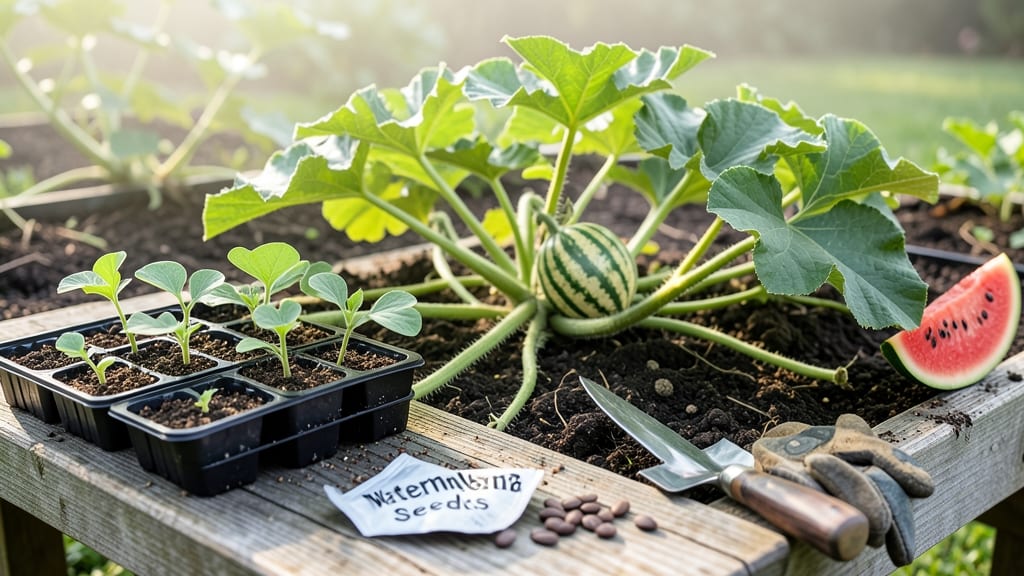
To plant watermelon successfully, time it after your last frost when soil hits 70°F (21°C)—a rule that saves you from frost-killed vines and slow starts.
Picture this: you’ve waited all season, and those first 🍉 watermelons are finally ripening—just in time for summer picnics. But miss the planting window, and you’re left with leggy vines or no fruit at all.
The difference between a harvest and a bust often comes down to when you put those seeds in the ground.
In cooler zones like 6a, that means waiting until late May or early June, while warmer climates can start as early as April. Soil temperature matters more than the calendar, and I’ll show you how to check it without fancy tools.
From extending your season with black plastic to picking the right variety for short summers, this guide gives you the exact timeline—and tricks—to get watermelons fast, every time.
Optimal planting dates by USDA hardiness Zones for watermelon success
Watermelons thrive in warm soil and long summer days, but planting them at the wrong time can lead to slow germination, stunted vines, or even frost damage.
The key to success lies in understanding your USDA hardiness zone, calculating your last frost date, and ensuring your soil reaches 70°F+ before sowing seeds. In cooler zones, this might mean starting indoors, while warmer climates can plant directly after the spring equinox.
For most gardeners, the ideal planting window falls between late spring and early summer—typically 2–4 weeks after your last frost date. However, this varies dramatically depending on whether you're in Zone 7b (hot summers), Zone 5a (short seasons), or somewhere in between.
Let’s break down the best times for direct sowing vs. transplanting across key regions.
| USDA Zone | Last Frost Date | Optimal Planting Window | Soil Temp Requirement | Notes |
|---|---|---|---|---|
| Zones 9–11 (Hot Climates) | Feb–Mar | Late Feb–April (direct sow) | 70°F+ (always) | Long season; plant early for fall harvests. Use shade cloth in peak summer. |
| Zones 7–8 (Moderate) | Mar–Apr | Mid-Apr–May 15 (direct sow) | 70°F+ (wait for warmth) | Start seeds indoors 3–4 weeks before last frost for earlier harvests. |
| Zones 5–6 (Cool) | Apr–May | Late May–June 10 (direct sow or transplant) | 70°F+ (use black plastic to warm soil) | Short season; choose fast-maturing varieties like 'Sugar Baby' (58 days). |
| Zones 3–4 (Very Short) | May–June | June 1–July 1 (transplant only) | 70°F+ (greenhouse recommended) | Extreme risk; try container growing or cold frames for early starts. |
In Zones 9–11, where frost is rare, you can plant watermelon seeds as early as late February for a spring harvest or July–August for a fall crop. The key here is to avoid peak summer heat, which can stress vines and reduce fruit quality.
If you live in Arizona or Southern California, consider using shade cloth during June–July to protect young plants.
For Zones 7–8, like Texas, Tennessee, or Virginia, aim to plant seeds 2–4 weeks after your last frost date, typically between mid-April and mid-May.
Use a soil thermometer to confirm the ground has warmed to 70°F+—watermelon seeds won’t germinate below 60°F, and slow starts lead to weak vines. In these zones, you can also transplant seedlings started indoors for a 2-week head start.
Gardeners in Zones 5–6, such as Colorado, upstate New York, or the Pacific Northwest, face a shorter growing season. Plant seeds directly in the ground only after Memorial Day (around late May–early June) and use black plastic mulch to raise soil temperatures 5–10°F faster.
If your area has unpredictable late frosts, opt for fast-maturing varieties like 'Black Diamond' (68 days) or 'Crimson Sweet' (70 days) to ensure harvests before fall.
In the shortest seasons (Zones 3–4), like Minnesota, Maine, or Montana, watermelons are a gamble unless you take drastic measures. Start seeds indoors in April and transplant hardened-off seedlings after June 1, using row covers or cold frames to extend the season.
For container growing, choose bush varieties like 'Tiny Tim' (45 days) and place pots in full sun near a south-facing wall to absorb heat.
One common mistake is planting too early, hoping for a longer season. Cold soil delays germination by weeks, and seedlings left in chilly ground become leggy and weak. Always prioritize
How to adjust planting time for faster germination and early harvests
Watermelons thrive when planted at the right time, but cooler climates or short growing seasons can delay your harvest. The key to beating these challenges lies in soil warming techniques and strategic timing adjustments.
By using methods like black plastic mulch or cloches, you can trick your plants into thinking summer arrived early—giving you a head start on those sweet, ripe melons before fall sets in.
Even in Zone 5 or colder, where summers are brief, you can still enjoy homegrown watermelons by starting seeds indoors or using transplanting tricks. The goal is to ensure your vines have 70–90 days of warm weather to mature, so every extra day counts.
Let’s break down the proven techniques to maximize your chances of success, no matter where you garden.
🌱 5 Proven Techniques for Faster Watermelon Germination
- 1. Use black plastic mulch: Spread it 2–3 weeks before planting to warm soil to 70°F+. This speeds germination by 3–5 days.
- 2. Soak seeds overnight: Place seeds in warm water for 8–12 hours before planting to jumpstart sprouting.
- 3. Start indoors in peat pots: Begin seeds 3–4 weeks before last frost in a warm, sunny spot. Transplant after soil warms.
- 4. Install row covers or cloches: Protect seedlings from cool nights while letting soil absorb daytime heat.
- 5. Choose fast-maturing varieties: Opt for 60–70 day varieties like 'Sugar Baby' or 'Early Red' for cooler zones.
For gardeners in Zones 6–9, where summers are longer, focus on soil preparation and early planting. Work in compost and aged manure 2–3 weeks before planting to boost soil warmth naturally.
A simple trick is to plant watermelons near corn or beans, which shade the soil during the day and radiate warmth at night.
If you’re in a cooler microclimate, like a high-elevation garden, consider using low tunnels or greenhouse beds to extend the season. These create a 5–10°F warmer environment, allowing you to plant watermelons 2–3 weeks earlier than your zone’s average.
Just remove the cover once vines are established to prevent overheating.
Transplanting seedlings is another game-changer, especially if your spring is slow to warm. Harden off seedlings for 5–7 days before moving them outdoors, and plant them deeper than the seedling pot—this encourages stronger root growth.
Water deeply after transplanting to reduce shock, and mulch with straw to retain moisture and warmth.
Finally, monitor soil temperature with a thermometer—watermelon seeds won’t germinate below 70°F. If your soil is still cool, hold off planting and use the extra time to prep beds or start a second batch of seeds indoors.
With these adjustments, you’ll be slicing into homegrown watermelons weeks ahead of schedule—just in time for summer’s peak! 🍉