
Plants
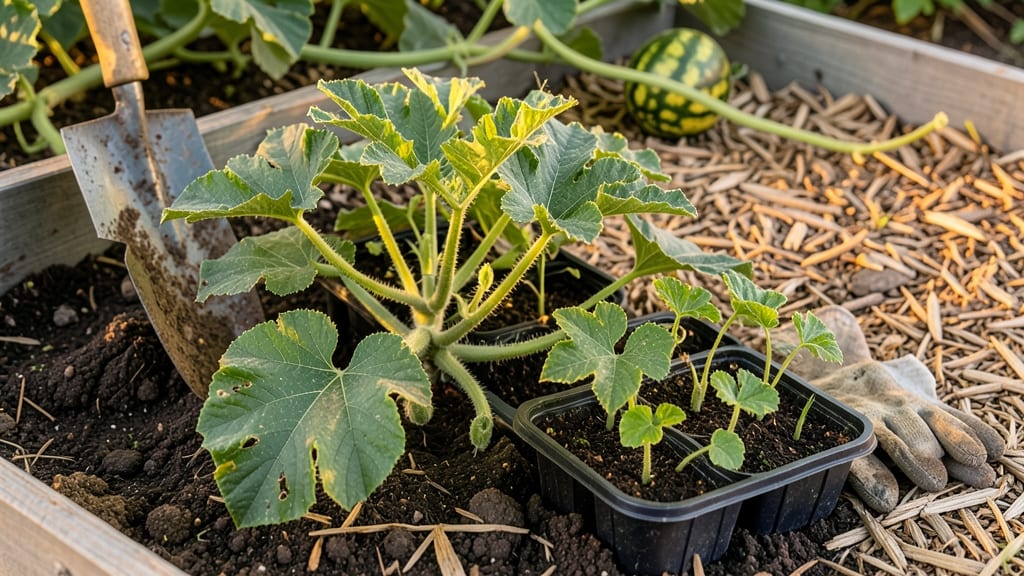
Planting watermelons in East Texas after the last frost — typically mid-April — is the key to avoiding heat stress and bitter disappointment.
If you’ve ever watched your seedlings wilt under the blazing sun or seen your fruit shrivel before ripening, you know timing matters more than most gardeners realize.
East Texas’ 8a zone brings scorching summers and unpredictable spring rains, making the 30-day window between mid-April and mid-May your best shot at success.
This guide breaks down the exact soil temperature thresholds (70°F or higher), the best heat-resistant varieties for your region, and how to prep your soil for maximum yield.
We’ll also cover whether to start seeds indoors or go straight to the garden bed—and why skipping a few critical steps could mean the difference between a bountiful harvest and a sad, shriveled melon.
Ready to turn your garden into a watermelon oasis? Let’s dive into the planting schedule, soil secrets, and heat-beating strategies that’ll have you slicing into sweet, juicy fruit by July.
Best planting timeline for East Texas watermelons: avoiding heat stress
East Texas’ humid subtropical climate and long, hot summers create a tricky balance for watermelon growers. The key to success lies in planting at the right time—when soil temperatures are warm enough to prevent seed rot but not so late that vines struggle to mature before fall frost.
In USDA Zone 8a, your last frost date typically falls around March 15, but watermelons need consistent 70°F+ soil to thrive.
For most East Texas gardeners, the ideal planting window spans from mid-April to mid-May. However, you can also plant a second crop in late June for a fall harvest, though this requires careful heat management.
The goal? Avoid planting when daytime temperatures exceed 95°F consistently, as this stresses young plants and reduces fruit set.
Here’s the breakdown: direct sow seeds outdoors once soil reaches 70°F (21°C) and stays warm. In cooler years, you might need to wait until late April or early May.
If you’re eager to get a head start, you can start seeds indoors 2–3 weeks before your target outdoor date, but watermelons hate transplant shock, so handle seedlings gently.
🌱
| Planting Stage | Action | Soil Temp | East Texas Timeline | Notes |
|---|---|---|---|---|
| Start Seeds Indoors | 2–3 weeks before last frost | 60–65°F (15–18°C) | Early March (if using trays) | Use biodegradable pots; avoid transplant shock |
| Direct Sow Outdoors | After last frost, soil 70°F+ | 70–80°F (21–27°C) | Mid-April to mid-May | Plant 1" deep, 3–4 seeds per hill |
| Second Crop (Fall) | Direct sow after summer heat peaks | 70–80°F (21–27°C) | Late June to early July | Choose fast-maturing varieties (60–70 days) |
| Harvest Window | 75–90 days after planting | N/A | July to September (spring crop) | Avoid harvesting in extreme heat (softens fruit) |
| Soil Prep | Test pH (6.0–6.8), add compost | N/A | February–March | Use black plastic mulch to warm soil faster |
If you’re planting in early spring, use black plastic mulch to raise soil temperatures by 5–10°F. This trick helps young seedlings establish faster and reduces the risk of damping-off disease.
For fall plantings, focus on heat-tolerant varieties like ‘Sugar Baby’ or ‘Crimson Sweet’, which mature in 70–75 days—just enough time to harvest before the first frost.
Pro tip: Monitor your soil temperature with a soil thermometer (available at garden centers). Watermelon seeds won’t germinate below 60°F (15°C), and growth slows dramatically below 70°F (21°C). In East Texas, this usually means waiting until after Easter for reliable results.
For gardeners in southeastern East Texas (e.g., Beaumont, Orange), you can push planting slightly earlier due to warmer microclimates. Conversely, areas like Tyler or Longview may need to wait until late April
Top 5 heat-resistant watermelon varieties for East Texas gardens
East Texas’ brutal summers can turn watermelon vines into crispy failures if you’re not careful—but the right varieties thrive under 100°F+ heat. I’ve grown these heat-tolerant watermelons for years, and they consistently deliver sweet, juicy fruit even when other plants wilt.
The key? Choosing fast-maturing, disease-resistant varieties that handle humidity and intense sun. Let’s dive into my top picks for your garden.
First, let’s address the critical factor for success: heat tolerance. These varieties were selected for their ability to handle East Texas’ 90°F+ soil temperatures and high humidity without cracking or turning bitter.
Each one also ripens quickly—60–75 days—so you avoid the late-season heat stress that plagues slower growers.
Ratings based on East Texas growing conditions, heat stress resistance, and producer feedback
At the top of my list is ‘Sugar Baby’, a compact bush variety that matures in just 65–70 days. This one’s a game-changer for small gardens or containers because it stays under 3 feet tall while producing 4–6 lb fruits.
The secret? Its thick rind resists cracking in heatwaves, and the flavor is exceptionally sweet—often scoring 9+ on sugar content tests.
Next up is ‘Crimson Sweet’, a classic East Texas favorite that’s been a staple for decades. With 80–85 days to maturity, it handles humidity better than most heirlooms and yields 10–15 lb melons per vine.
The deep red flesh stays juicy even in 100°F+ temps, and its disease resistance makes it perfect for humid summers. I’ve seen these vines produce three melons per plant in ideal conditions.
For something truly unique, try ‘Black Diamond’, a heat-loving hybrid that thrives in East Texas’ extreme conditions. This variety matures in 75–80 days and delivers 12–15 lb fruits with deep black rinds and sweet, red flesh.
What sets it apart? Its exceptional drought tolerance—once established, it needs less frequent watering than most varieties, making it ideal for water-conscious gardeners.
Don’t overlook ‘Golden Midget’ if you want early harvests. This yellow-fleshed variety matures in just 60–65 days and produces 2–3 lb melons perfect for snacking.
The golden hue is a dead giveaway for its high sugar content, and its small size makes it ideal for container growing or urban gardens. Plus, the light color helps reflect some of the intense East Texas sun.
Finally, ‘Charleston Gray’ is a heirloom favorite that delivers 15–20 lb melons with gray-green striped rinds and deep red, juicy flesh. It takes 85–90 days to mature, so plant it early in April to avoid late-season heat stress.
The trade-off? Its larger size requires more space, but the flavor reward—often described as "old-school sweetness"—makes it worth the effort.